
REVIEW · ISTANBUL OLD CITY WALKING TOURS
Fener and Balat – Old Greek & Jewish Quarter
Colorful steps and quiet courtyards steal the afternoon. This small-group walk through Fener and Balat takes you past Ottoman-era homes and the old minority neighborhoods, then toward the Golden Horn for views, plus a Pierre Loti café break.
What I like most is how the tour turns streets into stories, and how the guide shares practical public transport know-how so you can keep moving through Istanbul after the walk. One consideration: plan for hills, narrow lanes, and a good amount of walking, so comfy shoes matter more than staying photo-ready.
In This Review
- Key points at a glance
- Fener and Balat in one afternoon, far from the tourist funnel
- The 3-hour route: Fener, Balat, Halic, and a Pierre Loti pause
- Stop 1, Fener Rum Patrikhanesi: where Greek heritage starts to make sense
- Balat streets: Ottoman houses and centuries of shared neighborhood life
- A practical photo tip
- Halic and the Golden Horn: the waterline that links the whole city
- Bulgarian Orthodox Church: another minority landmark in the same story
- Pierre Loti café: tea with a view, not just another tourist stop
- An extra way to travel smarter
- Guides and pacing: why the best part is how you’re led
- Accessibility reality check
- Price and value: what $60.34 buys you in the real world
- Who this tour fits best, and who may want another plan
- Should you book Fener and Balat?
- FAQ
- How long is the Fener and Balat tour?
- What time does the tour start?
- What are the main stops on the route?
- Is this a small group?
- What language is the tour offered in?
- How does ticketing work?
- Is free cancellation available?
Key points at a glance
- Max 10 travelers keeps things calm and easy to ask questions
- Fener Rum Patrikhanesi opens the door to Greek heritage in Istanbul
- Balat streets and Ottoman houses deliver colorful, lived-in details
- Golden Horn time on foot and by water connects neighborhoods to big historical events
- Pierre Loti café stop adds a scenic tea break with Bosphorus views
- Public transport guidance helps you get oriented fast for the rest of your trip
The old city on foot, route by route
- Istanbul: Private Turkish Bath, Massage, and Spa in Old City★ 4.6 · 3,225 reviews
- Bosphorus Yacht Cruise Experience: Visit the Asian Side★ 5.0 · 2,251 reviews
- Istanbul Party Pub Crawl with Party Bus in Sultanahmet and Taksim★ 5.0 · 1,882 reviews
- Private Transfer from Istanbul Airport to Fatih, Beyoglu and Besiktas★ 5.0 · 1,793 reviews
Fener and Balat in one afternoon, far from the tourist funnel
Istanbul can feel like two cities at once. One is made for first-timers, with packed sights and quick photos. The other is the day-to-day Istanbul you notice only when you step into the residential districts.
This tour is built for that second city. You leave the main tourist precincts behind and spend an afternoon in the historic western area near the old city walls, in neighborhoods tied to Greek and Jewish heritage, and long shared by multiple communities. It is the kind of walking route that helps you understand how the city grew, changed, and stayed complicated.
You also get a guide who works like a local translator. Not just translating words, but translating what you are seeing: house styles, street patterns, and how history shows up in everyday life.
The 3-hour route: Fener, Balat, Halic, and a Pierre Loti pause
The tour runs about 3 hours, starting at 2:00 pm and ending back at the meeting point. It is designed as an afternoon walk, not a rushed checklist, and it uses several forms of public transport during the day.
You can think of it as three layers:
1) Fener first, to understand the Greek Orthodox presence and architecture.
2) Balat next, for the colorful Ottoman-era housing and the feel of a neighborhood lived in.
3) Halic and the Golden Horn, then up to Pierre Loti, to connect the streets to wider history and the view.
Along the way, you typically get breaks built around the scenery, including tea and Turkish treats at stops such as Pierre Loti café.
Stop 1, Fener Rum Patrikhanesi: where Greek heritage starts to make sense
The tour begins at Fener Rum Patrikhanesi, an important landmark in Istanbul’s Greek Orthodox story. Even if you do not know much about the area at first, the guide’s context helps you connect the building to the wider neighborhood.
Why this stop matters is simple. It sets the theme: this is not just a photo walk through old streets. You are walking through layers of community life, and Fener is one of the places where that identity is visible from the start.
In practice, it also helps you learn how to look. You start noticing small clues, like how the street feels, where people gather, and how buildings face the road. That skill comes in handy for the rest of the route.
Balat streets: Ottoman houses and centuries of shared neighborhood life
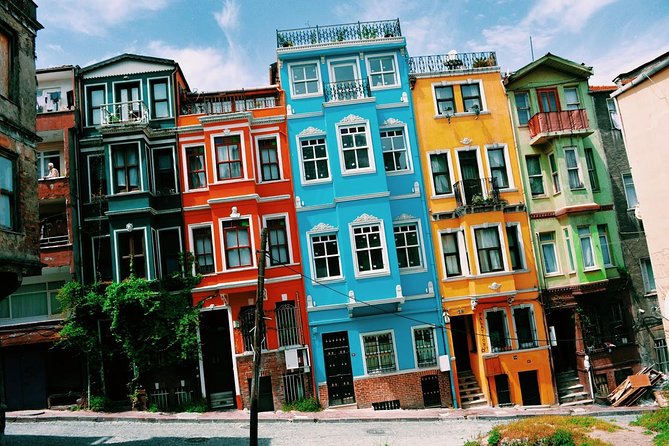
After Fener, the tour moves into Balat, the part of the day most people remember for its colors and character. The route focuses on residential streets and the tucked-away lanes that many visitors never see.
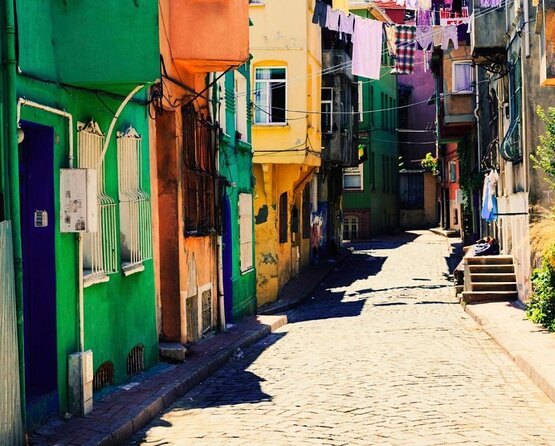
Balat is famous for its visually striking homes, but the real payoff is how the guide ties architecture to history. You get explanations about the Ottoman-era houses by the Golden Horn, and the way Jews, Christians, and Muslims lived side by side for centuries.
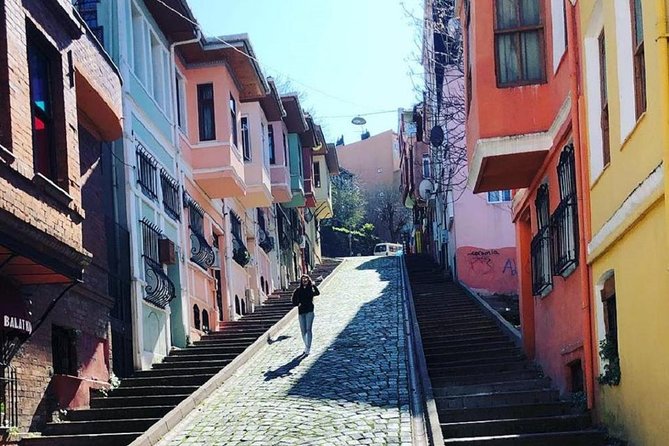
This is where the tour feels most authentic. You are not just seeing a district. You are walking through it, past doors, stairways, and street corners that still serve the neighborhood today.
- Istanbul: Bosphorus Dinner Cruise & Show with Private Table
★ 4.8 · 44,561 reviews - Istanbul: Daytime or Sunset Sightseeing Cruise & Audio Guide
★ 4.8 · 14,430 reviews - Istanbul: Bosphorus Dinner Cruise with Turkish Night Show
★ 4.8 · 10,127 reviews - Best of Istanbul 1, 2 or 3-Day Private Guided Istanbul Tour
★ 5.0 · 8,922 reviews - Istanbul: Basilica Cistern Fast-Track Entry and Audio Guide
★ 4.6 · 7,521 reviews
A practical photo tip
The pace is steady and a bit “on the move.” You can still get great photos, but if you want to linger for every shot at a relaxed rhythm, you might find it moves faster than you would like. Think “good variety,” not “all-day tripod party.”
Halic and the Golden Horn: the waterline that links the whole city
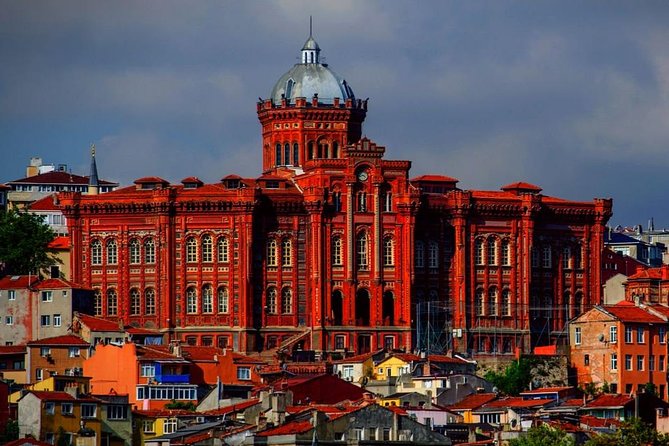
Next comes Halic and time around the Golden Horn. This part shifts the mood from narrow lanes to wider views, where you can feel the city’s scale.
You get a walk-by history lesson connected to major events, including the fall of Constantinople. The guide usually explains why this waterfront mattered, and how the neighborhoods you just walked through connect to the city’s larger story.
Then there is the sensory payoff. You get time near the water, often with a cruise or ferry moment depending on the route flow. One big reason this tour scores so high is that it mixes street-level details with a view that gives you perspective.
If you are the type who likes learning how things fit together, this segment will feel like the moment the neighborhoods become more than pretty streets.
Bulgarian Orthodox Church: another minority landmark in the same story
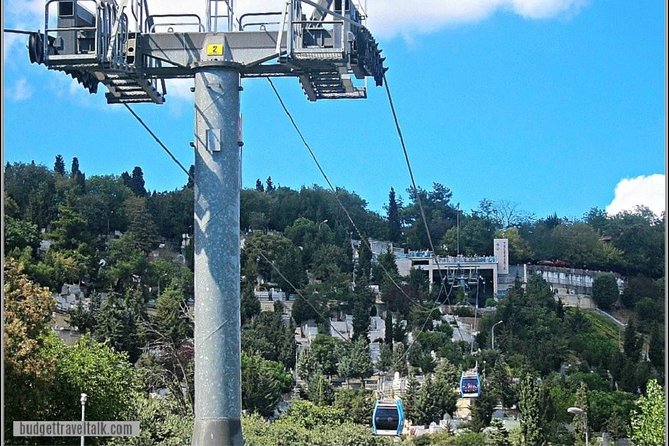
The itinerary also includes the Bulgarian Orthodox Church. This stop keeps the theme consistent: Istanbul’s identity here is not one community or one era. It is overlapping stories across centuries, and you see that through the landmarks tied to minority traditions.
You do not need to already know the religious history to appreciate it. The value is in the connections the guide makes, showing how different groups shaped the neighborhood’s character and how their presence shaped what you see on the streets today.
Also, this kind of stop is a good reset. After Balat’s stairways and lanes, a landmark visit gives you a chance to regroup, hear context, and then keep walking with a clearer picture.
Pierre Loti café: tea with a view, not just another tourist stop
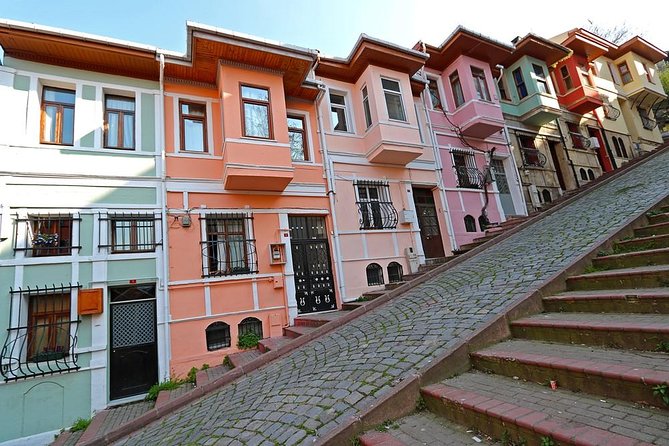
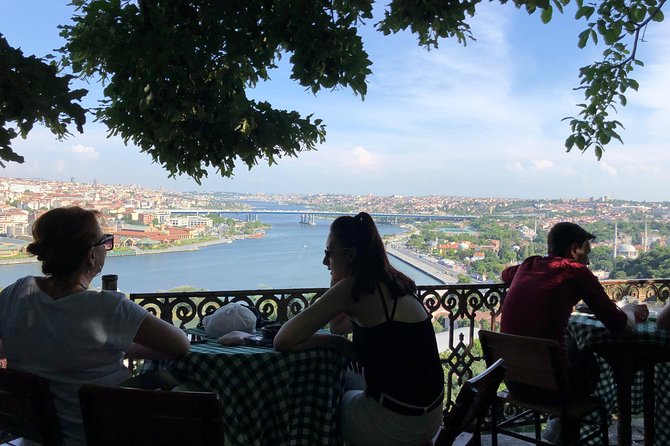
The tour includes Pierre Loti café, with a scenic pause that feels like a reward for all the walking. The best version of this segment is simple: sit with a warm drink, enjoy the view, and let the neighborhood you just toured connect to the bigger Istanbul around it.
You are likely to have tea, and some guides also include Turkish treats. In colder weather, people talk about warm drinks like sahlep and the comfort of that break during a walk that includes hills.
This stop is not only about the drink. It is about making the Golden Horn and Bosphorus views feel real, not abstract.
An extra way to travel smarter
A strong benefit here is the guide’s help with what to do next. Many guides share tips on the best ways to keep touring after the tour ends, including how to use public transport efficiently. That alone can save you a lot of time later.
Guides and pacing: why the best part is how you’re led
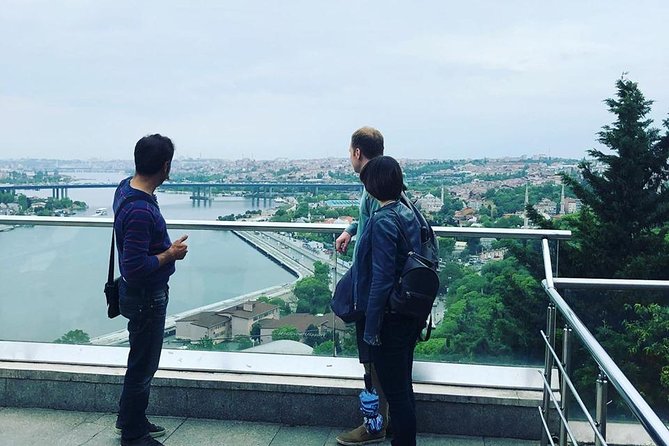
The reviews for this tour show a repeated pattern: the guide is often the difference between seeing a district and truly understanding it. Names that come up include Salih, Omar, Sahli, Önder, Burak, and Barak.
What they seem to do well is storytelling with practical context. You hear the why behind the houses, not just the what. You also get help staying oriented, including getting you back on track if you are hopping between transport options.
The pacing is mostly relaxed, but it does include up and down streets and some steeper sections. One helpful expectation to set: you may rack up around 11,000 steps for the tour time alone. For most travelers, that is doable, but if you are bringing older relatives or anyone with mobility limits, it is worth thinking carefully.
Accessibility reality check
The tour says most travelers can participate, and that is usually true in Istanbul if you are comfortable walking. But the streets can be narrow and steep, so plan for that even if you are “okay with walking” in general.
Price and value: what $60.34 buys you in the real world
At about $60.34 per person for roughly 3 hours, this is not a bargain tour. It is also not priced like a luxury excursion.
Where the value shows up is in the structure:
- Small group size capped at 10, so you are not stuck listening over a crowd
- Guided context focused on Greek and Jewish heritage, Ottoman housing, and Byzantine and Ottoman layers near the old walls
- Transport help, so you learn how to move through the city beyond the tour endpoint
- A real neighborhood experience, with a tea stop rather than just quick external photos
If your goal is to see Istanbul’s major sights with depth, you will still need other tours. But if your goal is to understand the city’s everyday historic neighborhoods, this is one of the more efficient ways to do it.
Also, the tour often books about 38 days in advance, which suggests people tend to plan it early. If you are traveling during peak seasons, I would not wait too long.
Who this tour fits best, and who may want another plan
This tour is ideal if you like:
- Walking tours where the guide helps you interpret what you see
- Neighborhood history that includes multiple communities, not just one famous era
- Public transport tips that make you more independent for the rest of the trip
- Colorful streets, staircases, and small cafés like Pierre Loti
It may be less ideal if you:
- Want a super leisurely pace for photography, with long stops
- Need fully flat routes
- Prefer only major-ticket monuments with minimal walking
If you are traveling with a mix of ages or fitness levels, consider whether everyone can handle steep lanes. You can still do a lot in Istanbul without this, but this specific tour is built around the hills and the neighborhoods.
Should you book Fener and Balat?
If you want Istanbul that feels lived-in, book this. The focus on Fener and Balat, the Golden Horn, and a calm tea break at Pierre Loti creates a solid mix of street texture and big-city perspective. Add in the public transport coaching, and you end up with more than photos. You end up with a better plan for the rest of your Istanbul days.
If you dislike walking hills or you need long photo pauses, it may not feel like your ideal pace. In that case, look for a shorter, flatter option.
Otherwise, this is the kind of afternoon tour that helps Istanbul click into place.
FAQ
How long is the Fener and Balat tour?
It lasts about 3 hours.
What time does the tour start?
It starts at 2:00 pm and ends back at the meeting point.
What are the main stops on the route?
The tour includes Fener Rum Patrikhanesi, Balat, Halic, and the Bulgarian Orthodox Church, plus time around the Golden Horn and a stop at Pierre Loti café.
Is this a small group?
Yes. The group size is capped at a maximum of 10 travelers.
What language is the tour offered in?
It is offered in English.
How does ticketing work?
You use a mobile ticket, and you receive confirmation at booking time.
Is free cancellation available?
Yes. You can cancel for a full refund up to 24 hours before the experience starts. If the tour is canceled due to poor weather, you are offered a different date or a full refund. If it is canceled because the minimum number of travelers is not met, you are offered a different date or a full refund.
Walking the Old City, Other Routes





Recently reviewed in Istanbul


The rest of Istanbul Old City Walking Tours.
 ★ 4.6Istanbul: Private Turkish Bath, Massage, and Spa in Old CityFrom $533,225 reviews
 ★ 4.5Antalya/Kemer: Old City, Waterfalls, Olympos Cable Car, BoatFrom $292,896 reviews
 ★ 5.0Bosphorus Yacht Cruise Experience: Visit the Asian SideFrom $602,251 reviews
 ★ 5.0Istanbul Party Pub Crawl with Party Bus in Sultanahmet and TaksimFrom $311,882 reviews
 ★ 5.0Private Transfer from Istanbul Airport to Fatih, Beyoglu and BesiktasFrom $601,793 reviews
 ★ 4.9Istanbul: Fener Balat Half-day Guided Walking TourFrom $201,711 reviews
 ★ 5.0Bosphorus Yacht Cruise with Stopover on the Asian Side – (Morning or Afternoon)From $481,657 reviews
 ★ 4.5Bosphorus Explorer: 3-Hour Cruise with Asian Side VisitFrom $121,195 reviews
Also filed under