
REVIEW · TOPKAPI PALACE AND THE BASILICA CISTERN
Istanbul: Dolmabahce Palace & Harem Skip-the-Line Entry
Chandeliers here are almost too much. Dolmabahçe Palace and the Harem sit at the heart of Ottoman power in Istanbul, and the skip-the-line e-tickets plus a 25-language audio guide help you explore at your own pace.
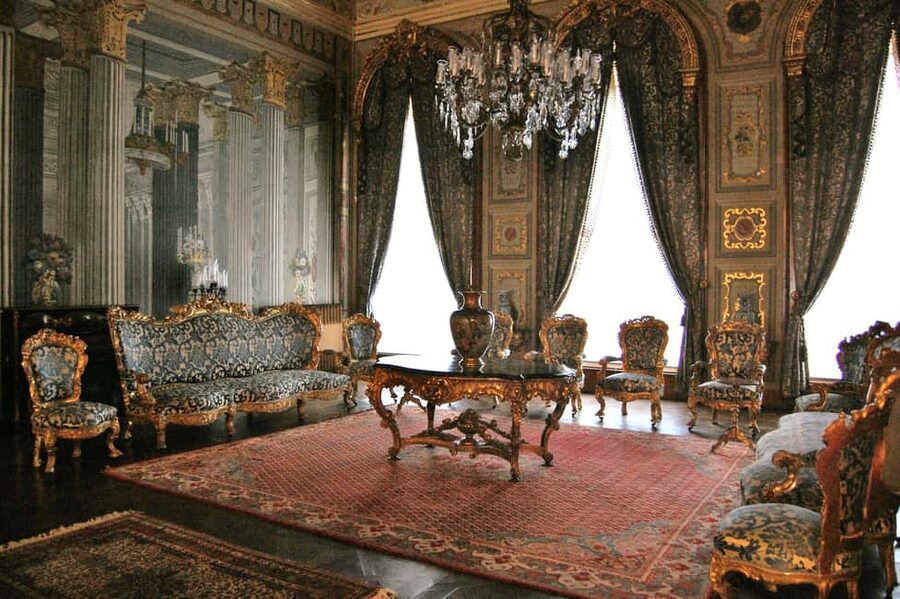
I love the fast entry, and I love what you get in those two hours. You are there for the Ottoman royal scale, especially the Baccarat and Bohemian chandeliers and the gold details that cover the ornate ceilings.
The catch is that this is not a magic wand. You still go through mandatory security checks, and if your QR code needs a desk fix, you could lose some time.
In This Review
- Key things that make this visit worth it
- Dolmabahçe Palace and Harem in a tight 2-hour plan
- Skip-the-line entry, what it really means at Dolmabahçe
- Audio guide in 25 languages, how to use it without losing time
- What you will see inside: chandeliers, gold ceilings, and Ottoman opulence
- Dolmabahçe vs Topkapi, why the comparison matters
- Atatürk’s legacy and what it adds to the atmosphere
- The Harem section: plan for the possibility of changes
- Photos inside: set your expectations before you start
- Timing tips: opening hours, Monday closures, and winter planning
- Price and value: is $55 a good deal for this format?
- Who this experience is best for
- Final call: should you book the skip-the-line Dolmabahçe Palace and Harem entry?
Key things that make this visit worth it

- Skip-the-line access for the Dolmabahçe Palace and Harem section, so you can spend more time inside.
- 25-language audio guide link sent with your tickets, made for self-guided wandering.
- Big Ottoman statement of power, including the palace built under Sultan Abdülmecid I and opened in 1856.
- Chandelier overload (in the best way), including the biggest Bohemian chandelier ever.
- Two-hour format that works when you want the highlights without turning your day into a full museum marathon.
- Plan around Mondays since the palace museum is closed that day.
More Topkapi and Cistern tickets, timed differently
- Istanbul: Basilica Cistern Fast-Track Entry and Audio Guide★ 4.6 · 7,521 reviews
- Istanbul: Topkapi Palace & Harem Museum Ticket & Audio Guide★ 4.1 · 3,977 reviews
- Istanbul: Basilica Cistern Skip-the-Line Entry Ticket★ 4.6 · 2,270 reviews
- Istanbul: Basilica Cistern & Hagia Sophia Combo Ticket★ 4.6 · 1,990 reviews
Dolmabahçe Palace and Harem in a tight 2-hour plan
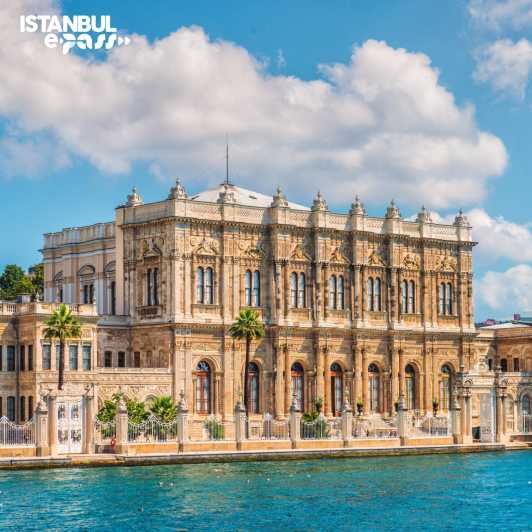
Dolmabahçe Palace is Istanbul’s grand Ottoman showpiece, and the layout is built for visitors to soak in the main rooms without needing a full day. This experience is scheduled for 2 hours, which is long enough to see the major spaces you will care about, like the ceremonial halls and the signature interior details.
You are also visiting the Harem section, which adds a different view of palace life. Even if you focus only on the highlights, it helps you understand that a palace was both a public stage and a private world.
The pacing is the point. With skip-the-line entry and a dedicated audio guide, you can keep moving instead of waiting around. That matters in Istanbul, where lines can form quickly and your “one more sight” plan can fall apart fast.
Skip-the-line entry, what it really means at Dolmabahçe
Here is how this kind of ticket tends to work in real life: you are given entry with a faster lane, but you still have to pass the palace’s own security process. The information is clear that a mandatory security check happens for everyone, and waiting time can still occur during busy hours.
So I treat the skip-the-line as time savings, not zero waiting. You should still plan to arrive with a little cushion, especially if you are visiting around opening time or on a popular weekend.
The other practical wrinkle is the QR code. Your entry access comes as QR codes delivered by separate e-mail, and if the code does not scan smoothly right at the entrance, you may have to stop at an information desk to get it sorted. That is not the most fun scenario, but knowing it ahead of time helps you keep your expectations realistic.
Audio guide in 25 languages, how to use it without losing time
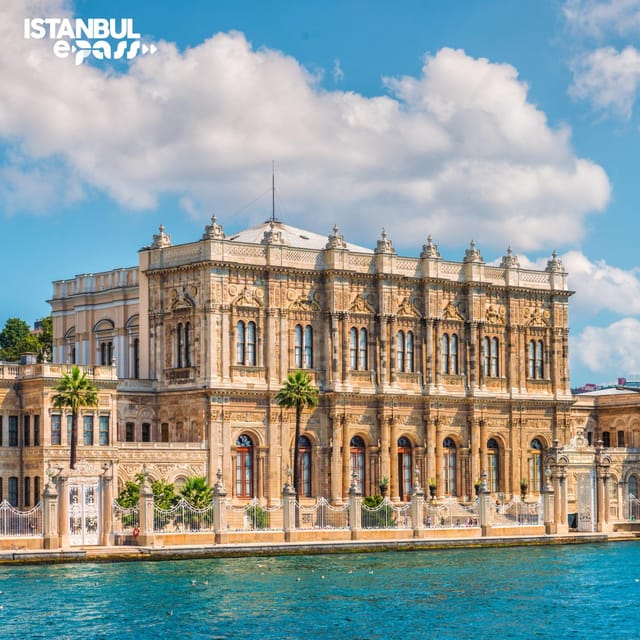
The audio guide is one of the best value parts of this experience, because it turns a palace visit into a story you can control. You get an audio guide prepared in 25 languages, and it is accessed through a link provided with your tickets.
Important detail: the audio guide cannot be obtained at the palace, so you want to have your phone ready before you arrive. I recommend you download or open the audio link ahead of your entry window, then keep your attention on the rooms rather than fighting with Wi-Fi at the gates.
In practice, this audio support helps you notice what you might otherwise miss, especially in a palace like Dolmabahçe where the decorative language is intense. You will hear context about the palace’s architecture and design, and you will get the contrasts with Topkapi, including differences in style and even furniture choices.
What you will see inside: chandeliers, gold ceilings, and Ottoman opulence
If you like interior details, Dolmabahçe Palace is going to feel like a direct hit. The highlights are the kind of things you do not just glance at, you keep looking back at them.
First, the chandeliers. Dolmabahçe is famous for a major collection of Baccarat and Bohemian chandeliers, including the biggest Bohemian chandelier ever. The scale is the shock. They look less like lighting fixtures and more like architecture you can walk under.
Second, the ceiling gold. The palace includes a vast amount of gold throughout the interior, with ornate ceilings that catch the light and make the rooms feel even more theatrical. It is the kind of detail where the audio guide helps, because you can better understand why these rooms were built and how the materials signaled status.
Third, the palace story. You learn the palace was built on the orders of Sultan Abdülmecid I, and it opened in 1856. That time stamp matters because it places Dolmabahçe in the late Ottoman era, when the empire was facing major change.
And since this is the last headquarters of the Ottoman empire, it does not just feel decorative. It carries political weight, especially since the palace was served until 1922.
- Istanbul: Bosphorus Dinner Cruise & Show with Private Table
★ 4.8 · 44,561 reviews - Istanbul: Daytime or Sunset Sightseeing Cruise & Audio Guide
★ 4.8 · 14,430 reviews - Istanbul: Bosphorus Dinner Cruise with Turkish Night Show
★ 4.8 · 10,127 reviews - Best of Istanbul 1, 2 or 3-Day Private Guided Istanbul Tour
★ 5.0 · 8,922 reviews - Istanbul: Basilica Cistern Fast-Track Entry and Audio Guide
★ 4.6 · 7,521 reviews
Dolmabahçe vs Topkapi, why the comparison matters
One of the most useful parts of the audio plan is the built-in comparison with Topkapi Palace. Many people visit Topkapi first, then come to Dolmabahçe expecting a similar vibe. The audio helps you spot what is different beyond the obvious size.
You will hear contrasts such as architectural feel and how the interiors are arranged, including how furniture is used differently. That comparison turns your visit from a checklist into understanding. You start to see Dolmabahçe as a specific political and cultural statement, not just another palace stop.
If you are trying to decide whether you should even bother with Dolmabahçe after seeing Topkapi, this is the answer: you are comparing two different visions of power, shown through design choices.
Atatürk’s legacy and what it adds to the atmosphere
Dolmabahçe is not only Ottoman. The experience also highlights the cherished legacy of Mustafa Kemal Atatürk, Turkey’s founder.
I like including this kind of connection, because it keeps you from treating the palace like a costume set. It is easier to feel the transition from empire to republic when you are given at least a thread of context, instead of only staring at walls and ceilings.
Even if you do not read every sign, the audio guide gives you enough grounding to understand why people still attach meaning to rooms here. It is the difference between seeing a beautiful building and understanding why it matters.
The Harem section: plan for the possibility of changes
The Harem section is included in the entry, which is great because it expands the story beyond formal ceremony rooms. You are essentially stepping into a different side of palace life.
That said, there is one timing reality to accept. The data notes that on at least one occasion during a visit, the Harem was not open. That means your experience can vary based on how the site is running that day.
If the Harem doors are closed when you arrive, do not panic. Your two-hour plan still works for the main Dolmabahçe highlights and the audio-guided story you came for. But it does mean I would not treat the Harem as a guaranteed must-see in every scenario.
Also, a small comfort tip: there is a cafe area right before you reach the Harem-related entrance area, and people mention it as a nice place to refresh, including a frozen drink option for cooling off.
Photos inside: set your expectations before you start
You will want to know this upfront. Inside the palace, pictures are not allowed. That changes the feel of the visit.
Instead of whipping out your camera every minute, you will pay more attention. Use that time for what the audio guide is doing best: helping you track the story and the design details while you are standing in front of them.
If you are the kind of visitor who relies on photos to remember details later, it is worth taking a couple of shots outside where permitted, then letting the interior be an experience you absorb in real time.
Timing tips: opening hours, Monday closures, and winter planning
Dolmabahçe Palace Museum is closed only on Mondays. On every other day, it is open, but hours vary by season.
From November 1 to March 31, opening hours are approximately 9:00 AM to 4:00 PM. This matters because a two-hour visit can feel like a sprint if you arrive late, and the palace is not a place where you want to rush the chandeliers.
My practical advice: if you are in Istanbul during winter, plan to be there earlier in the day. You will get more relaxed pacing, and you are more likely to catch the visit in calmer conditions before the heaviest waves of crowds.
Price and value: is $55 a good deal for this format?
At $55 per person for a 2-hour visit, the value depends on your travel style.
If you want self-guided flexibility, the package makes sense because it includes:
- Skip-the-line entry for Dolmabahçe Palace and the Harem section
- A 25-language audio guide (through the link included with your tickets)
You are paying for reduced waiting, plus interpretation that helps you understand what you see. That is exactly what can turn a palace visit from pretty to meaningful.
Where it may feel less attractive is if you expected a live guide as part of the price. A live guide is not included here. There is mention of optional private tour guidance for an extra cost, but this product is fundamentally built around self-guided entry supported by audio.
Also consider that you are inside for a limited time. If you love slow museum wandering, you might feel 2 hours is short. If you want the highlights with context, it is a well-matched length.
Who this experience is best for
This is a strong fit if you:
- Want to see Dolmabahçe Palace without losing your morning in a queue
- Like having a story while you walk, especially in a palace where details get dense
- Prefer a self-guided pace, but still want guidance that tells you what matters
- Are comfortable using your phone for the audio guide link
It may not be ideal if you:
- Want a live guide inside the palace the entire time. Even when guides are involved in other formats, rules can limit where they can walk, and you should be prepared for some constraints.
- Are visiting on a Monday. The palace museum is closed then.
If you do want a private guide, you may hear the names of some praised guides in connection with this site, including Ilke, Zey, Furkan, and Ozzy. Those names show up because people value the human layer, especially when you want help making sense of Ottoman history on the spot.
Final call: should you book the skip-the-line Dolmabahçe Palace and Harem entry?
If your goal is to make the most of limited time and see the palace’s headline sights, I would book it. The combination of skip-the-line access and a well-prepared 25-language audio guide is the right formula for visitors who want pace plus context.
Do it especially if:
- You are visiting during busy periods and want fewer line headaches
- You want a two-hour highlight route that is still meaningful
- You can plan around Monday closures and winter hours
Skip it or choose a different approach if:
- You need a fully guided, in-person interpretation inside every room
- You are visiting on a Monday
- You are arriving without time to get your audio set up on your phone first
Overall, this is a practical way to experience one of Istanbul’s most dramatic palace interiors, without turning your day into queue management.
Topkapi and the Cistern, More Tickets


Recently reviewed in Istanbul





The rest of Topkapi Palace and the Basilica Cistern.
 ★ 4.6Istanbul: Basilica Cistern Fast-Track Entry and Audio GuideFrom $447,521 reviews
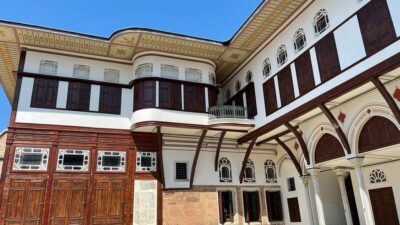 ★ 4.1Istanbul: Topkapi Palace & Harem Museum Ticket & Audio GuideFrom $613,977 reviews
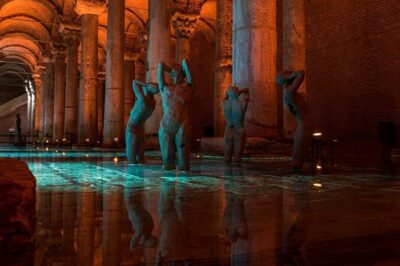 ★ 4.6Istanbul: Basilica Cistern Skip-the-Line Entry TicketFrom $442,270 reviews
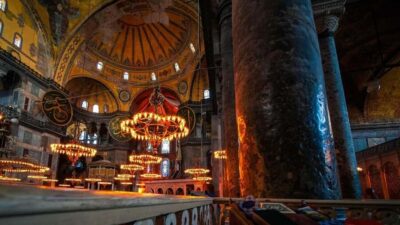 ★ 4.6Istanbul: Basilica Cistern & Hagia Sophia Combo TicketFrom $711,990 reviews
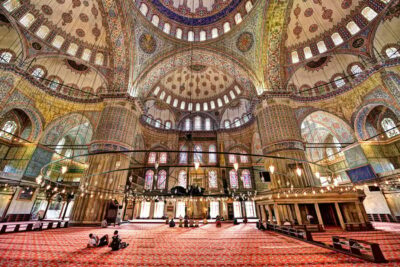 ★ 4.7Istanbul: Blue Mosque, Hagia Sophia, & Basilica Cistern TourFrom $581,806 reviews
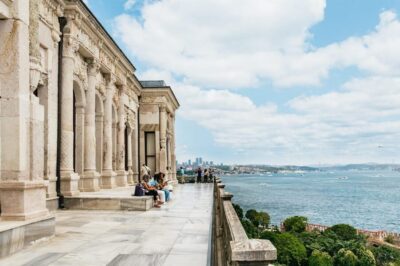 ★ 4.8Istanbul: Topkapi Palace and Harem Guided Tour with TicketFrom $551,726 reviews
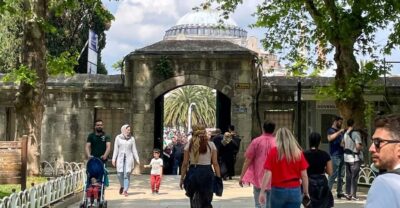 ★ 4.3Istanbul: Blue Mosque, Basilica Cistern, & Hagia Sophia TourFrom $781,634 reviews
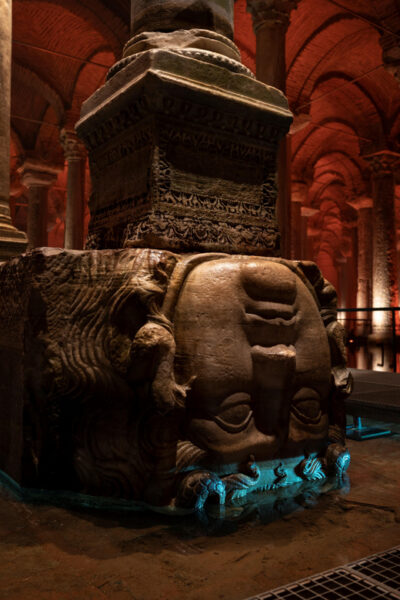 ★ 4.6Istanbul: Basilica Cistern Skip-the-Line Entry & Audio GuideFrom $711,477 reviews
Also filed under