
REVIEW · HAGIA SOPHIA AND THE BLUE MOSQUE
Istanbul: Hagia Sophia & Basilica Cistern Tour with Tickets
Two monuments, one smart timeline. I love how this tour pairs Hagia Sophia with Basilica Cistern so you get the Byzantine and Ottoman story without losing time to ticket lines. The walk is short, the explanations are clear, and you finish in Sultanahmet with tips to keep moving through the old city.
One thing to plan for: both sites run strict rules. Security can be slow in high season, the Basilica Cistern has 50 steps with no lift, and Hagia Sophia can close unannounced due to state visits.
In This Review
- Key things that make this tour worth your time
- A tight 2 to 2.5-hour plan for Istanbul’s top must-sees
- Where you meet, how you get in, and why 15 minutes matters
- Basilica Cistern: the subterranean palace under wooden walkways
- What to look for while you are underground
- If Basilica Cistern closes, you get a backup cistern
- Hagia Sophia: a living mosque with layered Byzantine and Ottoman details
- The big things your guide will point out
- Dress code and behavior rules inside the mosque
- The Hippodrome stop that makes the area feel less random
- Tips to keep going after the tour ends
- Price value check: what $141 buys you in real time
- What I think about the guide experience (and why it shows)
- Accessibility, age limits, and who should consider another option
- Should you book this Istanbul Hagia Sophia and Basilica Cistern tour?
- FAQ
- What is the duration of the Hagia Sophia and Basilica Cistern tour?
- Are skip-the-line tickets included?
- Where do I meet the guide?
- Is the tour only in English?
- What should I bring?
- What clothing is required inside Hagia Sophia?
- Is the Basilica Cistern wheelchair accessible?
- What happens if Hagia Sophia or the Basilica Cistern is closed?
Key things that make this tour worth your time
- Priority, prebooked entry so you can spend more time inside the sites
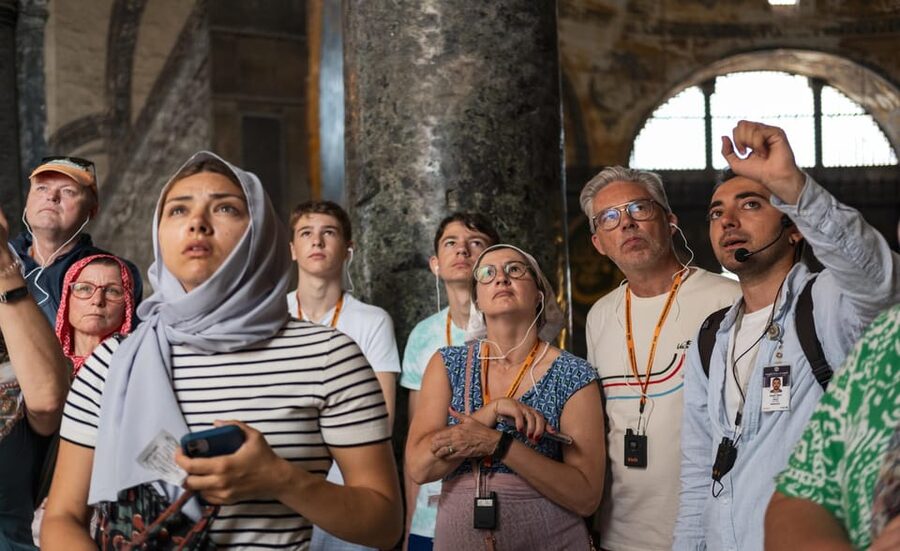
- Licensed local guide plus headsets for better listening, even in busy halls
- Basilica Cistern details like the underwater pillars and the upside-down Medusa heads
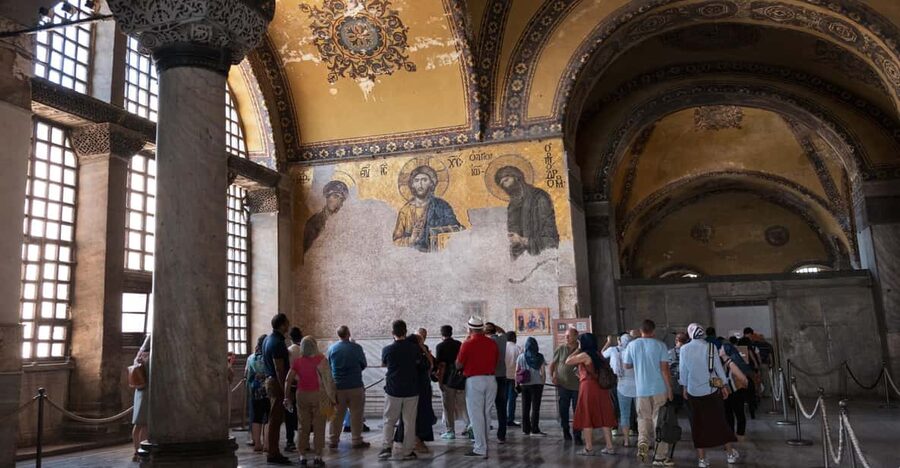
- Hagia Sophia context on mosaics, later additions like İznik tiles, and Ottoman-era changes
- A quick Hippodrome orientation so you understand what mattered in daily Byzantine life
- Two start options for cruise passengers, including Galataport with tram access to old town
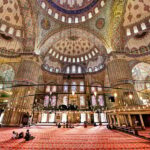
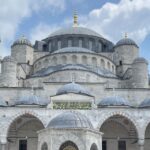
Other visits to Hagia Sophia and the Blue Mosque. Both are working mosques, so cover shoulders and knees and take your shoes off inside
- Istanbul: Hagia Sophia Skip-the-Line Ticket & Museum Option★ 3.7 · 4,958 reviews
- Istanbul: Blue Mosque & Hagia Sophia Guided Tour w/ Tickets★ 4.8 · 3,600 reviews
- Istanbul: Hagia Sophia Skip-the-Line Ticket and Audio Guide★ 4.3 · 2,246 reviews
- Istanbul: Basilica Cistern & Hagia Sophia Combo Ticket★ 4.6 · 1,990 reviews
A tight 2 to 2.5-hour plan for Istanbul’s top must-sees
This tour is built for people who want the big hitters without turning the day into a logistics puzzle. You get a small-group guided format, usually the kind of pacing where you can actually hear the guide, ask questions, and not feel like you’re herding with 30 strangers.
The timing is also realistic. You have about 45 minutes for the Basilica Cistern, roughly 1 hour inside Hagia Sophia, then a brief wrap-up in the Sultanahmet area. That matters because both sites are famous for a reason, and rushing makes you miss the clues that make them click.
Also, this is a very “look and understand” tour. It is not just staring at domes and columns. Your guide points out what to notice so the buildings stop being random photos and start being places with a timeline.
Where you meet, how you get in, and why 15 minutes matters
The tour offers two meeting point options, depending on what you booked. If you are doing the cruise option, you may meet around Galataport areas and then take the tram to the Sultanahmet district with your guide.
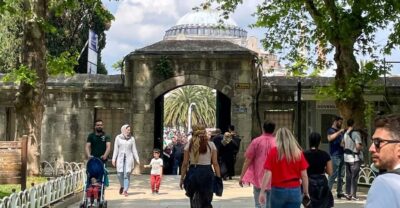
Either way, show up early. You need to arrive 15 minutes before the start because entry is timed. That is not a small detail. Timed entry can save you from long waits, but only if the group is lined up when the ticket window opens.
You should also expect airport-style security at both stops. In peak periods, that can take longer than you want, so it helps to dress correctly and keep your arrival calm.
Basilica Cistern: the subterranean palace under wooden walkways
The tour begins at the Basilica Cistern, which many people first hear about as the underwater-column “maze.” What I like here is that your guide gives you a map for the chaos before you even look down at the water.
You will head down the stairs into the cistern, where the air feels cooler and the echoes make the room feel bigger than you expect. The walkways are wooden, so you get a stable path over the water while you study the architectural rhythm.
What to look for while you are underground
Your guide highlights several features that make this site more than a fun photo stop:
- The “Subterranean Palace” layout and how the space functioned
- The underground pillars and Byzantine architectural choices
- The famous upside-down Medusa heads, which people often miss when they are busy scanning for the biggest photo
One practical note: the cistern has 50 steps down and then up, and there is no lift. If stairs are hard for you, you will feel it here even if you are fine walking on flat ground outside.
More Topkapi and Cistern tickets, timed differently
- Istanbul: Basilica Cistern Fast-Track Entry and Audio Guide
★ 4.6 · 7,521 reviews - Istanbul: Topkapi Palace & Harem Museum Ticket & Audio Guide
★ 4.1 · 3,977 reviews - Istanbul: Basilica Cistern Skip-the-Line Entry Ticket
★ 4.6 · 2,270 reviews - Istanbul: Blue Mosque, Hagia Sophia, & Basilica Cistern Tour
★ 4.7 · 1,806 reviews - Istanbul: Topkapi Palace and Harem Guided Tour with Ticket
★ 4.8 · 1,726 reviews
If Basilica Cistern closes, you get a backup cistern
Sometimes the Basilica Cistern is closed. If that happens, the tour visits either Şerefiye (cistern of Theodosius) or Binbirdirek (cistern of Philoxenos). That keeps the tour from turning into a disappointment, but it also means the “Medusa heads” moment might not happen. It is good to know before you go in with one fixed mental image.
Hagia Sophia: a living mosque with layered Byzantine and Ottoman details
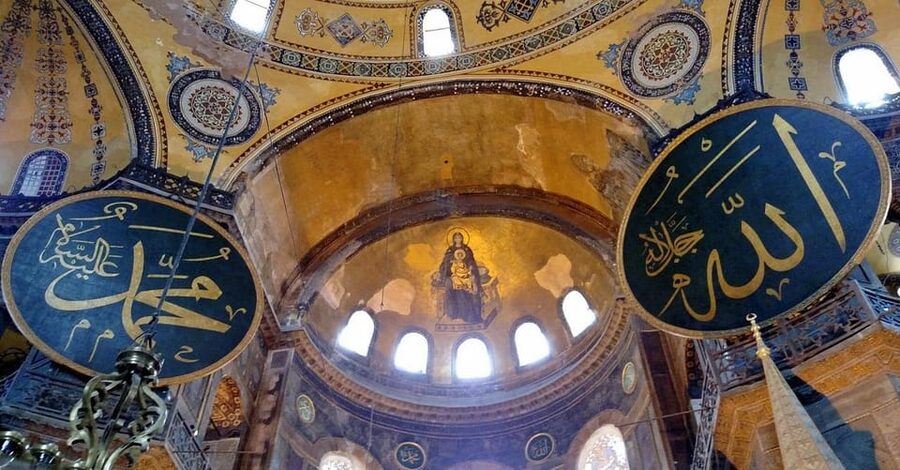
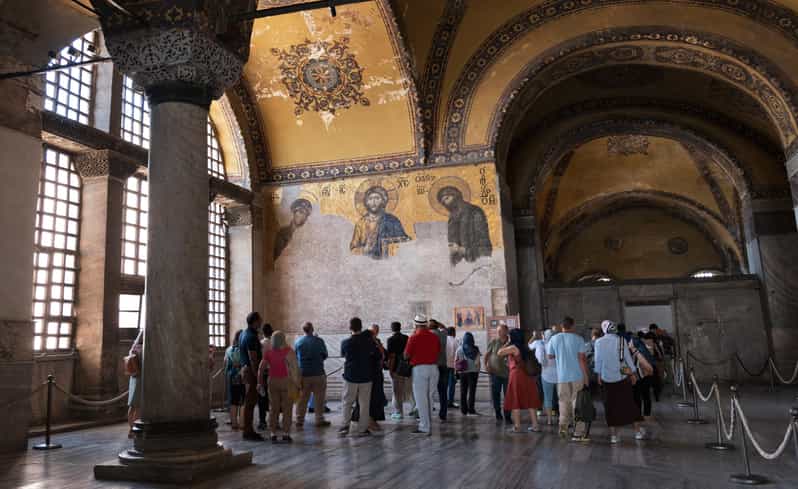
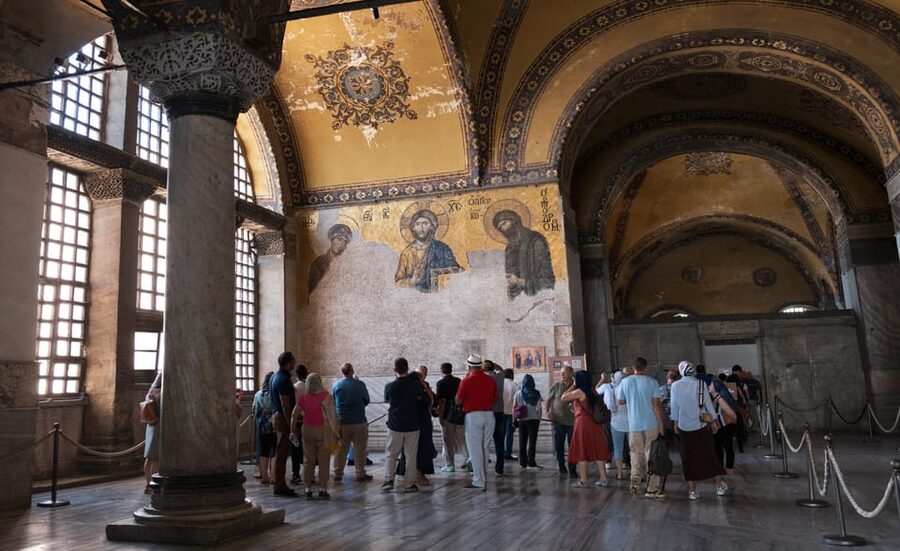
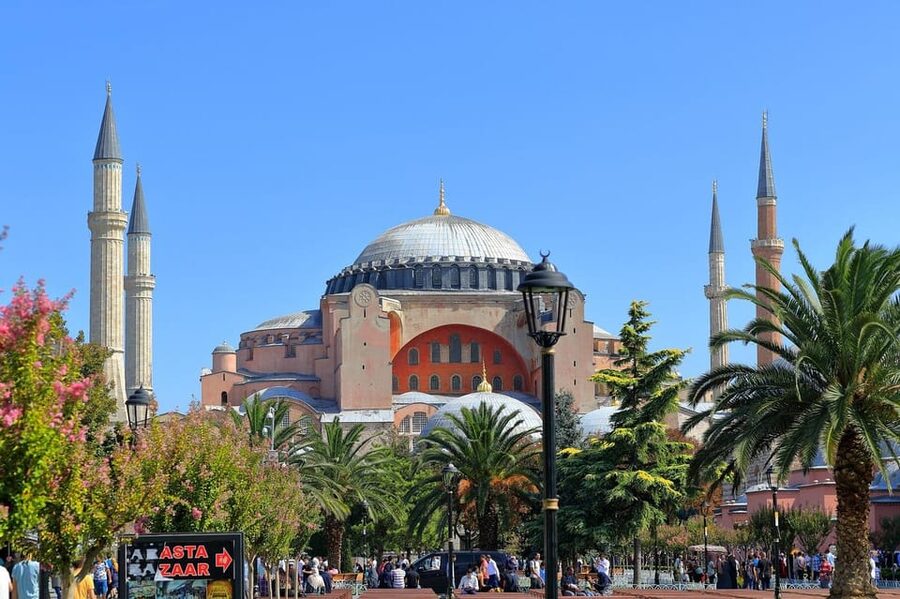
Next comes the main event, Hagia Sophia. This is where you get the strongest “why this city matters” feeling. The building is massive, but the real payoff is how your guide explains the layers.
You enter with pre-reserved tickets, which helps you skip the longest lines. Once inside, you are not just looking up. You are learning what changed, when, and why.
The big things your guide will point out
I especially like that the tour focuses on specific elements that connect the architecture to history:
- How the site was converted into a mosque after the Ottoman conquest of Constantinople
- How İznik tiles were added over time in the mosque
- The Virgin Mary mosaic and its creation story
- How Ottomans chose to bury sultans in the courtyard
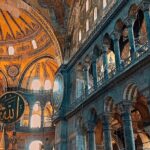
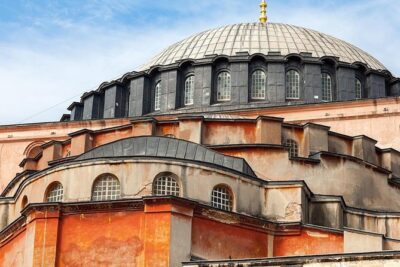
And yes, you will still see the classic show-stoppers: the dome, minarets, mosaics and paintings, and Roman columns. But the guide’s job is to help you notice the “mixed elements” without getting lost in trivia.
Dress code and behavior rules inside the mosque
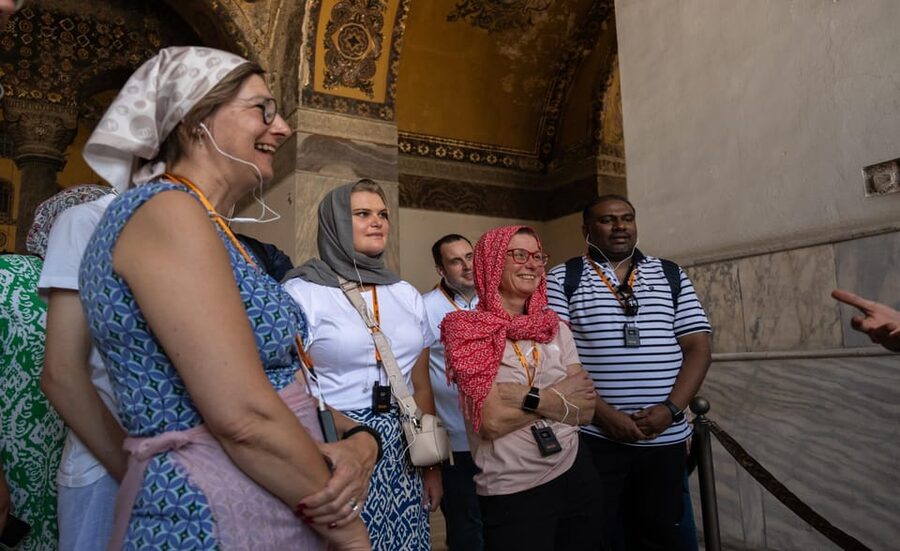
Hagia Sophia is an active place of worship, so rules are real. Women should wear a headscarf, and both men and women need clothing that covers shoulders and knees. That means no shorts, no short skirts, and no sleeveless shirts.
You will also go through security. A practical tip: if you do not bring a headscarf, there may be places nearby where you can quickly buy one. You should still plan to carry one anyway, because last-minute shopping can become stressful.
One more thing: inside, be ready for restrictions around signs and certain gestures. Also avoid anything that could be seen as offensive or political on clothing, since security may refuse entry.
The Hippodrome stop that makes the area feel less random
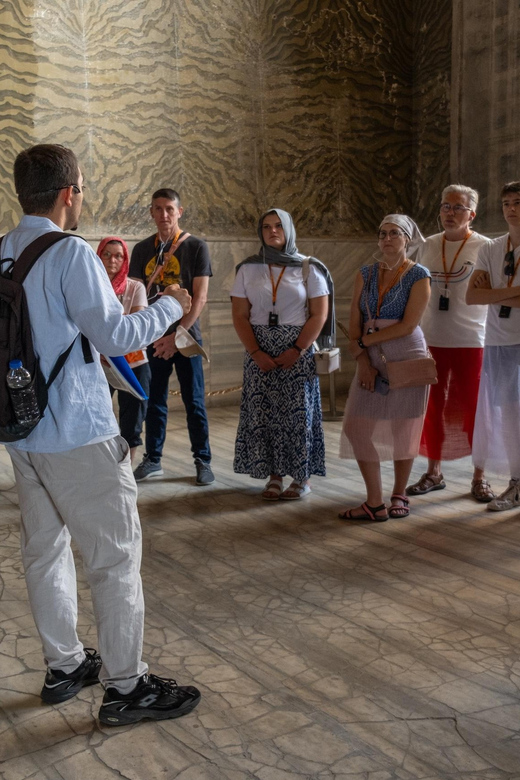
After Hagia Sophia, the tour continues with a short guided orientation in the Sultanahmet area, including the Byzantine Hippodrome connection. Even though the time here is brief, the guide’s framing helps you understand why this neighborhood was important day to day.
You will learn about the obelisks and the Hippodrome’s role in the life of the city. For first-time visitors, this matters because Istanbul’s monuments can feel like separate postcards. A quick “how it all fit together” moment makes it easier to plan your next walk without feeling like you are wandering.
The tour ends at Sultanahmet Square with about 15 minutes of guide time, which is long enough to get practical pointers.
Tips to keep going after the tour ends
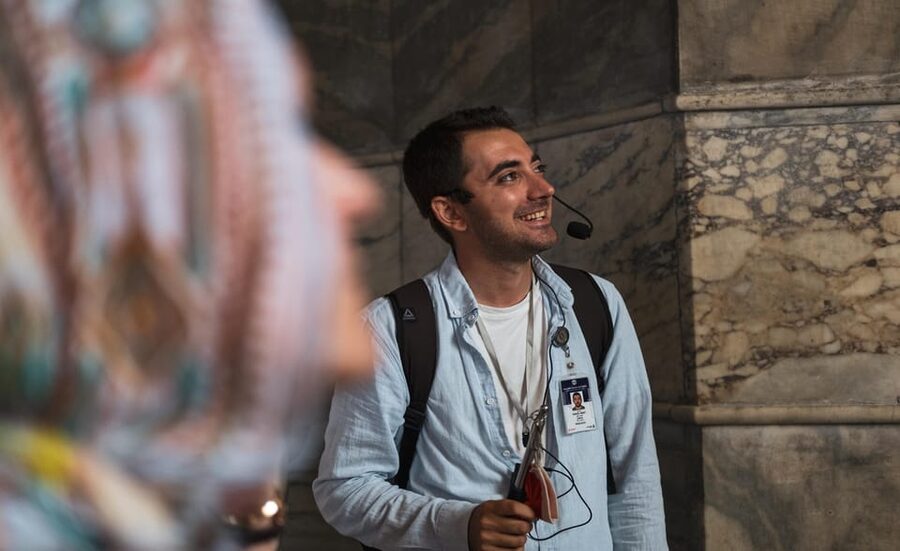
What makes this tour feel more useful than a basic ticket-and-walk is that it finishes with advice. You get tips for navigating Istanbul’s old town on your own.
That matters because Sultanahmet is scenic but not always straightforward. Even if you are comfortable with walking, you want a plan for:
- Which streets to prioritize next
- How to pace yourself so you do not burn out in the hottest hours
- What to pair nearby with Hagia Sophia and the cisterns, since you are already in the right zone
You will also have a better understanding of what you are looking at, so your next stops feel intentional instead of random.
Price value check: what $141 buys you in real time
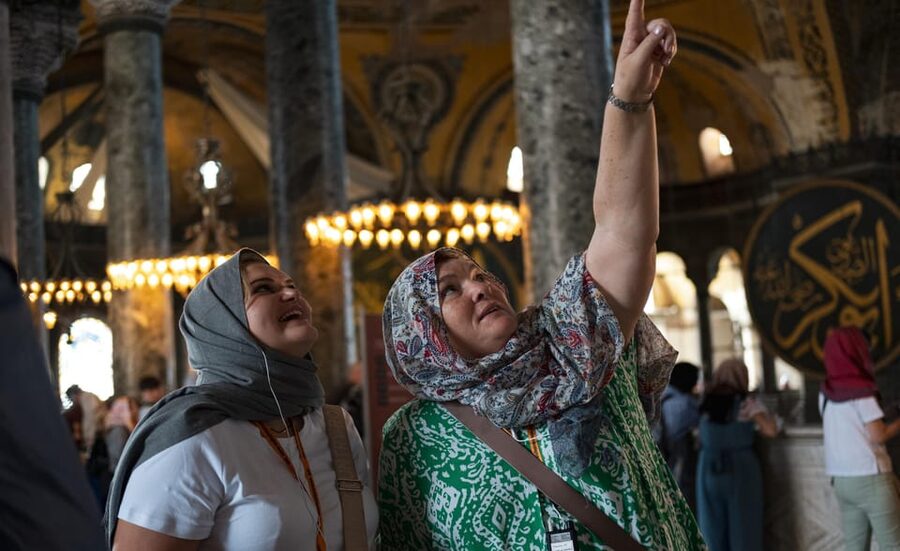
At $141 per person for a 2 to 2.5-hour tour, you are paying for more than entry fees. The value is in the combination:
- Priority admission tickets to both major sites
- A licensed local guide
- Headsets so you can hear well during explanations
- A tight route that reduces downtime between places
If you tried to do Hagia Sophia and the Basilica Cistern on your own, the biggest hidden cost is time lost to lines, plus the chance that you wander without context. This tour trades some flexibility for a smoother flow and stronger “understanding per hour.”
That said, you should go into it expecting museum-like rules and a bit of walking. If you hate guided groups, or you want to spend long unbroken hours inside each monument, a guided half-day may feel too structured.
What I think about the guide experience (and why it shows)
Guides are a big deal for these sites, because both require attention to small details. In past runs, guides such as Mert, Furkan, Emre, and Fahrud have been praised for clear English and strong enthusiasm, plus the kind of explanations that help you spot features you would miss on your own.
One thoughtful aspect I like is the human side. If someone in the group is struggling with heat, a good guide handles pacing and comfort so the day still works. You may also find that guides answer questions well, not just read facts off a page.
Small-group format helps here. You are not just in a crowd listening from the back.
Accessibility, age limits, and who should consider another option
This tour is not designed for everyone. It is not suitable for:
- Children under 7
- People with mobility impairments
- Wheelchair users
The cistern is the main reason. The 50 steps down and up with no lift means it is physically demanding even though the rest of the route is fairly manageable.
If you are able-bodied and comfortable with stairs, you should be fine. But if you want a monument tour and need step-free access, you will likely want to look for a different format.
Should you book this Istanbul Hagia Sophia and Basilica Cistern tour?
Book it if you want an efficient, guided hit of Istanbul’s most recognizable sites with tickets included and a smooth start from the meeting point. I think it is especially smart for first-time visitors who want context, not just photos.
Skip it if you:
- Need full accessibility support for stairs and ramps
- Want maximum free time inside each monument without a set pace
- Are traveling with strict dress constraints you cannot meet quickly (Hagia Sophia rules are enforced)
If you do book, come prepared: headscarf ready, shoulders and knees covered, and arrive early so you can take advantage of the timed entry.
FAQ
What is the duration of the Hagia Sophia and Basilica Cistern tour?
The tour lasts about 2 to 2.5 hours.
Are skip-the-line tickets included?
Yes. Priority admission tickets for both Hagia Sophia and the Basilica Cistern are included.
Where do I meet the guide?
Meeting points can vary depending on the option booked, including Galataport Clock Tower Square and Ersoy Bufe.
Is the tour only in English?
No. The tour is offered in English and German, and you will also receive headsets to hear the guide better.
What should I bring?
You should bring a headscarf.
What clothing is required inside Hagia Sophia?
You need clothing that covers your shoulders and knees. Shorts, short skirts, and sleeveless shirts are not permitted. Women should wear a headscarf.
Is the Basilica Cistern wheelchair accessible?
No. The tour is not suitable for wheelchair users or people with mobility impairments, and the cistern involves 50 steps down and then up with no lift.
What happens if Hagia Sophia or the Basilica Cistern is closed?
Hagia Sophia may close unannounced due to state visits. If the Basilica Cistern is closed, the tour visits either Şerefiye (cistern of Theodosius) or Binbirdirek (cistern of Philoxenos).
Topkapi and the Cistern, More Tickets


Hagia Sophia and the Blue Mosque, Other Visits


Recently reviewed in Istanbul




The rest of Hagia Sophia and the Blue Mosque.
 ★ 4.8Istanbul: Blue Mosque & Hagia Sophia Guided Tour w/ TicketsFrom $393,600 reviews
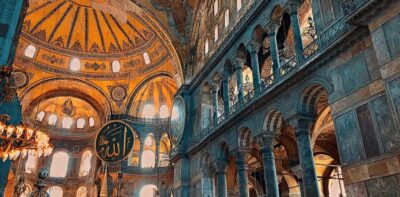 ★ 4.3Istanbul: Hagia Sophia Skip-the-Line Ticket and Audio GuideFrom $352,246 reviews
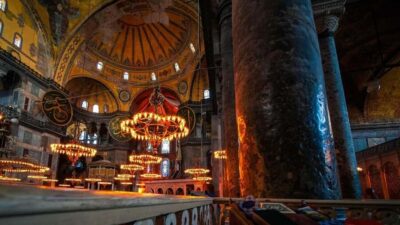 ★ 4.6Istanbul: Basilica Cistern & Hagia Sophia Combo TicketFrom $711,990 reviews
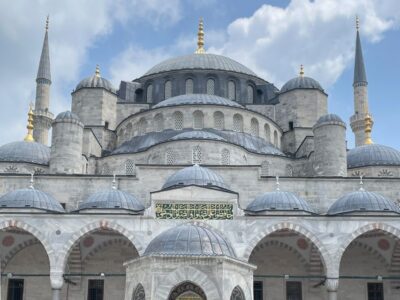 ★ 4.5Istanbul: Blue Mosque Guided TourFrom $191,910 reviews
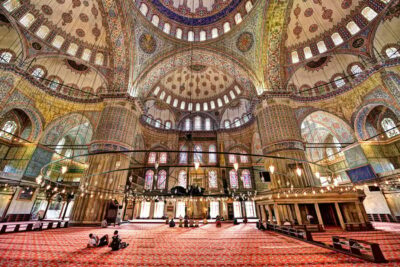 ★ 4.7Istanbul: Blue Mosque, Hagia Sophia, & Basilica Cistern TourFrom $581,806 reviews
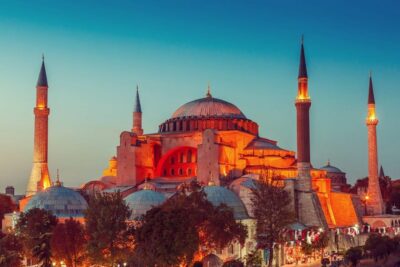 ★ 4.4Istanbul: Hagia Sophia Skip-the-Line Ticket with Audio TourFrom $421,767 reviews
 ★ 4.3Istanbul: Blue Mosque, Basilica Cistern, & Hagia Sophia TourFrom $781,634 reviews
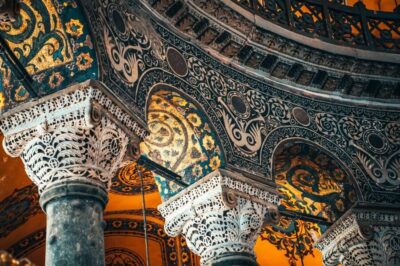 ★ 4.3Istanbul: Hagia Sophia Skip-the-Ticket Line & Audio GuideFrom $411,469 reviews