
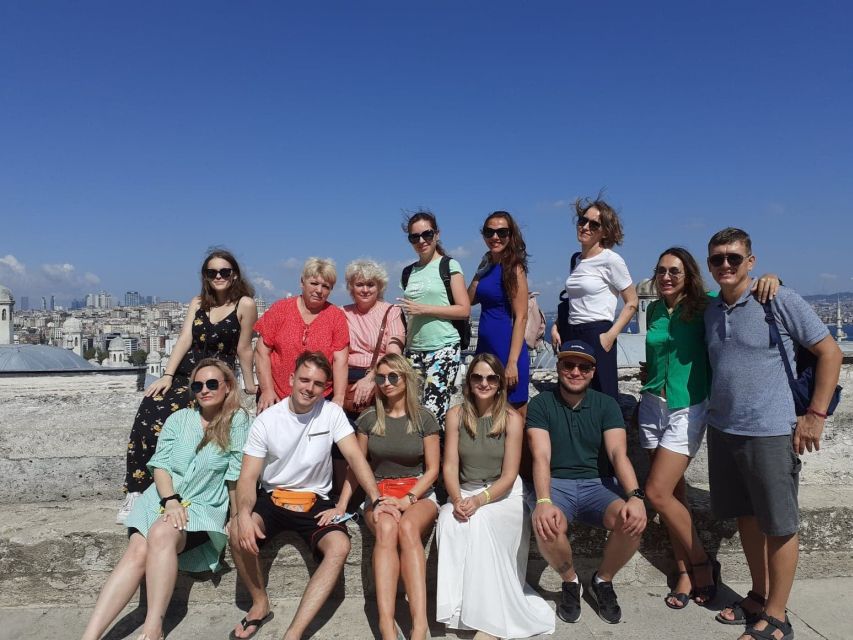
REVIEW · HAGIA SOPHIA AND THE BLUE MOSQUE
Istanbul: Hagia Sophia, Blue Mosque, Cistern & Bazaar Tour
Four icons, one tidy five-hour loop.
This tour strings together the biggest names in Istanbul in a smart walking route, so you get the meaning behind the sights, not just a checklist. You start in the Sultanahmet area and move through the places that shaped Byzantine and Ottoman Istanbul, with skip-the-ticket-line access helping you spend more time inside.
I especially like two things. First, the storytelling style. Names like Oz (and sometimes Arkan) come up again and again, and the best part is how the guide connects details in the buildings to what those spaces were used for. Second, the Underground Istanbul moment: the Basilica Cistern, where you walk into that cool, shadowy world and can actually take in the Medusa head displays and reflections without rushing.
One thing to plan around: the entrance tickets are not included, and you also have dress rules. If you do not like extra out-of-pocket costs, this may feel annoying, especially when Hagia Sophia and the Cistern are paid separately on the day.
In This Review
- Quick hits you can use right away
- Where you meet, and how the timing actually works
- Blue Mosque impressions: six minarets, Iznik tiles, and rules to follow
- Hagia Sophia: make the most of your about 75 minutes
- Basilica Cistern underground: why the Medusa heads feel eerie in person
- Grand Bazaar: how to shop without wasting your time
- The guide factor: humor, clarity, and smart navigation
- Price and ticket reality: getting value from a half-day plan
- Dress and day essentials: the fast checklist that saves headaches
- Who should book this tour, and who should think twice
- Should you book this Istanbul Hagia Sophia, Blue Mosque, Cistern, and Bazaar tour?
- FAQ
- Where is the meeting point for this tour?
- How long is the tour?
- Is the English-speaking guide included?
- Are tickets for Hagia Sophia and the Basilica Cistern included?
- What do I need to pay for entrance tickets?
- Do I need a headscarf?
- What should I bring to enter?
- Does the tour provide headsets?
- Is the tour wheelchair accessible?
- Is the tour refundable if plans change?
Quick hits you can use right away

- Skip-the-ticket-line access helps cut down time in crowded entry moments at major sights
- Basilica Cistern timing around 45 minutes gives you enough room to look, breathe, and take photos
- Hagia Sophia focus around 75 minutes means you are not sprinting through the biggest interior
- Headsets when needed make it easier to hear the guide, especially in bigger groups
- Grand Bazaar navigation keeps you from getting trapped in dead ends and backtracking
- Guide personalities matter and many guests highlight humor plus clear explanations
Other visits to Hagia Sophia and the Blue Mosque. Both are working mosques, so cover shoulders and knees and take your shoes off inside
- Istanbul: Hagia Sophia Skip-the-Line Ticket & Museum Option★ 3.7 · 4,958 reviews
- Istanbul: Blue Mosque & Hagia Sophia Guided Tour w/ Tickets★ 4.8 · 3,600 reviews
- Istanbul: Hagia Sophia Skip-the-Line Ticket and Audio Guide★ 4.3 · 2,246 reviews
- Istanbul: Basilica Cistern & Hagia Sophia Combo Ticket★ 4.6 · 1,990 reviews
Where you meet, and how the timing actually works
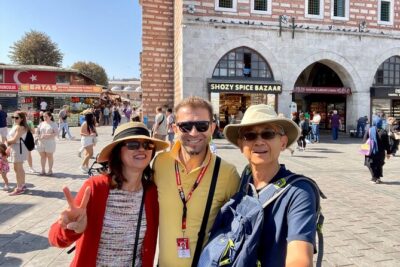
You meet your guide in front of Pudding Shop, also known as Lale Restaurant. From there, the tour is set up as a walk-and-visit day through the core of Sultanahmet, with stops that fit together logically rather than scattering you around the city.
At the bigger sites, the real time saver is not magic, it is queue management. The tour is designed for skip-the-ticket-line entry, so you spend less time standing in the obvious lines and more time inside looking at the parts that matter. If your group is over 15 people, you may also get headsets, which can make a noticeable difference if you are farther back or the crowd noise is intense.
The whole tour runs about five hours. In practice, that is enough time for guided context, plus a reasonable amount of looking time, without turning the day into a long grind. One small planning point: Hagia Sophia and the Basilica Cistern are the time anchors, with about 75 minutes inside Hagia Sophia and about 45 minutes in the Cistern, so keep your energy for those two spaces.
Blue Mosque impressions: six minarets, Iznik tiles, and rules to follow
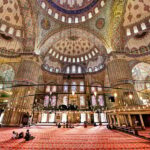
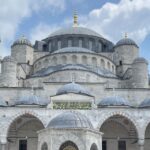
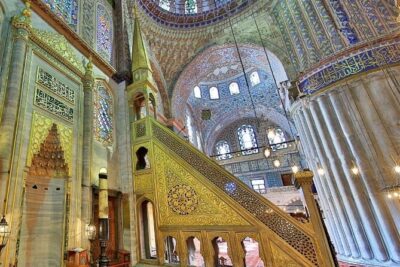
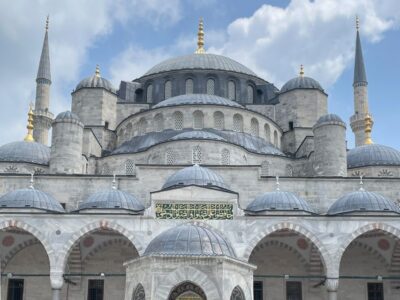
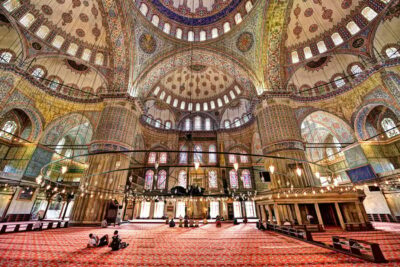
The day starts at the Sultan Ahmed Mosque, better known as the Blue Mosque. The best way to think about this stop is not just as a photo moment, but as a lesson in how Ottoman design absorbed earlier influences. Inside, you get the signature look: blue Iznik tiles covering much of the interior, which makes the light feel softer and calmer than you expect in a busy city.
You will also see the famous exterior features right away, especially the six minarets, and your guide will likely point out how the architecture blends ideas from different eras, including Byzantine influences. The building can feel open and serene when you are not rushing, but it is still a working mosque, so respect the flow of visitors and any moments when access is limited.
Do not ignore the entry expectations. Women have to wear a headscarf at both the Blue Mosque and Hagia Sophia, and you should bring one even if you assume there will be a workaround. Long pants are also a must. This is one place where the tour format helps, because your guide can keep the group organized and moving toward the parts you should actually focus on.
A practical downside to expect: the Blue Mosque can be photo-friendly but still crowded around peak times, so your pace may feel slower if you are trying to take every angle from every distance.
Hagia Sophia: make the most of your about 75 minutes
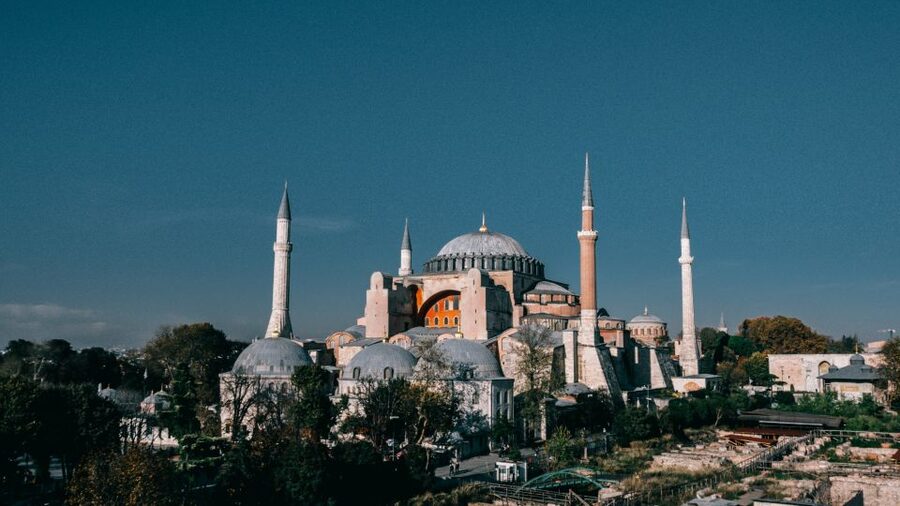
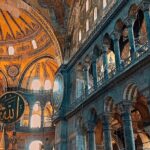
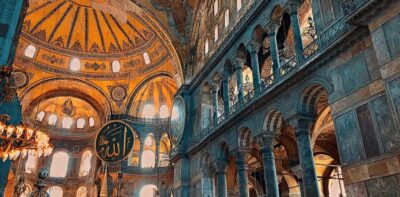
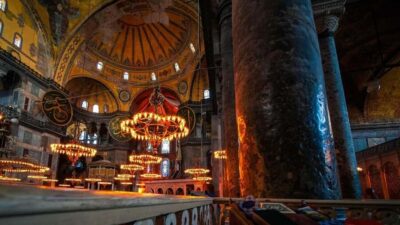
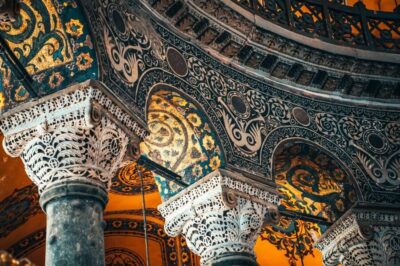
Hagia Sophia is the reason most people come to Istanbul, and the tour’s approach makes it easier to understand why. You walk into a space that has switched roles across centuries, serving as a church and later as a mosque, and today it is a museum. The scale is the headline, but the details are what stick: the massive dome, the interior mosaics, and the way different eras left their marks on the same walls.
The tour gives you about 75 minutes at Hagia Sophia, which is a smart amount for a guided visit. With that time, you can actually slow down enough to notice how people move inside, where the best views are from different angles, and which visual cues match the building’s changing functions over time.
Tickets are not included, so you will pay your Hagia Sophia entrance fee separately. Plan for the fact that this site can involve both ticketing and security, even when you use skip-the-ticket-line access. If you hate any waiting at all, arrive with a calm mindset and let your guide handle the process.
If you are the type who wants to understand what you are seeing, this stop is where a strong guide shines. Many guests call out guides like Oz for turning architecture into stories you can remember, and for staying upbeat while working through a crowd. The biggest payoff is not just seeing the building, it is leaving with a mental map of what you looked at and why it matters.
Basilica Cistern underground: why the Medusa heads feel eerie in person
Then you go under the city to the Basilica Cistern, also called Yerebatan Sarnıcı. This is a Roman-period underground reservoir, and the experience is mostly about atmosphere. You walk down into a cool, dim space where the ceiling drops overhead and the water reflections ripple across the floor.
The famous visual anchors are the Medusa heads. Even if you think you know what you will see from pictures, the experience changes when you are standing near them. The stone looks heavier than you expect, and the water reflections make everything feel slightly unreal. That is why a guided stop helps: you get the context for what you are seeing, so it does not turn into just another photo spot.
Timing matters here. You get about 45 minutes inside the Basilica Cistern, which is enough to look around without feeling rushed, especially if your guide points out where to stand for different perspectives. One practical tip for your experience: wear closed-toe shoes you can walk in confidently, because the underground floors can feel slick and you will be moving carefully through crowds.
Entrance tickets for the Cistern are not included either, and you pay on the day with cash. The info provided includes a figure of 1950 TRY per person cash, but there is also another note listing 3000 Turkish lira per person for entrance tickets. To stay safe, budget for the higher number you see during booking and have cash ready.
More Topkapi and Cistern tickets, timed differently
- Istanbul: Basilica Cistern Fast-Track Entry and Audio Guide
★ 4.6 · 7,521 reviews - Istanbul: Topkapi Palace & Harem Museum Ticket & Audio Guide
★ 4.1 · 3,977 reviews - Istanbul: Basilica Cistern Skip-the-Line Entry Ticket
★ 4.6 · 2,270 reviews - Istanbul: Blue Mosque, Hagia Sophia, & Basilica Cistern Tour
★ 4.7 · 1,806 reviews - Istanbul: Topkapi Palace and Harem Guided Tour with Ticket
★ 4.8 · 1,726 reviews
Grand Bazaar: how to shop without wasting your time
After the big monuments, the tour shifts gears to the Grand Bazaar, Kapalıçarşı. This is the part people either love instantly or struggle with, mostly depending on how they approach it. With the guide, you are not just wandering halls randomly. You get help moving through the layout so you can actually see variety rather than getting stuck in the same repeating stalls.
The bazaar is famous for density, with thousands of shops selling everything from spices and textiles to jewelry and carpets. The most useful thing your guide can do here is steering, because routes matter. You want to start with a plan: pick one or two categories you want to browse, set a price comfort zone, and use the guide to help you spot where you are likely to find the best matches.
You might also get purchase suggestions. In past experiences, guides have pointed people toward specific types of items and advised on how to shop in a way that feels less stressful. That is especially helpful if you are not sure what quality looks like for textiles or what you should compare across shops.
One balanced note: the Grand Bazaar is a place where sales pressure exists. If you dislike shopping tours and negotiation, treat this stop as a guided stroll and atmosphere visit, not a shopping mission. You can still enjoy the colors, smells, and craft displays without buying anything.
The guide factor: humor, clarity, and smart navigation
The most consistently praised element is the guide. Names like Oz and Arkan come up, and the common thread is that the guide makes the day feel fun while still giving you real context. The humor is not random. It is used to keep energy up while you walk through tight, crowded areas.
I also like how many guests highlight Q and A moments and recommendations beyond the monuments. For example, one guest mentioned a local kabob lunch stop recommended by Oz, while also noting lunch was not part of the tour. That is the right role for a guide: share ideas so you can keep exploring after the tour ends, even if you are paying for your own meals.
Another theme is honesty. People mentioned guides who answered questions and did not pretend to know everything, which matters when you are trying to build a true understanding of what you are seeing. There is also the point that guides can read your group. Some guests traveled with kids, and the guide kept everyone engaged without turning it into a lecture.
You should still treat guide quality as a variable. When you book, look for the fact that this tour is designed for explanation, not just entry and exit. If you want the sights with storytelling, you are in the right lane.
Price and ticket reality: getting value from a half-day plan
The listed price is $36 per person, and that is a big reason this tour gets attention. But here is the honest math: you still pay for major entrance tickets separately. That means the value is not just the $36, it is the combination of what you are paying for inside that total.
You are paying for three things:
1) a guided walkthrough of Istanbul’s most iconic stops
2) entry support that helps you avoid the worst waiting
3) a structured route that makes efficient use of five hours
Hagia Sophia costs 30 euros per person based on the info provided. The Basilica Cistern costs 1950 TRY cash per person, though the other note suggests 3000 Turkish lira per person for entrance tickets. For budgeting, you should assume you will pay at the door in the currencies listed, and have both cash and enough budget to cover both sites.
If you already know you will want to spend time inside both Hagia Sophia and the Basilica Cistern, guided value rises fast. Without help, you might spend too long figuring out what to look at, where to stand, and how to time your visit to avoid peak crowd pressure. With a guide, you start caring about the details sooner.
If you are the type who wants zero extra spend and is okay reading signs at your own pace, then the base price might feel less impressive once you add the entrance fees. For everyone else, it is a practical way to hit the big four in one organized slot.
Dress and day essentials: the fast checklist that saves headaches
The dress rules are straightforward, and you should treat them as non optional. Bring a headscarf for women visiting Hagia Sophia and the Blue Mosque. Pack long pants for everyone. This is not just for politeness, it affects whether you can enter smoothly and how stressed you feel once you arrive.
Bring cash. The Basilica Cistern entrance ticket is listed as cash payment in Turkish lira. Hagia Sophia has a separate entrance fee listed in euros. Even if the guide helps coordinate access, you still need to be ready to pay your portion.
Also bring a calm, flexible mindset for crowds. This is the most visited area of Istanbul for a reason. When a tour is well paced, you still feel the city’s energy, but you avoid the worst chaos.
Who should book this tour, and who should think twice
This is a great fit if you want an organized Istanbul overview and you like a guide who tells stories as you walk. It is especially good for first-time visitors who want to understand why the buildings look the way they do and how Byzantine and Ottoman eras shaped the same skyline.
It can be a good fit for families too, since some guests specifically mentioned the guide keeping kids entertained while still staying on task. It also works well for people who prefer hearing explanations clearly, especially when headsets are provided in larger groups.
Think twice if you have health or mobility concerns listed in the tour notes. The activity is marked as not suitable for pregnant women, people with mobility impairments, and people with heart problems. Note also that the activity says wheelchair accessible, but it simultaneously says not suitable for people with mobility impairments, so you should confirm details with New İstanbul tours before booking if you are in that category.
Should you book this Istanbul Hagia Sophia, Blue Mosque, Cistern, and Bazaar tour?
I would book it if you want the big Istanbul highlights without turning your day into a logistics puzzle. The time allocation works because Hagia Sophia and the Basilica Cistern are given enough minutes to actually see them, and the guide experience is a major reason guests rate it so highly.
Book it if:
- you want guided storytelling at the top monuments
- you are okay paying separate entrance tickets on the day
- you want help navigating the Grand Bazaar so it feels more like exploration than wandering
Skip it, or choose a different format, if:
- you want everything included in one price with no extra fees
- you hate any possibility of ticket or security lines
- you need a comfort level that is not compatible with the tour’s listed suitability notes
If you do book, plan your budget for Hagia Sophia plus the Basilica Cistern, bring your headscarf and long pants, and show up at Pudding Shop Lale Restaurant ready to walk. You will get a lot of Istanbul in five hours, and it will leave you with a clearer picture than you get from stand-alone tickets alone.
FAQ
Where is the meeting point for this tour?
The guide meets you in front of Pudding Shop, also known as Lale Restaurant.
How long is the tour?
The tour duration is about 5 hours.
Is the English-speaking guide included?
Yes. An English-speaking tour guide is included.
Are tickets for Hagia Sophia and the Basilica Cistern included?
No. Entrance tickets are not included, and you pay for them separately.
What do I need to pay for entrance tickets?
The Basilica Cistern entrance ticket is listed as 1950 TRY per person cash. Hagia Sophia tickets are listed as 30 euros per person. There is also another note about entrance tickets totaling 3000 Turkish lira per person, so budget for the higher number you see during booking.
Do I need a headscarf?
Yes, women have to wear a headscarf in Hagia Sophia and the Blue Mosque.
What should I bring to enter?
Bring long pants, a headscarf (for women), and cash for the Basilica Cistern ticket.
Does the tour provide headsets?
Headsets are included if the group is more than 15 people.
Is the tour wheelchair accessible?
The activity lists wheelchair accessible, but it also states it is not suitable for people with mobility impairments. If mobility is a concern for you, confirm details before booking.
Is the tour refundable if plans change?
The tour offers free cancellation up to 24 hours in advance for a full refund.
Topkapi and the Cistern, More Tickets


Hagia Sophia and the Blue Mosque, Other Visits


Recently reviewed in Istanbul


The rest of Hagia Sophia and the Blue Mosque.
 ★ 4.8Istanbul: Blue Mosque & Hagia Sophia Guided Tour w/ TicketsFrom $393,600 reviews
 ★ 4.3Istanbul: Hagia Sophia Skip-the-Line Ticket and Audio GuideFrom $352,246 reviews
 ★ 4.6Istanbul: Basilica Cistern & Hagia Sophia Combo TicketFrom $711,990 reviews
 ★ 4.5Istanbul: Blue Mosque Guided TourFrom $191,910 reviews
 ★ 4.7Istanbul: Blue Mosque, Hagia Sophia, & Basilica Cistern TourFrom $581,806 reviews
 ★ 4.4Istanbul: Hagia Sophia Skip-the-Line Ticket with Audio TourFrom $421,767 reviews
 ★ 4.3Istanbul: Blue Mosque, Basilica Cistern, & Hagia Sophia TourFrom $781,634 reviews
 ★ 4.3Istanbul: Hagia Sophia Skip-the-Ticket Line & Audio GuideFrom $411,469 reviews