
REVIEW · TOPKAPI PALACE AND THE BASILICA CISTERN
Cistern of Theodosius Entry Ticket with Audio Guide
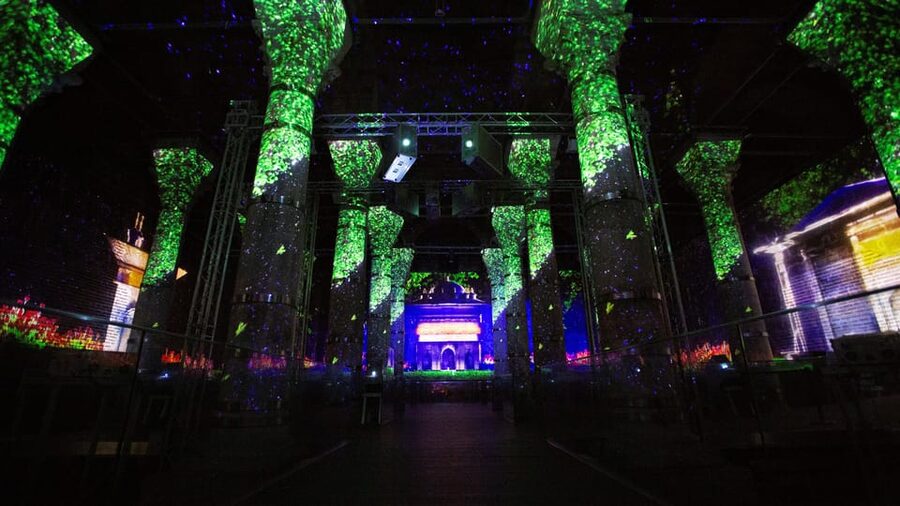
Step into Istanbul’s cool underground hush. The Şerefiye Cistern feels like a time capsule, but you get there with skip-the-line entry and a digital audio guide that keeps things moving at your pace. I especially love how the lighting turns the columns into a film set, and I also like that the audio guide helps you connect what you’re seeing to how the cistern functioned in the past.
One watch-out: the ticket helps with the attraction entry, but you can still hit lines at security checkpoints in busy periods. And inside, it stays dark and a bit slippery, with occasional dripping water, so plan to slow down.
This is a self-guided stop. You use your QR code and open the audio guide link in the app, then wander the corridors of the cistern on your own, taking in the sound of water on stone as you go.
In This Review
- Key highlights to know before you go
- Şerefiye Cistern Basics: what you are really walking into
- Tickets and the skip-the-line reality (what $38 buys you)
- Your self-guided plan: QR code entry and the audio guide app
- Inside the cistern: columns, carved details, and the sound of water
- Photo and video rules that actually matter
- How long to spend in your 1-hour window
- Practical stuff: shoes, slipping, and what to bring
- Price and value: is $38 worth it for a self-guided cistern?
- Who this fits best (and who might want a different plan)
- Should you book this Cistern of Theodosius audio ticket?
- FAQ
- How long is the ticket valid?
- Is this experience a guided tour?
- Does the skip-the-line ticket avoid all waiting?
- What do I get with the ticket?
- Are headphones included?
- What languages are available for the audio guide?
- How will I receive my tickets?
- Is there free entry for some visitors?
- Can I take photos or videos inside?
- What should I avoid bringing or doing inside?
Key highlights to know before you go
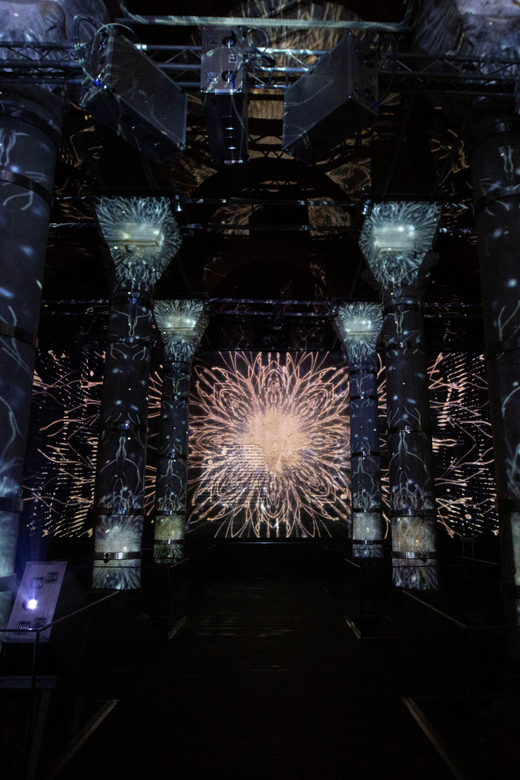
- Atmospheric lighting makes the cistern feel dramatic without you doing anything extra
- Digital audio guide gives clear historical context in multiple languages
- Self-guided flexibility means you can linger where you’re most interested
- Dark, slippery floor keeps it real, so wear shoes with grip
- Not the biggest cistern in town, but still impressive and often easier to enjoy calmly
- Photo rules are straightforward for casual shots, with stricter rules for tripods
More Topkapi and Cistern tickets, timed differently
- Istanbul: Basilica Cistern Fast-Track Entry and Audio Guide★ 4.6 · 7,521 reviews
- Istanbul: Topkapi Palace & Harem Museum Ticket & Audio Guide★ 4.1 · 3,977 reviews
- Istanbul: Basilica Cistern Skip-the-Line Entry Ticket★ 4.6 · 2,270 reviews
- Istanbul: Basilica Cistern & Hagia Sophia Combo Ticket★ 4.6 · 1,990 reviews
Şerefiye Cistern Basics: what you are really walking into
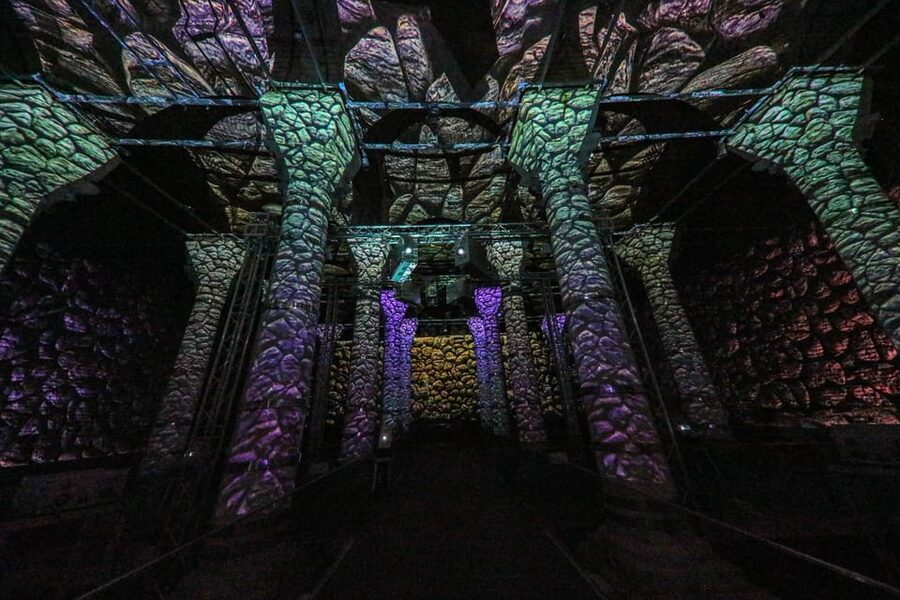
The stop you’re aiming for is the Cistern of Theodosius, also called Şerefiye Cistern. Even if you’ve seen photos of Istanbul’s underground spaces, this one still lands differently in person. It’s a working-feeling room, not a sterile museum hall. Water has its own agenda here, and the stone holds onto the chill.
This cistern was built to store fresh water for the city. That purpose is exactly why the space works so well for today’s visitors. The scale, the rows of columns, and the carved surfaces weren’t made to entertain you. They were built to do a job. When you stand inside and look upward, the engineering makes sense fast, because you can see how the architecture supports the underground storage and movement of water.
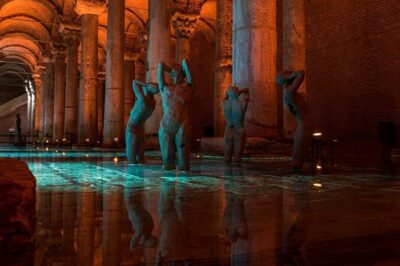
You’ll walk through dim walkways with towering columns all around you. Expect symmetry and repetition. That’s part of the magic. The space has a calm rhythm, and your eyes keep finding new lines as you move, especially when the lights shift your perception of depth.
Tickets and the skip-the-line reality (what $38 buys you)
Your ticket price is $38 per person, and the entry window is valid for 1 hour. That timing matters because the cistern is best when you can wander without rushing. If you show up with zero time pressure, you’ll enjoy it more.
About the skip-the-line part: it helps with getting into the attraction area, but it does not eliminate security lines. In peak season, you may still wait at checkpoints. One practical move is to choose a less hectic time of day. If you can, aim for mid-afternoon or an off-peak slot to reduce the chance of being stuck before you even reach the door.
Also, since this is self-guided, your “start time” is really when you enter. Once you’re inside, you control your pace. The 1-hour window doesn’t mean you’ll spend exactly an hour. It means you have an hour of ticket validity to enjoy the cistern at the time you’ve selected.
Your self-guided plan: QR code entry and the audio guide app
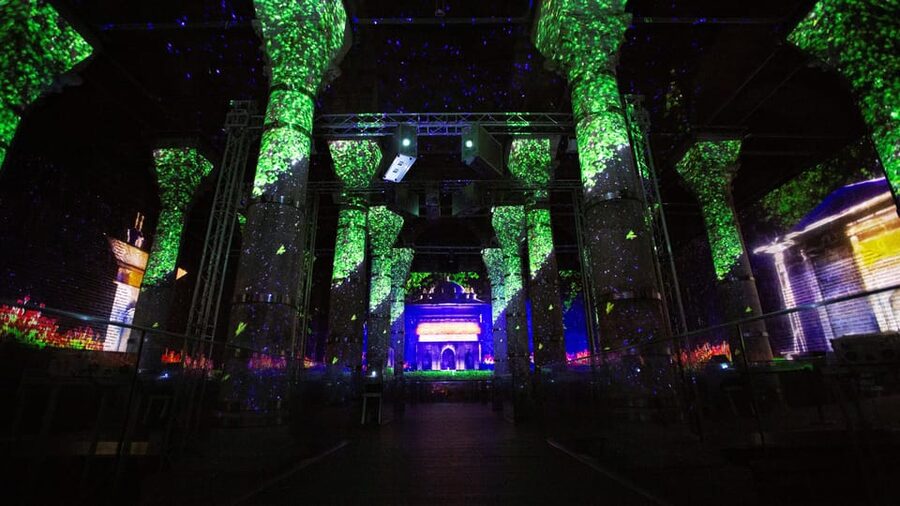
This isn’t a guided tour with a person leading you around. Instead, you go straight to Cistern of Theodosius (Şerefiye) and enter on your own with your tickets.
You receive your tickets with QR codes by email and, if you use it, WhatsApp. You typically also get the audio guide link in the same information bundle. The audio is delivered through a separate app. So the one thing you should do before you travel inside is make sure you can open the link on your phone without drama.
Bring your own strategy for the audio guide:
- Put your phone on at least moderate brightness, then switch to audio-only mode so your eyes can stay on the columns.
- If you’re sensitive to sound in enclosed spaces, start with one audio segment, then adjust volume.
- Don’t feel forced to listen to everything in order. Stop, look, then press play when you’re ready.
The audio guide languages listed are: English, German, French, Italian, Japanese, Spanish, Chinese, Russian, Korean, Hindi, Dutch, Turkish, Portuguese. If you’re not sure which language you’ll want, check before you go so you’re not scrambling in the dark.
Headphones are not included. So if you don’t want to rely on speaker sound, you’ll need your own headphones. This is also one of the few ways to keep your experience comfortable for everyone else, since you’ll be sharing a quiet space.
Inside the cistern: columns, carved details, and the sound of water
Once you pass through the entrance, you’ll get that “wait, this is underground?” feeling right away. The cistern floor sits low, the ceiling disappears into shadow, and the room’s design pulls your attention toward the center and upward.
What you should focus on, in order of payoff:
- The column rows and symmetry. Even if you don’t know engineering terms, you can read the structure with your eyes.
- Carved surfaces and detailing. The stonework feels intentional, not decorative afterthought.
- The water sound. It’s gentle, but it’s constant. That sound makes the space feel active, not staged.
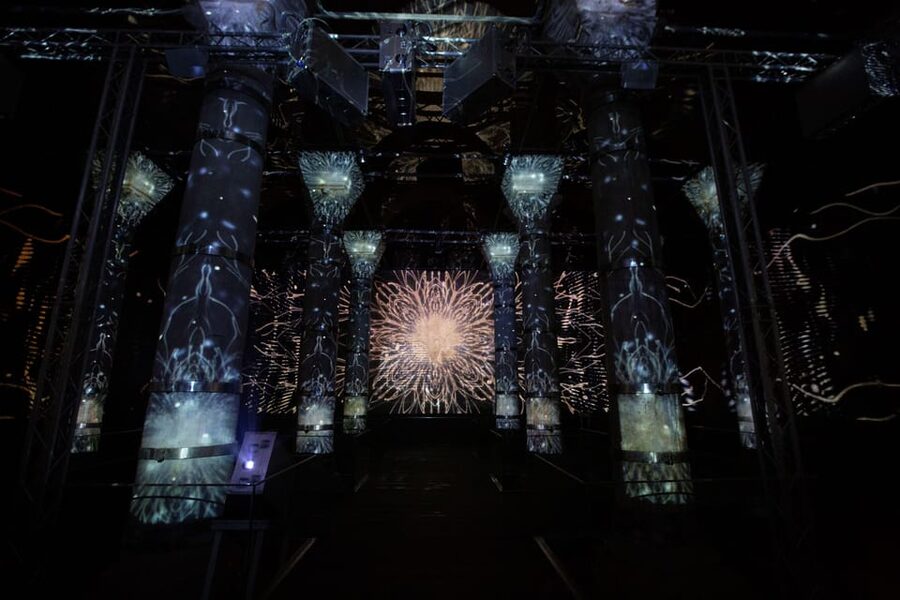
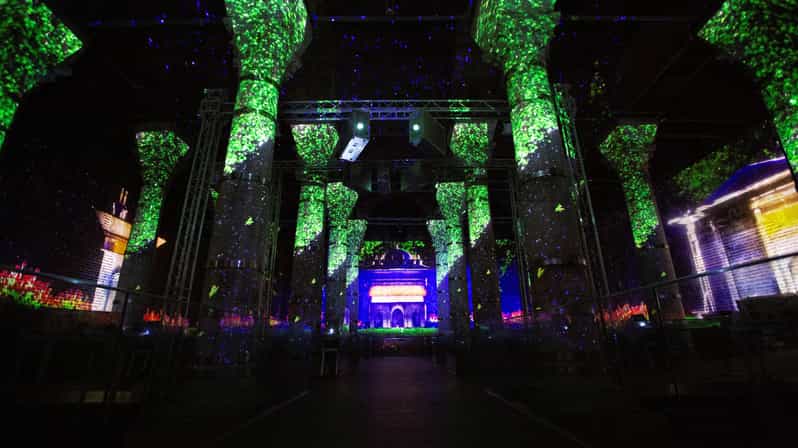
- The lighting. This is where it becomes cinematic.
The lighting changes the mood quickly. Dark corners appear and disappear as shadows stretch across the columns. If you’ve ever wished museums did more with atmosphere and less with signage, this cistern delivers. You don’t need extra interpretation to understand that you are in an engineered shell built to manage water in a city that needed it.
One timing-related tip from experience: the cistern can have light-show style moments. When the lighting shifts, it changes how you perceive the room. If you arrive during or near a show cycle, you may get a more dramatic experience. If you want to see both the show and the room details afterward, build in a couple minutes to just look in the brighter moments after lights change.
- Istanbul: Daytime or Sunset Sightseeing Cruise & Audio Guide
★ 4.8 · 14,430 reviews - Best of Istanbul 1, 2 or 3-Day Private Guided Istanbul Tour
★ 5.0 · 8,922 reviews - Istanbul: Basilica Cistern Fast-Track Entry and Audio Guide
★ 4.6 · 7,521 reviews - Istanbul: Hagia Sophia Skip-the-Line Ticket & Museum Option
★ 3.7 · 4,958 reviews - Istanbul: Hodjapasha Whirling Dervishes Show & Exhibition
★ 4.4 · 4,790 reviews
Photo and video rules that actually matter
Yes, you can take photos and videos inside, as long as you don’t disturb other visitors. Casual shooting fits easily into the experience.
The restrictions that matter are for professional-level setups. Professional shoots and anything involving a tripod require written permission and can come with a fee. So if you’re traveling light with just your phone, you’re in the clear.
Because the floor is slippery and the space is dark, keep your filming practical:
- Don’t stop in the middle of a walkway.
- Move slowly around tripod-free zones.
- Watch where you plant your feet. Grip matters more than the perfect shot.
And due to moisture, dripping water can happen from the ceiling. This is not a theoretical warning. If you’re using a device case, keep it sealed, and avoid holding your phone up directly under low spots where you might catch a drip.
How long to spend in your 1-hour window
You have 1 hour of validity, which is plenty if you keep a steady pace and don’t spend 30 minutes reading every sign in the first five steps. Here’s a realistic rhythm that works well:
- First 10 to 15 minutes: orient yourself. Walk the main pathways, get your bearings, and let the lighting settle in your eyes.
- Middle chunk: slow down and focus on the column rows and carved details. This is where the cistern becomes less like a room you pass through and more like a place you understand.
- Final 10 minutes: re-check the area for lighting shifts, and if there’s a show moment, try to catch the transition rather than only the peak visuals.
A small but useful point: it can be tempting to leave right after you see the dramatic lighting. But the cistern can look different when lights return to a more readable level. Giving yourself a couple extra minutes at the end can help you appreciate the room details you might miss during the more theatrical moments.
Practical stuff: shoes, slipping, and what to bring
Plan for comfort, not style.
What to bring:
- Comfortable shoes with grip. The floor is slippery.
- Headphones (not included with the ticket).
Not allowed:
- High-heeled shoes
- Pets
- Weapons or sharp objects
- Smoking
- Food and drinks
- Luggage or large bags
- Unaccompanied minors
- Climbing
Why these rules exist is simple. The cistern is dark, the walkways and stairs are not designed for stability with heels, and the space is cramped enough that extra items create hazards.
Moisture is another real-world factor. Water can drip from the ceiling, so protect your electronics and keep them handy but covered if needed. If you use a phone, consider a case that seals well and avoid charging cables that could get in the way.
The stairs matter too. The entrance and exit stairs, plus the walkways inside, are not suitable for walking in high heels. If you’re thinking of wearing something fancy, save it for daylight Istanbul and wear sneakers here.
Price and value: is $38 worth it for a self-guided cistern?
At $38, this is not a budget “walk by and snap a photo” stop. But for what you get, the value is pretty fair, especially if you time it well.
Here’s where you’re paying for convenience and interpretation:
- Skip-the-ticket-line saves time so you can spend more of your visit inside.
- The digital audio guide adds substance, turning a dark room of columns into a story about water storage and city planning.
- The ticket includes entry plus an app experience in multiple languages.
You’re not paying for a live guide, and that’s actually part of the value equation. If you’re the kind of person who wants quiet and control, the audio guide format works well. If you love asking questions in real time, this setup may feel too independent.
Also, the cistern is smaller than Istanbul’s most famous underground site. That can be a drawback if you’re craving scale, but it can also be a plus. It often means you can enjoy it without fighting crowds, and it’s easier to appreciate details when you can move through at your own pace.
If you’re building a day of Ottoman-era sights above ground, this is a smart contrast. One underground hour can reset your brain, then you’re ready for the next neighborhood without fatigue.
Who this fits best (and who might want a different plan)
This experience is best for:
- People who like slow travel and atmospheric places
- First-time cistern visitors who want context but not a group pace
- Travelers who appreciate self-guided flexibility
- Anyone who wants a break from Istanbul’s surface-level noise and traffic rhythms
It might be less ideal if:
- You need a live guide to answer questions on the spot
- You dislike dim spaces or slipping floors, even with good shoes
- You hate apps or don’t want to manage audio on your phone
If you’re traveling with kids, note that unaccompanied minors are not allowed in this format. The ticket also mentions free entry for under 7 and for those aged 65 and over, as well as for visitors with a disability ID. So it can be a good value for eligible visitors.
Should you book this Cistern of Theodosius audio ticket?
Book it if you want a peaceful underground visit with atmosphere plus context. The combination of skip-the-line entry and a digital audio guide makes this more than a quick photo stop. It’s also a strong choice when you want an hour you control, not a timed group shuffle.
Skip it or consider another option if you’re expecting a huge, many-room complex or a guided lecture. This is a single, moody space. If that’s what you want, you’ll likely feel satisfied and calm.
My final take: for many Istanbul itineraries, this is one of the best “quiet hour” choices you can make. Put on grippy shoes, bring your own headphones, and give the lighting a chance to do its thing.
FAQ
How long is the ticket valid?
Your ticket is valid for 1 hour. Starting times depend on availability.
Is this experience a guided tour?
No. You enter on your own using your e-ticket and then use the digital audio guide.
Does the skip-the-line ticket avoid all waiting?
It helps with the cistern entry line, but security checkpoint lines can still happen during peak seasons.
What do I get with the ticket?
You get admission to the Cistern of Theodosius, skip-the-ticket-line, and a complimentary digital audio guide app.
Are headphones included?
No. Headphones are not included, so you should bring your own.
What languages are available for the audio guide?
The audio guide app includes English, German, French, Italian, Japanese, Spanish, Chinese, Russian, Korean, Hindi, Dutch, Turkish, Portuguese.
How will I receive my tickets?
Your QR-code tickets are sent one day before your date via email and the WhatsApp application (if you use it). You’ll receive a message from the activity provider.
Is there free entry for some visitors?
Yes. Entry is free for visitors aged 65 and over and for those under 7 years old. It is also free for visitors with a disability ID.
Can I take photos or videos inside?
Yes, you can take photos and videos without disturbing other visitors. Professional shoots and tripod use require written permission and may involve a fee.
What should I avoid bringing or doing inside?
Avoid high-heeled shoes, pets, weapons or sharp objects, smoking, food and drinks, and luggage or large bags. Climbing is also not allowed.
Topkapi and the Cistern, More Tickets



Recently reviewed in Istanbul




The rest of Topkapi Palace and the Basilica Cistern.
 ★ 4.6Istanbul: Basilica Cistern Fast-Track Entry and Audio GuideFrom $447,521 reviews
 ★ 4.1Istanbul: Topkapi Palace & Harem Museum Ticket & Audio GuideFrom $613,977 reviews
 ★ 4.6Istanbul: Basilica Cistern Skip-the-Line Entry TicketFrom $442,270 reviews
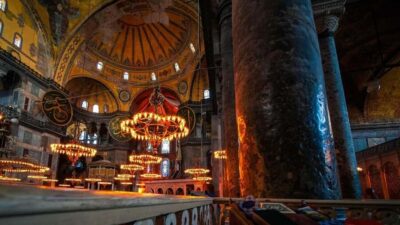 ★ 4.6Istanbul: Basilica Cistern & Hagia Sophia Combo TicketFrom $711,990 reviews
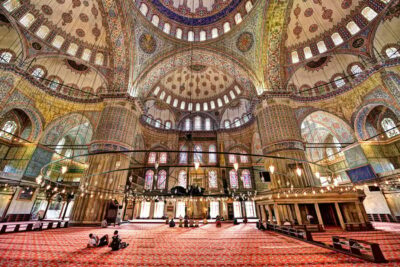 ★ 4.7Istanbul: Blue Mosque, Hagia Sophia, & Basilica Cistern TourFrom $581,806 reviews
 ★ 4.8Istanbul: Topkapi Palace and Harem Guided Tour with TicketFrom $551,726 reviews
 ★ 4.3Istanbul: Blue Mosque, Basilica Cistern, & Hagia Sophia TourFrom $781,634 reviews
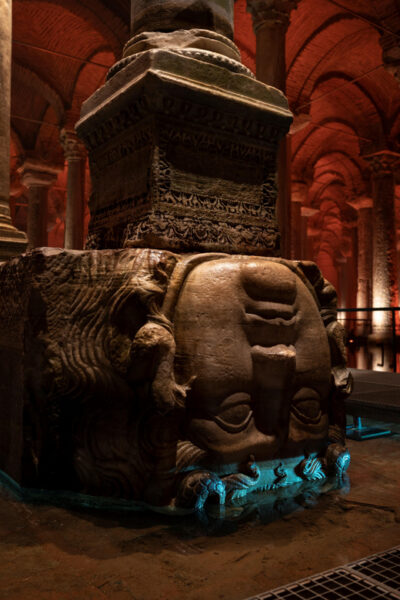 ★ 4.6Istanbul: Basilica Cistern Skip-the-Line Entry & Audio GuideFrom $711,477 reviews