
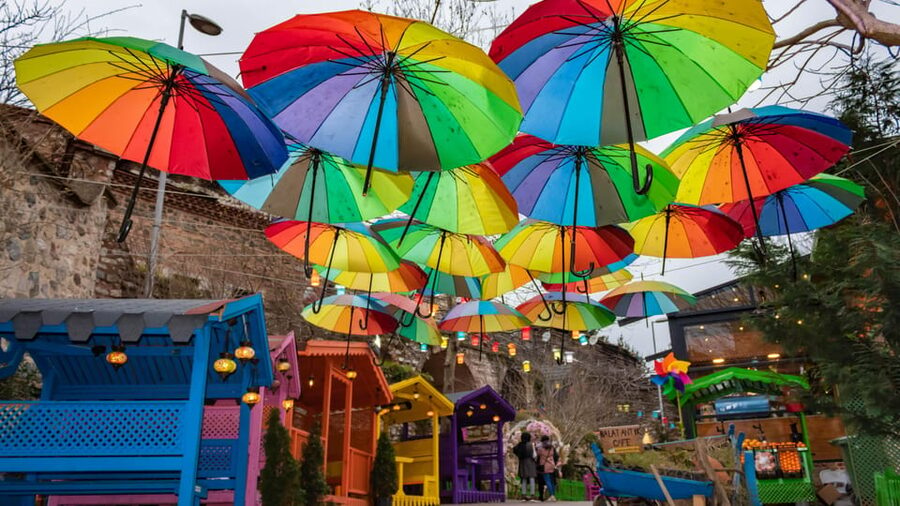
REVIEW · ISTANBUL OLD CITY WALKING TOURS
Istanbul: Colorful Fener & Balat Walking Tour w/Expert Guide
Fener and Balat hit different than the usual Istanbul. This 2-hour walk threads together Greek, Bulgarian, and Jewish Istanbul through places like the Iron Church and the Ahrida Synagogue, with an expert guide keeping the story clear as you move. I especially like how the tour balances big, named landmarks with everyday neighborhood details you would miss on your own.
One thing to plan for: you will be walking hills and uneven cobblestones, so comfortable shoes are not optional. It is also not wheelchair-friendly, and church dress rules (headscarf for women, plus covered legs and shoulders in some places) can affect how fast you get inside.
In This Review
- Key highlights in a sentence (so you can decide fast)
- Fener and Balat: the Istanbul you get when you step sideways
- Price check: why $18 can feel like a steal
- Meeting point at Balat Merkez Şekercisi, and how to not lose the group
- Walking reality: hills, cobblestones, and church dress rules
- Balat warm-up: from Muhtarligi stops to the colored houses
- Renkli Merdivenler photo stops: where the views earn their hype
- Fener transfer: Greek community landmarks you can actually picture
- Church of Saint Mary of the Mongols: a stop with a real date
- Phanar and school connections: seeing how a district becomes a community
- Panagia Paramythia and Sveti Stefan: how the tour handles multiple sacred sites
- Bulgarian Church, the Iron Church: cast-iron identity in Balat
- Ahrida Synagogue and St. George’s Cathedral area: faith side by side
- Turkish coffee finish: a simple ending with good momentum
- Who this tour suits best, and who should skip it
- Should you book this Fener and Balat walking tour?
- FAQ
- How long is the Fener and Balat walking tour?
- Where do I meet the guide?
- Is the tour offered in English?
- Are entrance fees included in the price?
- Do I need a headscarf?
- Is the tour wheelchair accessible?
- What should I bring, and is flash photography allowed?
Key highlights in a sentence (so you can decide fast)
- Iron Church in Balat: the famous cast-iron Bulgarian church, often called the Iron Church
- 1266 Church of Saint Mary of the Mongols: a deep-time stop in Fener
- Ahrida Synagogue: one of Istanbul’s older synagogues, with a feel that lingers
- Greek school and community stops: you see education and daily life, not just monuments
- Built-in breaks: photo time and short pauses make the pacing realistic
- Turkish coffee finish: a simple ending that helps the whole route sink in
The old city on foot, route by route
- Istanbul: Private Turkish Bath, Massage, and Spa in Old City★ 4.6 · 3,225 reviews
- Bosphorus Yacht Cruise Experience: Visit the Asian Side★ 5.0 · 2,251 reviews
- Istanbul Party Pub Crawl with Party Bus in Sultanahmet and Taksim★ 5.0 · 1,882 reviews
- Private Transfer from Istanbul Airport to Fatih, Beyoglu and Besiktas★ 5.0 · 1,793 reviews
Fener and Balat: the Istanbul you get when you step sideways
If you only aim at the headline sights, you miss a different Istanbul. Fener and Balat sit in a corner of the city where multiple communities have left their mark over centuries, and you can still feel that layered identity while you walk.
This tour is built for that kind of seeing. You do not just look up at buildings. You move street by street, learning what each place meant to the people who lived nearby.
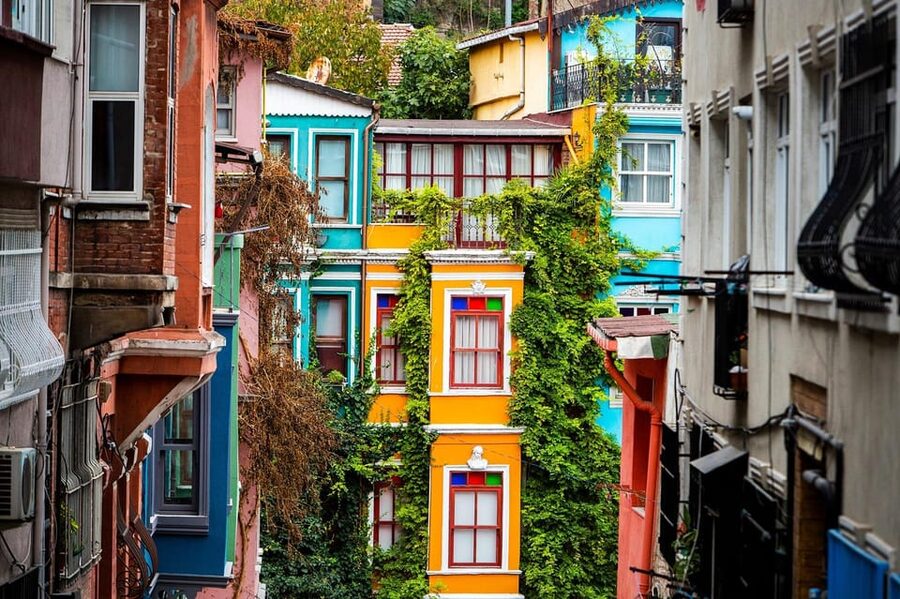
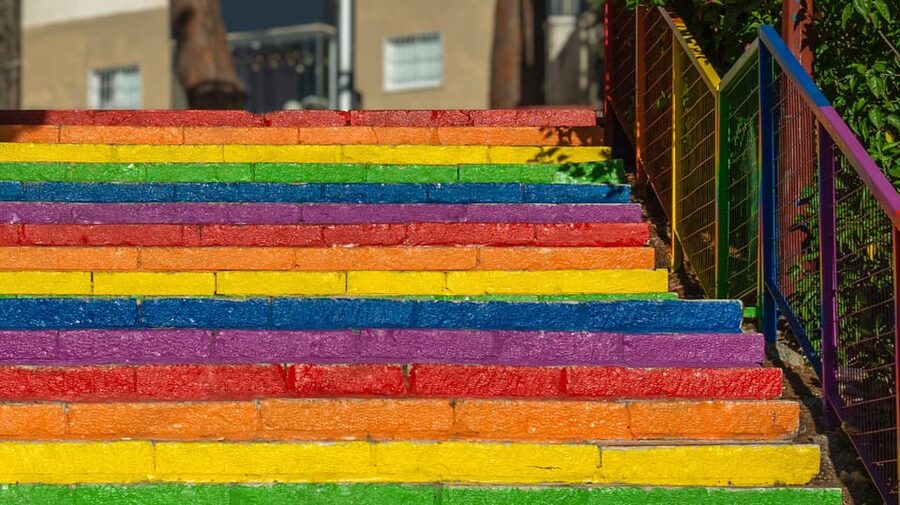
And yes, the streets deliver. The famous colorful stairways, old wooden houses, and small religious buildings create a route that feels like a living neighborhood, not a staged museum.
Price check: why $18 can feel like a steal
At $18 per person for a 2-hour guided walk, the best value is not the price tag. It is what comes with it: a professional English guide plus entrance fees to the stops that require tickets.
Many city tours ask you to pay extra once you arrive. Here, you are paying upfront for the guided experience and the access parts, and you skip the ticket line. For a short outing, that matters.
The tradeoff is also simple. Food and drinks are not included, so budget a snack or plan for a proper coffee break on your own after the tour finishes.
Meeting point at Balat Merkez Şekercisi, and how to not lose the group
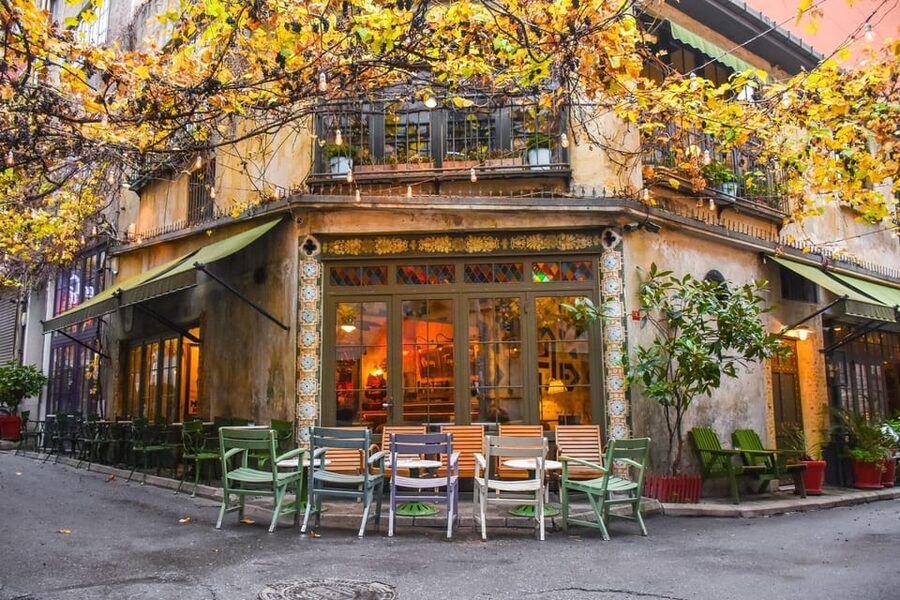
You meet in front of Balat Merkez Şekercisi. Look for the guide holding a flag with the Tourmania logo, so you can match your person to the right group right away.
This tour is short, and punctuality counts. If you show up more than 5 minutes late, the guide cannot wait, and once the walk starts the guide cannot help with late arrivals.
Bring your essentials because you are out walking the whole time. Comfortable shoes, water, and a hat help you keep a steady pace, especially if the weather turns.
Walking reality: hills, cobblestones, and church dress rules
This is a neighborhood walk, not a flat promenade. You will handle steep sections and cobblestones, so ankle comfort matters. If your feet get cranky easily, plan for slower steps and take the breaks when they are offered.
Dress rules can also slow you down, mostly at church entrances. A headscarf is required for women, and you may run into rules about covered knees and shoulders at some sites. One practical tip I picked up from experience with similar local visits is to wear clothing you can quickly adjust if someone asks you to cover up.
Flash photography is not allowed. That is common in working religious spaces, so use your camera like you would in a museum, without the bright bursts.
- Istanbul: Daytime or Sunset Sightseeing Cruise & Audio Guide
★ 4.8 · 14,430 reviews - Best of Istanbul 1, 2 or 3-Day Private Guided Istanbul Tour
★ 5.0 · 8,922 reviews - Istanbul: Basilica Cistern Fast-Track Entry and Audio Guide
★ 4.6 · 7,521 reviews - Istanbul: Hagia Sophia Skip-the-Line Ticket & Museum Option
★ 3.7 · 4,958 reviews - Istanbul: Hodjapasha Whirling Dervishes Show & Exhibition
★ 4.4 · 4,790 reviews
Balat warm-up: from Muhtarligi stops to the colored houses
The tour begins in Balat and gets you into the mood fast. You start near Balat Merkez Şekercisi, then move through the neighborhood with a mix of guided explanations and practical stops for photos.
One of the early beats is at Balat neighborhood Muhtarligi, where you will have a photo stop and a guided introduction. This kind of opener helps you understand the layout and the pace, instead of feeling lost as soon as the group starts walking.
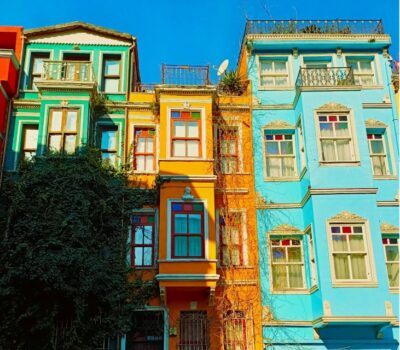
Then comes the Coloured Houses of Balat. This is where you really see why people come for the visuals, but the guide also turns that beauty into context. You learn how the area’s architecture and community history connect, not just what color the buildings are.
Renkli Merdivenler photo stops: where the views earn their hype
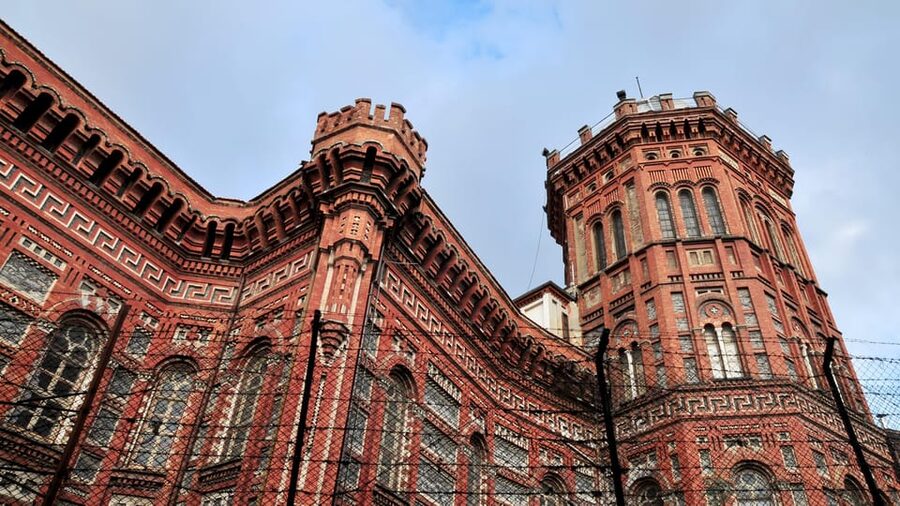
The Renkli Merdivenler (colored stairways) are one of the big “stop and shoot” moments, and for good reason. You get an instantly recognizable Istanbul scene, with layers of buildings rising and the street energy below it.
The tour gives you more than a 20-second photo window. There is a break time built in here, plus guided talk and time for sightseeing. That combination is underrated. It helps you take photos without feeling rushed, and it gives you a chance to breathe before the next uphill sections.
If you love street photography, this is a strong moment of the walk. If you do not, it still works because the guide uses the setting to explain how these neighborhoods developed and why the streets look the way they do.
Fener transfer: Greek community landmarks you can actually picture
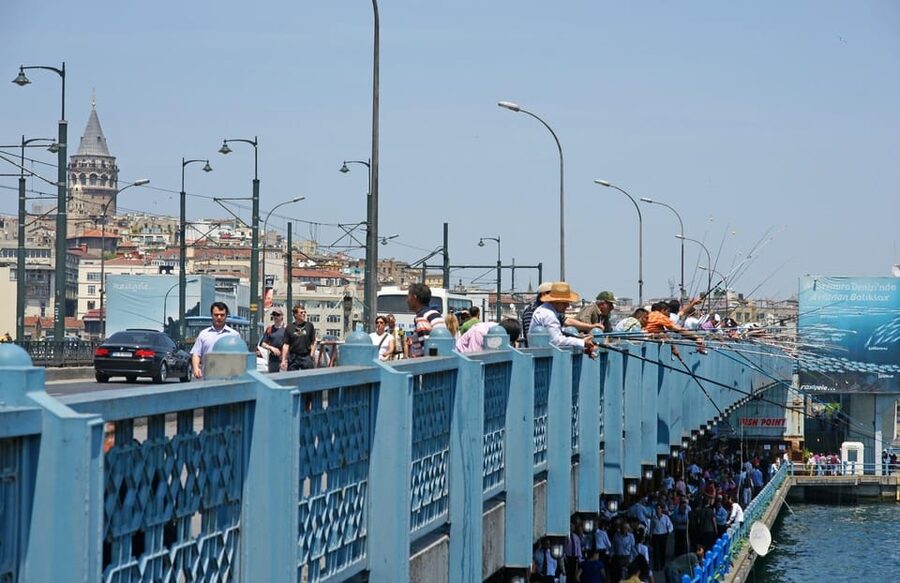
After Balat, the route shifts into Fener, and the story shifts too. Fener is where you see more Greek Orthodox presence in the landmarks, with buildings that point to both faith and community life.
One stop centers on the area tied to Dimitrie Cantemir, including the Dimitrie Cantemir Museum Cafe. You get photo time and a guided visit, and it helps anchor the tour in broader Balkan and Ottoman-era connections, not just local street-level scenes.
There is also a look at Special Fener Greek High School. This is not only about a building. It is about seeing how education and community identity fit into the neighborhood fabric.
The tour keeps moving with a sensible pace, and you get pauses that help you stay comfortable. Several guides mentioned in feedback, like Hüseyin, Can, Emre, and Furkan, are praised for making the explanations clear and answering questions as you go.
Church of Saint Mary of the Mongols: a stop with a real date
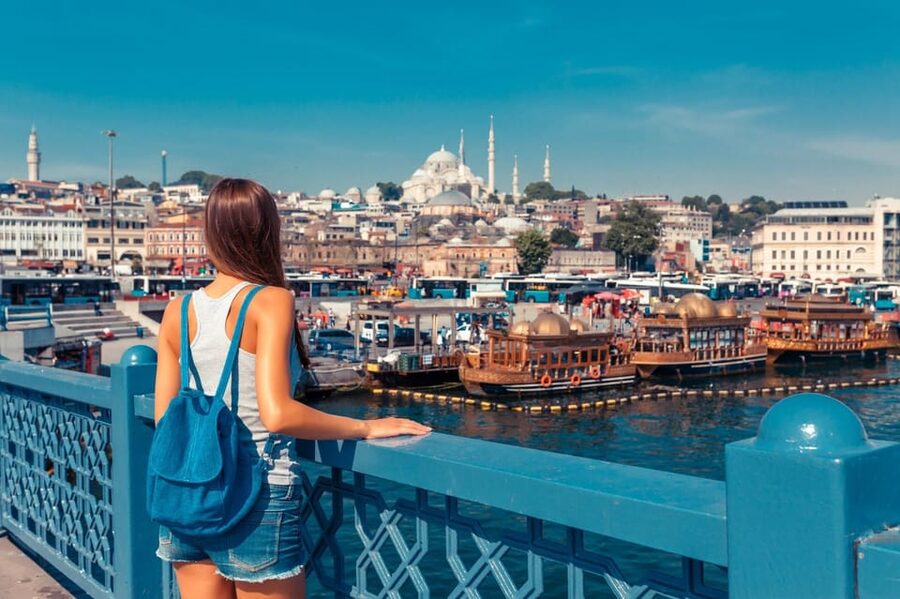
Next up is one of the most historically specific stops on the route: the Church of Saint Mary of the Mongols, built in 1266. A date like that changes the feel of the walk. It turns colorful streets into a timeline you can hold onto.
Here is the practical value. When you know the age and origin of a place, your eye starts looking at details differently. You stop thinking only about the exterior and you start understanding why the church sits where it does and what it represents to the community.
This is also a good moment to slow down and listen. Religious sites often have rules around entry and behavior, and your guide will help you navigate what is allowed.
Phanar and school connections: seeing how a district becomes a community
You also pass the Phanar Greek Orthodox College. The Phanar area name shows up in Istanbul history, and seeing the educational institutions gives you a grounded reason why.
It is easy to treat Istanbul districts like labels on a map. This tour helps you see districts as systems, with churches, schools, and everyday buildings connected to community continuity.
The guided pacing matters here. You are close enough to take photos and ask questions, but not so packed that you feel like you are just herded from door to door.
Panagia Paramythia and Sveti Stefan: how the tour handles multiple sacred sites
You will also make time around Panagia Paramythia Church and Sveti Stefan Church. These stops fit the tour’s bigger theme: Istanbul’s religious architecture is not one story. It is several stories, overlapping in space.
The tour includes photo stops and guided visits at these points, and in at least one place you will have a short free time block. That free time is useful because you can look around at your own speed, rather than holding your attention only for the guide.
One consideration: sacred spaces can have strict entry behavior. Keep your shoulders and knees covered when visiting churches, and be respectful with timing and movement.
Bulgarian Church, the Iron Church: cast-iron identity in Balat
Balat’s most iconic religious landmark is the Bulgarian Church, also called the Iron Church. The nickname comes from its cast-iron structure, and the look of the building is unlike most of what you will see nearby.
This is one of the stops where the guide’s explanations are especially important. Without context, you might just think you found a striking building. With the guide, you understand why the structure matters and how it connects to community history in Balat.
It also makes a great photo moment, but do not rush it. The church is an “up close” subject. Take a few minutes, rotate your position, and get shots from different angles while keeping in mind the no-flash rule.
Ahrida Synagogue and St. George’s Cathedral area: faith side by side
The tour’s ending stretch is where it starts to feel like a checklist of historic faiths, but it does not feel clinical. You are moving within the same district energy, and the guide keeps tying what you see to the broader neighborhood story.
You pass the Ahrida Synagogue, one of Istanbul’s oldest synagogues, dating back to the 15th century. Even if you do not go inside, the stop matters because it represents a long Jewish presence in the city. It is a reminder that Istanbul’s religious map is layered and deeply historical.
Then there is St. George’s Cathedral, Istanbul, with a photo stop and guided visit, plus free time. That free time is helpful for regrouping and taking a few final photos before you head back.
Turkish coffee finish: a simple ending with good momentum
The tour ends with a cup of Turkish coffee. It might sound like a small detail, but it helps you reset after a lot of walking and a lot of names.
This is a good moment to think about what you want next. If you came for photos, you can review your shots with the guide’s context in mind. If you came for history, coffee is a natural pause that turns “facts you heard” into “things you remember.”
Also, because food and drinks are not included during the tour, this coffee finish is a nice built-in treat. You get the taste of local routine without having to hunt for it mid-walk.
Who this tour suits best, and who should skip it
This tour is ideal if you want Istanbul beyond the standard loop. You like religious architecture, street views, and learning how different communities shaped the city.
It also suits you if you enjoy a guide who can answer questions as you go. Many guides are described as friendly, patient, and strong at explaining the story behind each stop, including names like Hüseyin, Can, Emre, Furkan, and Beritan.
Skip it or rethink your plan if you have mobility limitations. It is not suitable for wheelchair users, and the hills and cobblestones can be tough even for fit walkers.
If your schedule is tight, the 2 hours is a real advantage. You get a concentrated look at two districts without losing an entire morning or afternoon.
Should you book this Fener and Balat walking tour?
Yes, if you want a high-value, short walk that makes Istanbul’s multicultural past feel real. For $18, the combination of a live English guide, entrance fees included, and ticket line skipping is a strong bargain, especially in a city where small guided pieces can cost far more.
I would book it if you like practical guidance. The tour is designed to keep you moving at a reasonable pace, with built-in breaks, and it hands you the key landmarks in a way that is easier to remember than wandering alone.
I would think twice only if you hate steep cobblestones or if church dress rules would be a hassle. If you can handle walking and plan your outfit, you will likely come away with a sharper mental map of Istanbul and a few photos you can tell stories with.
FAQ
How long is the Fener and Balat walking tour?
The tour lasts 2 hours.
Where do I meet the guide?
Meet in front of Balat Merkez Şekercisi. The guide holds a flag with the Tourmania logo.
Is the tour offered in English?
Yes, the live tour guide speaks English.
Are entrance fees included in the price?
Yes, entrance fees are included.
Do I need a headscarf?
A headscarf is required for women.
Is the tour wheelchair accessible?
No, it is not suitable for wheelchair users.
What should I bring, and is flash photography allowed?
Bring comfortable shoes, a hat, a camera, water, and a headscarf. Flash photography is not allowed.
Walking the Old City, Other Routes





Recently reviewed in Istanbul

The rest of Istanbul Old City Walking Tours.
 ★ 4.6Istanbul: Private Turkish Bath, Massage, and Spa in Old CityFrom $533,225 reviews
 ★ 4.5Antalya/Kemer: Old City, Waterfalls, Olympos Cable Car, BoatFrom $292,896 reviews
 ★ 5.0Bosphorus Yacht Cruise Experience: Visit the Asian SideFrom $602,251 reviews
 ★ 5.0Istanbul Party Pub Crawl with Party Bus in Sultanahmet and TaksimFrom $311,882 reviews
 ★ 5.0Private Transfer from Istanbul Airport to Fatih, Beyoglu and BesiktasFrom $601,793 reviews
 ★ 4.9Istanbul: Fener Balat Half-day Guided Walking TourFrom $201,711 reviews
 ★ 5.0Bosphorus Yacht Cruise with Stopover on the Asian Side – (Morning or Afternoon)From $481,657 reviews
 ★ 4.5Bosphorus Explorer: 3-Hour Cruise with Asian Side VisitFrom $121,195 reviews
Also filed under