
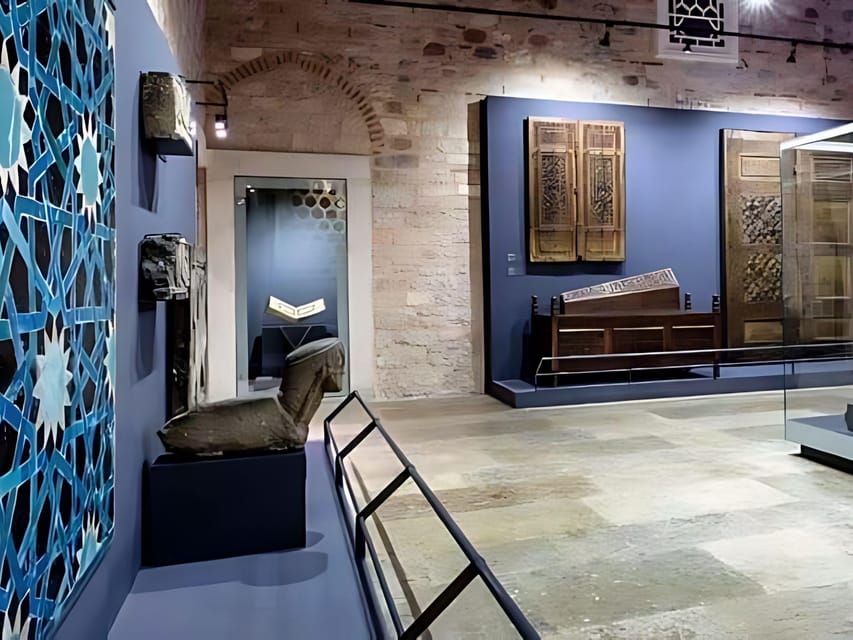
REVIEW · AUDIO TOURS
Turkish and Islamic Arts Museum: Entry Ticket & Audio Guide
Carpets here tell stories. The Turkish and Islamic Arts Museum sits in the historic Ibrahim Pasha Palace, and you’ll see how Islamic art moves from manuscript pages to woven designs, with a skip-the-line QR ticket.
I also love the museum’s focus on hands-on craft, especially the carpet and rug rooms with clear examples across eras. And the 25-language audio guide makes it easier to follow themes as you move through calligraphy, ceramics, glasswork, and metalwork.
One thing to consider is the tech side. If you try to download the audio guide at the last minute, phone security or weak WiFi can get in the way, so I suggest getting the guide ready before you arrive.
In This Review
- Key things to know before you go
- Entering the Museum Without Fighting Istanbul’s Crowds
- Getting There Fast: Tram and Ferry Options
- Skip-the-Line QR Ticket: What It Helps With (and What It Does Not)
- Your 25-Language Audio Guide, and How to Avoid Day-Of Glitches
- Carpets and Rugs: Where the Museum Teaches You to Look
- Manuscripts, Calligraphy, Ceramics, Glasswork, and Metalwork
- The Ibrahim Pasha Palace Rooms: Why the Building Matters
- Religious Relics: Beard Fragment and a Footprint
- Time and Value: Is $28 Worth Your Day?
- Who This Experience Fits Best
- Should You Book This Ticket and Audio Guide?
- FAQ
- Where is the Turkish and Islamic Arts Museum located?
- What historic building is the museum inside?
- Is there a skip-the-line QR ticket?
- Can I skip security lines?
- What is included in the ticket price?
- What is not included?
- How do I receive my ticket and audio guide?
- How many languages are available in the audio guide?
- What’s the duration and validity?
- What is the cancellation policy?
Key things to know before you go

- Ibrahim Pasha Palace setting: this museum is inside a famous 16th-century landmark near Sultanahmet Square.
- Skip-the-line QR ticket, not security: you can skip the ticket line, but security lines still apply.
- Audio guide comes by email: you receive both entry QR codes and the audio guide link via separate emails.
- Carpets and rugs are the star: look for examples running from Seljuk designs to Ottoman masterpieces.
- Religious relics are part of the collection: you can see fragments tied to the Prophet Muhammad, including a beard fragment and a footprint.
- 25 languages are available: English and many other major languages, including Arabic and Persian.
Undecided? These Istanbul tours came up most often in the review pile.
- Istanbul: Bosphorus Dinner Cruise & Show with Private Table★ 4.8 · 44,561 reviews
- Istanbul: Daytime or Sunset Sightseeing Cruise & Audio Guide★ 4.8 · 14,430 reviews
- Istanbul: Bosphorus Dinner Cruise with Turkish Night Show★ 4.8 · 10,127 reviews
- Best of Istanbul 1, 2 or 3-Day Private Guided Istanbul Tour★ 5.0 · 8,922 reviews
Entering the Museum Without Fighting Istanbul’s Crowds
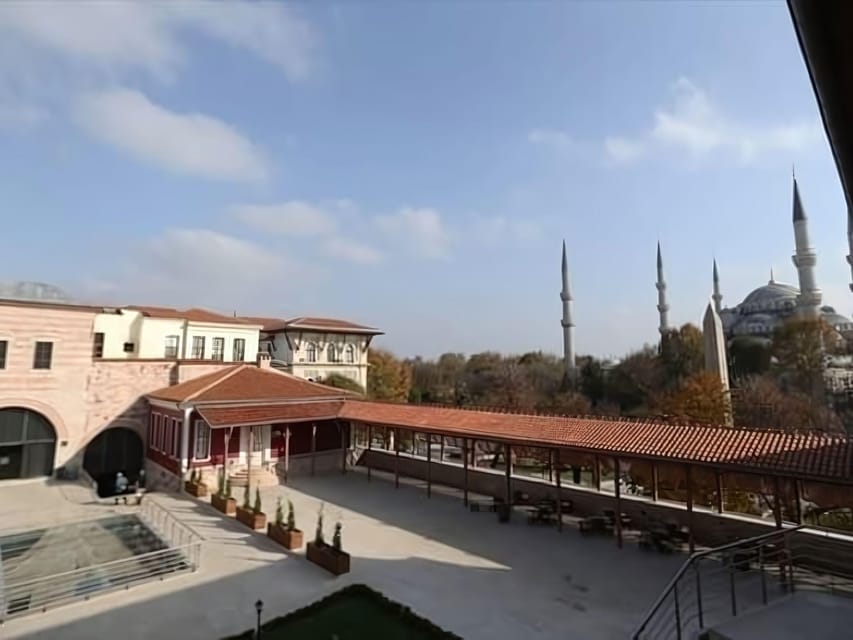
The Turkish and Islamic Arts Museum is in Sultanahmet Square, very close to the Blue Mosque in Fatih. This area is one of the easiest parts of Istanbul for getting around because it’s packed with both locals and visitors.
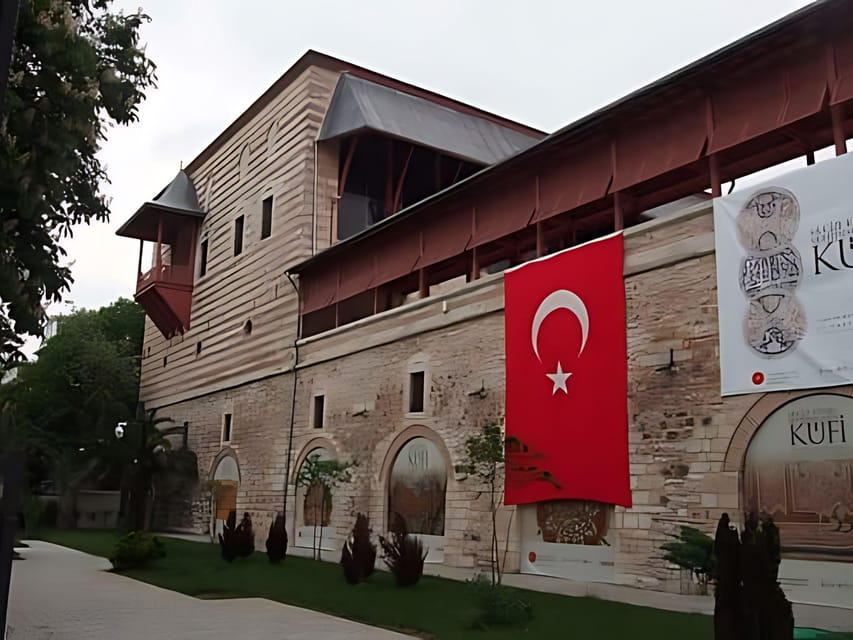
The museum is inside the Ibrahim Pasha Palace, a well-known 16th-century building. That matters because it changes how the exhibits feel. You are not just walking through rooms with objects, you’re moving through historic space that helps you understand why Islamic art was collected and displayed in the first place.
If you want a smooth start, plan to arrive with a little buffer. The entrance can have a line, and everyone still goes through required security checks.
Getting There Fast: Tram and Ferry Options
From the European side, one simple route is using the Kabatas to Bagcilar tramway. Get off at Sultanahmet station, then plan about a 5-minute walk to the museum area.
If you’re starting from the Asian side, you can use ferries to Eminonu, from Kadikoy or Uskudar. From Eminonu, it’s typically much easier to connect into the Sultanahmet area compared with trying to brute-force a cross-city route.
I like these options because they match how Istanbul actually works. You spend less time stuck in transit and more time in the museum, where the audio guide is designed to help you keep momentum.
Skip-the-Line QR Ticket: What It Helps With (and What It Does Not)
This ticket is built around a skip-the-line QR code. In practical terms, that means you should have an easier entry process for the ticket check.
But here’s the key limitation: you can’t skip security lines. The information also notes that you may still find a line at the entrance, and it’s mandatory for all visitors.
To make the QR work smoothly, you need your codes ready on your phone. You’ll receive both the entry ticket QR codes and the audio guide link by separate e-mail from the supplier named Istanbul Tourist Pass.
If you tend to arrive with a drained battery, do a quick power check before you leave your hotel. Istanbul is full of charging options, but the museum area moves fast, and you’ll feel calmer when the ticket is ready to scan.
Your 25-Language Audio Guide, and How to Avoid Day-Of Glitches
The audio guide is included, and it’s available in 25 different languages. The languages listed are: English, German, Russian, Persian, Arabic, French, Italian, Chinese, Dutch, Spanish, Hindi, Romanian, Ukrainian, Korean, Turkish, Bulgarian, Polish, Swedish, Japanese, Indonesian, Greek, Hungarian, Portuguese, Urdu, and Croatian.
That’s a huge deal because Islamic art has deep regional styles and lots of specific terms. A guide in your language helps you connect objects to themes, instead of just seeing them as beautiful things behind glass.
One practical warning comes from real-life experience with downloads. If you buy a ticket for the same day and only then try to download the guide, Apple security features can block downloads. You can end up stuck without WiFi inside the museum, unable to use the guide as intended.
So do yourself a favor: get the audio guide ready before you step into the museum area. If you can, download it while you still have a reliable connection, and test that your device can open the link. It turns the visit from stressful into smooth.
- Istanbul: Daytime or Sunset Sightseeing Cruise & Audio Guide
★ 4.8 · 14,430 reviews - Best of Istanbul 1, 2 or 3-Day Private Guided Istanbul Tour
★ 5.0 · 8,922 reviews - Istanbul: Basilica Cistern Fast-Track Entry and Audio Guide
★ 4.6 · 7,521 reviews - Istanbul: Hagia Sophia Skip-the-Line Ticket & Museum Option
★ 3.7 · 4,958 reviews - Istanbul: Hodjapasha Whirling Dervishes Show & Exhibition
★ 4.4 · 4,790 reviews
Carpets and Rugs: Where the Museum Teaches You to Look
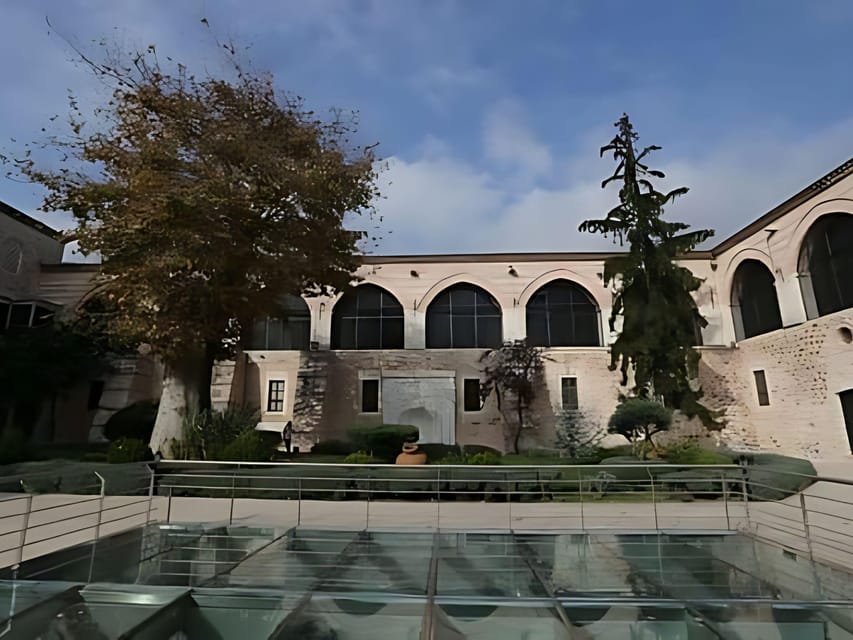
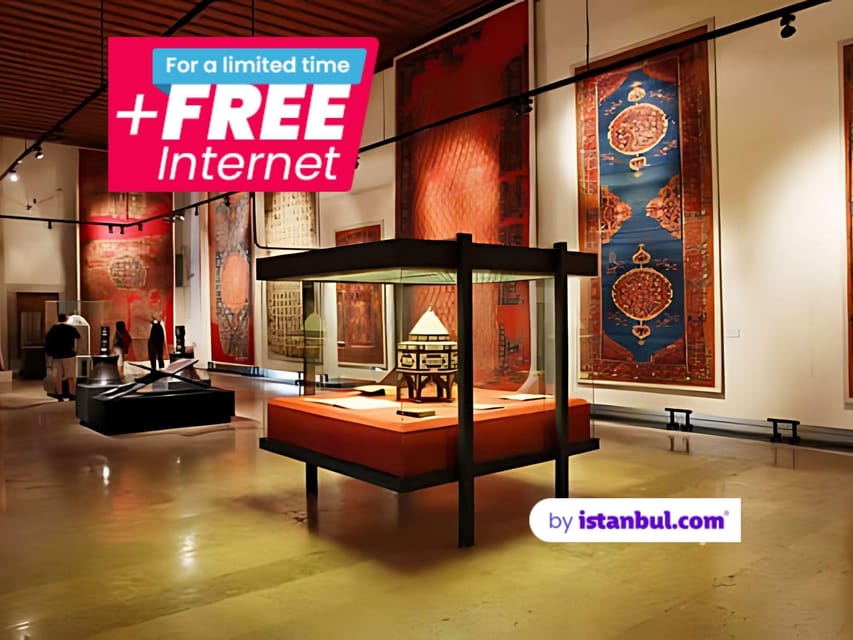
If you’re only going to like one part of the Turkish and Islamic Arts Museum, make it the carpet and rug collection. The museum’s collection leans hard into textiles, and it shows why this art form matters.
You’ll see intricate patterns, bold colors, and design logic that repeats across time. The display is organized in a way that helps you compare eras. That includes examples linked to Seljuk design traditions and then later Ottoman masterpieces, so you can see how motifs and styles evolve.
I like this section because carpets are the kind of art you can understand with your eyes. Even without a background, you can track geometry, symmetry, and repeating motifs as you move around.
Pro tip: slow down for the rugs. The temptation is to rush through because the room feels full. Give each one a few minutes to notice the pattern structure, then read the audio track. You’ll get more meaning out of each object.
Manuscripts, Calligraphy, Ceramics, Glasswork, and Metalwork
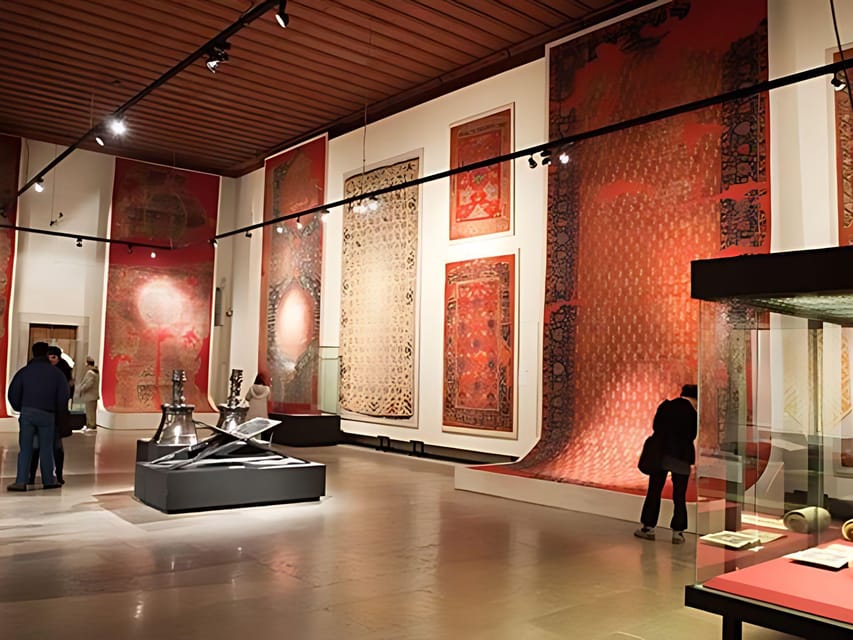
After textiles, the museum shifts into a broader sweep of Islamic artistic disciplines. You can expect sections built around calligraphy, ceramics, glasswork, and metalwork.
There are also artifacts connected to ancient manuscripts and other cultural materials. The goal is not just to show objects, but to show how art traveled across materials, trade, and time. When you compare writing, pottery, metalwork, and glass, you start noticing shared artistic ideas, like the same attention to line and form.
The museum also includes beautiful wooden relics. That’s a good sign because it tells you the collection isn’t limited to what survives easily or what’s easiest to display. You get a fuller sense of everyday craft and ceremonial objects.
The audio guide helps here most. It can connect why you’re seeing a specific style and what time period or cultural idea it connects to. Without that, you might still enjoy the rooms, but you’ll miss the “how to read” part.
The Ibrahim Pasha Palace Rooms: Why the Building Matters
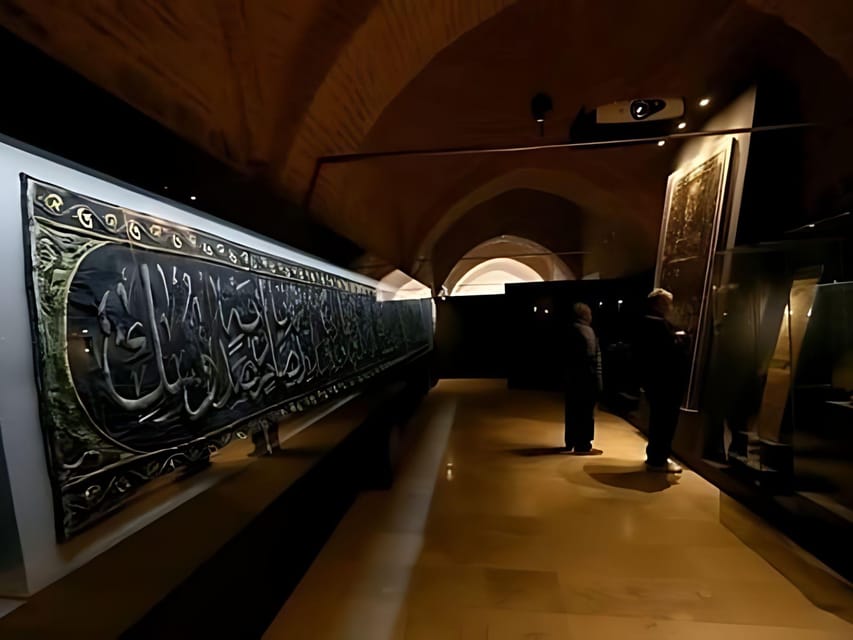
Because this museum is housed in the Ibrahim Pasha Palace, the experience feels different from a modern museum box. You are walking through historic architecture while looking at historical collections, and the mood matches the artifacts.
This matters especially for Islamic art, which often relies on careful composition and pattern thinking. Palace spaces naturally support that kind of observation. Even if you are not a palace-history person, you’ll feel the difference in how the rooms guide your attention.
Also, since Sultanahmet is close to major landmarks, you’re likely to visit in the same day as other sites. The palace setting gives you a “break” from outdoor sightseeing and helps you reset.
Religious Relics: Beard Fragment and a Footprint
One of the most striking parts of this museum is the presence of religious relics. The collection includes fragments associated with the Prophet Muhammad, including a fragment of his beard and a footprint.
For many visitors, this section becomes more than visual appreciation. It’s about context, meaning, and the way religious history can become part of museum collections.
I recommend using your audio guide for this portion first, then looking again with slower eyes. Religious relics can feel overwhelming because the story is both personal and historically significant. The audio track is what turns a quick look into a respectful understanding.
If you are sensitive to religious artifacts, know this collection includes them and includes them prominently enough to become a notable highlight.
Time and Value: Is $28 Worth Your Day?
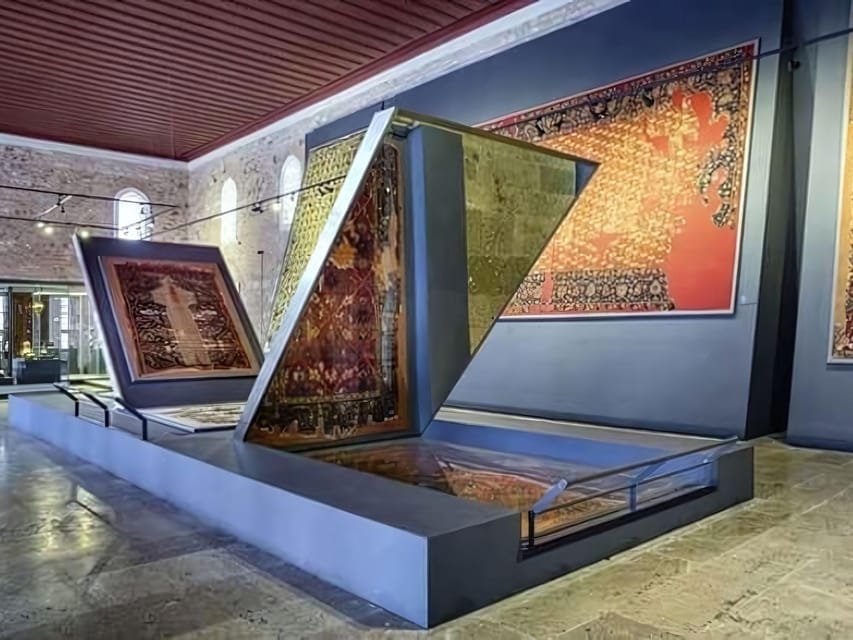
The price listed is $28 per person, and the duration is a 1 day ticket experience. On its own, that sounds like a straightforward museum price. The value comes from two added components: the skip-the-line QR ticket and the included audio guide in 25 languages.
That combination matters because it reduces friction. Skipping the ticket line helps you start sooner, and the audio guide helps you get meaning out of what you’re seeing. Instead of “I walked through rooms,” you get a more guided path, even without a live guide.
Is it worth it if you already have strong background knowledge? Maybe, but the audio guide still helps. Is it worth it if you want a self-paced museum with context? Yes. This setup is designed for people who like to move at their own pace.
Also note the rating shown with the experience is 4.2 out of 5 based on 19 reviews. That’s not perfect, but it’s a solid sign that most people find it worthwhile, especially when they handle the audio guide correctly.
Who This Experience Fits Best
This ticket fits best if you want a calm, self-paced visit with structure built in.
You’ll likely enjoy it if:
- You care about carpets and rugs and want to compare styles across eras.
- You like art categories like calligraphy, ceramics, glasswork, and metalwork.
- You want history context without joining a live group tour.
- You prefer a language-supported experience, with options from English to Arabic, Persian, Urdu, and more.
It may feel less ideal if you prefer guided storytelling from a person. This experience includes an audio guide, not a guided tour, so you’ll rely on the recordings.
Also, if you are traveling with an older phone that struggles with email links or downloads, prepare before the visit. The museum experience is strongest when the guide is ready.
Should You Book This Ticket and Audio Guide?
Book it if you want a self-guided way to see major Islamic art forms in a real 16th-century setting, and you value having an audio guide in your language. The $28 price is easier to justify when you use both parts: QR entry plus the audio guide that keeps your visit coherent.
Skip booking or at least plan carefully if you tend to rely on last-minute downloads. Get the audio guide link working before you arrive, and you’ll avoid the most common frustration tied to same-day device and connection issues.
In short, this is a smart choice for art and culture days around Sultanahmet, especially when you want meaning, not just photos.
FAQ
Where is the Turkish and Islamic Arts Museum located?
It’s located in Sultanahmet Square, close to the Blue Mosque in the Fatih district of Istanbul.
What historic building is the museum inside?
The museum is inside the Ibrahim Pasha Palace, a well-known 16th-century landmark.
Is there a skip-the-line QR ticket?
Yes. This experience includes skip-the-ticket-line entry using a QR code.
Can I skip security lines?
No. You cannot skip security lines, even though you can skip the ticket line.
What is included in the ticket price?
The experience includes an audio guide available in 25 languages. A guided tour is not included.
What is not included?
Guided tour service is not included, and transportation fees are not included.
How do I receive my ticket and audio guide?
You receive both the entry ticket QR codes and the audio guide link via separate e-mail from the supplier Istanbul Tourist Pass.
How many languages are available in the audio guide?
The audio guide is listed as available in 25 languages, including English, German, Russian, Persian, Arabic, French, Italian, Chinese, Dutch, Spanish, Hindi, Romanian, Ukrainian, Korean, Turkish, Bulgarian, Polish, Swedish, Japanese, Indonesian, Greek, Hungarian, Portuguese, Urdu, and Croatian.
What’s the duration and validity?
It’s valid for 1 day, with starting times based on availability.
What is the cancellation policy?
You can cancel up to 24 hours in advance for a full refund.
Recently reviewed in Istanbul



The rest of Audio Tours.
 ★ 4.8Istanbul: Daytime or Sunset Sightseeing Cruise & Audio GuideFrom $814,430 reviews
 ★ 4.6Istanbul: Basilica Cistern Fast-Track Entry and Audio GuideFrom $447,521 reviews
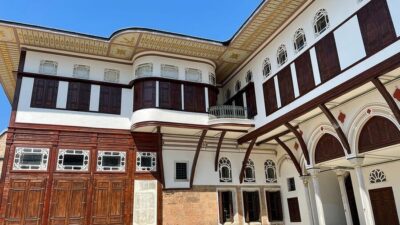 ★ 4.1Istanbul: Topkapi Palace & Harem Museum Ticket & Audio GuideFrom $613,977 reviews
 ★ 4.6Istanbul: Bosphorus Sightseeing Cruise Tour with Audio GuideFrom $82,694 reviews
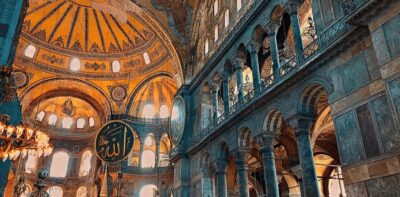 ★ 4.3Istanbul: Hagia Sophia Skip-the-Line Ticket and Audio GuideFrom $352,246 reviews
 ★ 4.4Istanbul: Hagia Sophia Skip-the-Line Ticket with Audio TourFrom $421,767 reviews
 ★ 3.9Istanbul: Bosphorus Cruise w/Audio Guide and Sunset OptionFrom $141,758 reviews
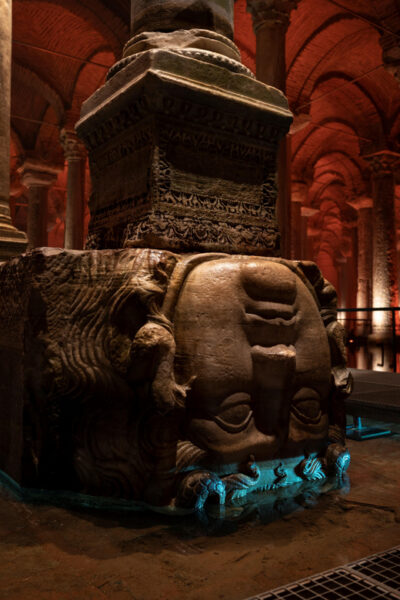 ★ 4.6Istanbul: Basilica Cistern Skip-the-Line Entry & Audio GuideFrom $711,477 reviews
Also filed under