
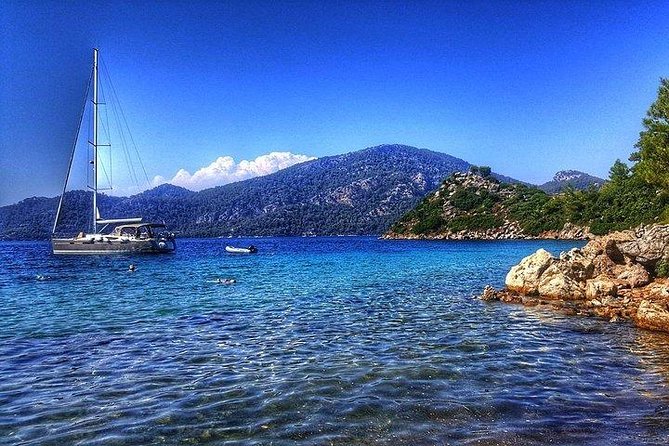
REVIEW · EPHESUS AND THE HOUSE OF THE VIRGIN MARY
Wonders of Turkey – Gulet: Istanbul, Cappadocia, Ephesus, Fethiye
Turkey works best when you mix big sights with slow time. This trip does both, with guided history on land and a small gulet cruise along the Turkish Riviera.
I especially like the way you get major names without feeling rushed every single minute. You spend serious time in Istanbul’s Old City, then you switch gears into swimming, snorkeling, and anchoring each night in the islands near Fethiye.
The main thing to consider is that extra costs and logistics do exist. There’s an on-the-spot entrance fee in cash, you’ll want to bring money for that, and during the gulet part there is no land guide riding with you, so you’ll be steering your own time in the ports.
In This Review
- Key moments you’ll remember
- Istanbul Old City, Blue Mosque to Bosphorus cruise
- Gallipoli WWI sites: ANZAC Cove and original trenches
- Troy and Behramkale, with the Troy Museum stop
- Ephesus, Ephesus Archaeology Museum, and a carpet village lesson
- Fethiye harbor to gulet boarding: Turunc Bay and Turzan Bay swim breaks
- Gocek and Hamam Bay Roman ruins, plus Lycian steps if you want them
- Fethiye island hopping to Red Island: more swims, less stress
- Pamukkale travertines and Hierapolis hot springs
- Konya along the Silk Road, with Sultanhani and Mevlana
- Cappadocia: Göreme Valley open air museum and underground city
- Ankara Anıtkabir, then back to Istanbul
- Price and what you should budget for real
- How pace and group size really feel day to day
- Should you book this gulet-and-history mix?
- FAQ
- How many nights do you spend on the gulet?
- Is meals on the gulet included?
- What entrance fees should I plan to pay?
- Who provides the guidance during the gulet portion?
- Where does the tour start and end?
- Is there a luggage limit?
Key moments you’ll remember
- Istanbul across two continents, with the Blue Mosque, Hagia Irene, Topkapi, and the Hippodrome in one guided sweep
- Gallipoli WWI battle sites, including ANZAC Cove and original trenches and tunnels
- Troy plus the Troy Museum and a village break in Behramkale
- Ephesus with the museum and carpet village, so the ancient site also comes with real context
- Turkish Riviera gulet life, private bathrooms in cabins, plus swimming and snorkeling most days
Other Ephesus visits, with and without the House of Mary
- 4 Days Turkey Tour – Cappadocia, Ephesus and Pamukkale Tour★ 5.0 · 138 reviews
- 6 Days Turkey Tour Cappadocia, Pamukkale, Ephesus, Gallipoli Troy★ 5.0 · 109 reviews
- Daily Ephesus & House of Virgin Mary from Istanbul – Small Group★ 4.0 · 95 reviews
- 7 Days Best of Turkey Tour: Istanbul-Cappadocia-Ephesus-Pamukkale★ 5.0 · 91 reviews
Istanbul Old City, Blue Mosque to Bosphorus cruise
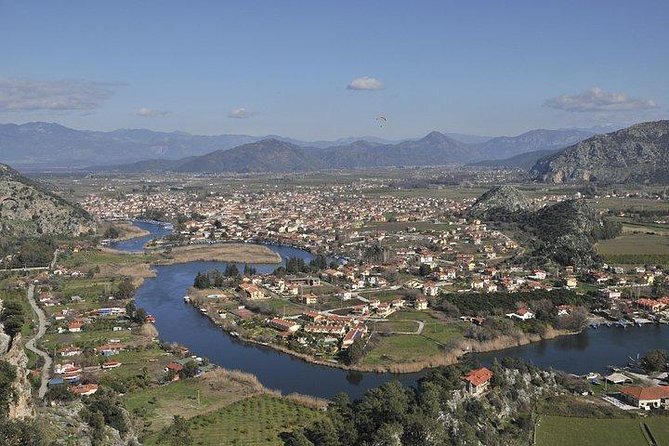
Your trip starts in Istanbul with a welcome meeting at the start point in the Galataport area. After that, Day 2 is classic first-day Istanbul, built around the sights in the Sultanahmet area.
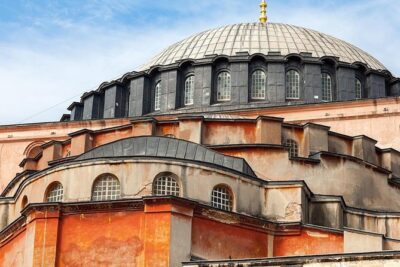
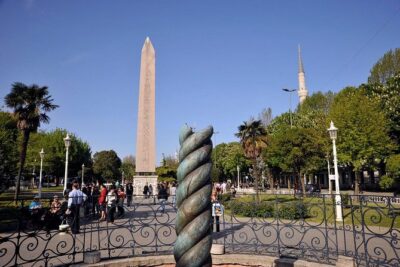
You’ll walk through the Blue Mosque, then continue to St Sophia Museum, Topkapi Palace including Hagia Irene, and the Hippodrome. This is one of those days where the guide helps you connect what you’re seeing, because each site has its own story and purpose. Even if you’ve seen photos, seeing these places in person is still the point, since the details and scale hit fast.
In the afternoon you get water time. There’s a cruise between Europe and Asia on the Bosphorus stretch, and the half-day option lets you shape that part of the day. For me, the best practical value of a Bosphorus cruise is perspective. From the water, you stop thinking of Istanbul as just a list of monuments and start understanding it as a city built around a strait.
What to watch: this is a day of walking plus indoor stops. Wear shoes you can trust. Also, plan your timing so you don’t feel stuck in the “museum shuffle” later in the week.
Gallipoli WWI sites: ANZAC Cove and original trenches
Day 3 heads to Gallipoli, and it’s not a sightseeing day in the normal sense. The route includes Lone Pine and Chunuk Bair Memorials, ANZAC Cove, and the Nek, plus original trenches and tunnels.
This part of the trip has weight. It’s emotionally touching, and that can make it harder to treat like a checklist. That’s also why it’s powerful: you’re not only seeing memorials, you’re seeing the terrain and remnants of the campaign. Sites like these often feel different depending on lighting and weather, so expect the day to feel slightly different each time.
You have about 7 hours on site, so you can absorb it without being yanked around every 10 minutes. Still, keep your energy in mind. If your plan is to do photos nonstop, you might miss some of the meaning. Let the quiet moments land.
Troy and Behramkale, with the Troy Museum stop
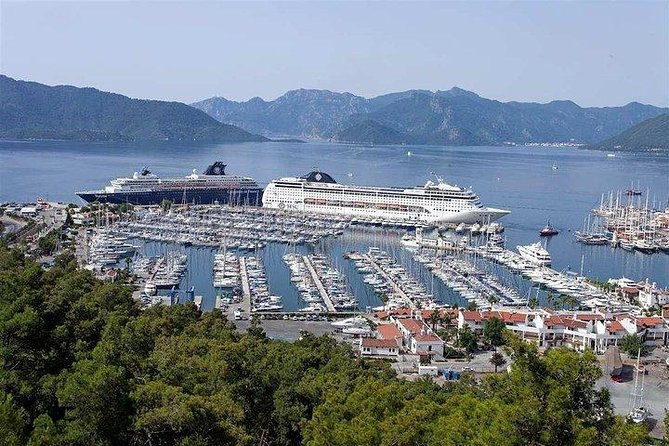
On Day 4 you move toward Troy. You visit the ancient city, a UNESCO World Heritage Site, then add the Troy Museum. That museum stop matters because it gives you a better handle on what’s real, what’s interpretation, and what archaeology can actually support.
From there, you go to Behramkale, a small village with stone houses and narrow streets. The practical value here is a break from big ruins mode. It gives you a chance to slow down, look around like a normal visitor, and even pause for Turkish tea or coffee at a local café if you want.
Then you continue to Kuşadası for the next phase. If you’re the type who hates long travel days, pace yourself here. The payoff is that the day isn’t only driving to ruins, it’s ruins plus museum plus a genuine village interlude.
Ephesus, Ephesus Archaeology Museum, and a carpet village lesson
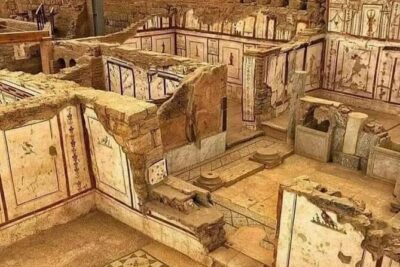
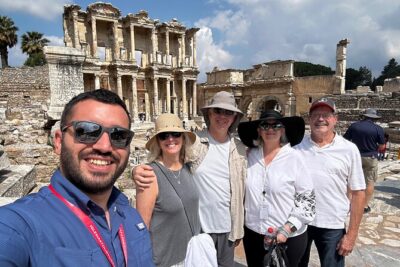
Day 5 is one of the biggest “see-it-and-feel-it” history days. You get a guided tour of Ephesus, visiting stops like the Temple of Artemis, the Library of Celsus, and the impressive amphitheater. You’ll also spend time at the Ephesus Archaeology Museum, where artifacts help bring the city’s story to life.
Then the day adds two things that improve the value beyond the main site:
1) the carpet weaving experience at a carpet village, where you learn how carpets are made by hand and what affects their value
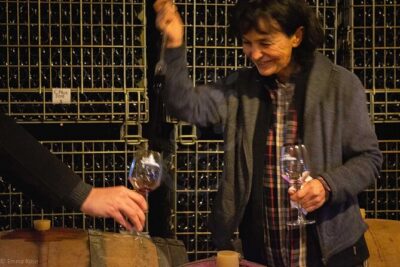
2) a wine tasting stop in Selçuk with three local wines
This is a smart mix. It reminds you that ancient places weren’t just temples and theaters. People lived, worked, traded, and made goods, and the carpet craft is one of the living continuations you can actually observe.
What to watch: Ephesus takes time and involves walking on uneven stone. Bring a water bottle and plan for sun exposure. And if you like shopping, don’t overbuy early. You’ll likely see more later.
- Istanbul: Daytime or Sunset Sightseeing Cruise & Audio Guide
★ 4.8 · 14,430 reviews - Best of Istanbul 1, 2 or 3-Day Private Guided Istanbul Tour
★ 5.0 · 8,922 reviews - Istanbul: Basilica Cistern Fast-Track Entry and Audio Guide
★ 4.6 · 7,521 reviews - Istanbul: Hagia Sophia Skip-the-Line Ticket & Museum Option
★ 3.7 · 4,958 reviews - Istanbul: Hodjapasha Whirling Dervishes Show & Exhibition
★ 4.4 · 4,790 reviews
Fethiye harbor to gulet boarding: Turunc Bay and Turzan Bay swim breaks
Day 6 is when the trip changes from land tour to sea days. You travel to Fethiye, then board the gulet around 15:00.
This ship is a traditional wooden yacht with 16 cabins and private bathrooms. Most cabins are for two people, and the trip maximum is 16 passengers total. That small size matters because it keeps the vibe calmer. You’re not fighting crowds for a deck chair or scrambling for the best view of a cove.
After you set sail, the plan includes swimming and snorkeling in Turunc Bay or Tarzan Bay, then cruising past islands toward Tersane Island, also known as Dockyard Island. The focus here is water and coastal scenery, with time to explore at stops when the ship docks or anchors.
What to watch: snorkeling depends on your comfort in the water and conditions, which the itinerary can’t fully control. Bring your own swim gear if you have preferences, and keep your sun protection handy for deck time.
Also note the big practical detail: during the gulet section, the land tour guide does not accompany the group. That’s normal for many cruise-style tours, but it means you’ll rely more on the crew and your own curiosity while in ports.
Gocek and Hamam Bay Roman ruins, plus Lycian steps if you want them
Day 7 continues the cruise with anchors and swims. You head for Hamam Bay, and you get a swim at ancient Roman Baths built by Mark Antony as a gift for Cleopatra.
That’s a fun type of history because it’s physical. You’re not just reading inscriptions. You’re getting a view of the ruins in context, surrounded by sea and shoreline.
From Hamam Bay you cruise to Sarsala Bay, pine-surrounded, and you get the option of a 45-minute hike to an ancient Lycian town, known for inscribed walls from the 3rd century BC. This hike is for the people who like walking with a purpose. If you’d rather swim and rest, that’s also a valid plan.
Next stops include Bedri Rahmi Bay, followed by another swim or exploration option. This is how the gulet days work: lots of short choices that let you match the pace to your mood.
Fethiye island hopping to Red Island: more swims, less stress
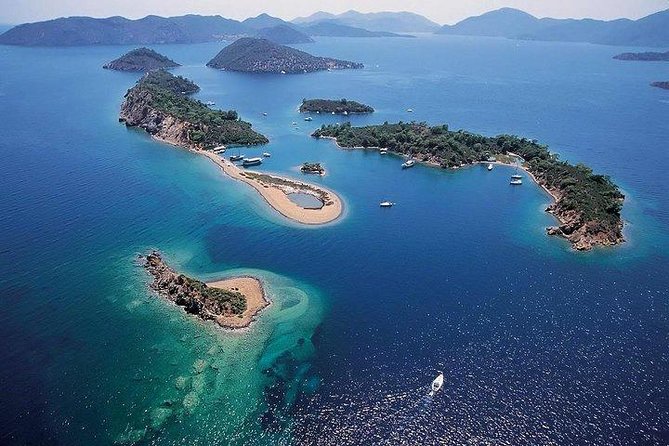
Day 8 keeps the coast feel. You cruise toward Fethiye, passing the Yassica Islands and Gocek Islands. Many are small and un-named, with safe anchorage and secluded sandy beaches.
Those un-named places are why gulet cruising can feel special compared to bus tours. Even if you never step far from the boat, you still get those quiet coves where the sea looks different than it does at the main marinas.
You finish with a stop and swim at Red Island before returning to Fethiye.
What to watch: because these islands are smaller, facilities can be limited. If you’re the type who likes planning snacks and water, keep basics with you onboard.
Pamukkale travertines and Hierapolis hot springs
Day 9 is a full-change day, moving from sea to one of Turkey’s most distinctive natural sights. You visit the white calcium terraces at Pamukkale, known as travertines, then tour the ancient city of Hierapolis.
You also get time for a dip in the hot springs, used in Roman times, including a swim in pools among ancient columns.
This is the kind of stop where timing matters. The light and the feel of the terraces can look completely different depending on the day, so don’t rush it to the next photo. Spend a little time looking from different angles.
Practical note: travertines can be slippery and hot. Wear shoes if you’re unsure, and plan for getting wet. Also, bring a towel if you have it in your packing routine, since water-based days add to your gear.
Konya along the Silk Road, with Sultanhani and Mevlana
Day 10 turns toward the Silk Road story. You visit Sultanhani Caravanserai, then stop at the Mevlana museum in Konya.
Caravanserais are practical history. They were built to shelter travelers and commerce, and you can often sense the rhythm of travel just by standing in these spaces.
You can also add an optional traditional Turkish folklore evening. Even if you skip it, the day still delivers cultural contrast after the sun and stones of the coastal and desert zones.
What to watch: museum time can be more sitting than you expect. If you’re tired from earlier walking days, schedule a calmer evening and keep your next day’s energy for Cappadocia.
Cappadocia: Göreme Valley open air museum and underground city
Day 11 is Cappadocia time. You visit the Göreme Valley Open Air Museum and see fairy chimneys. You also explore an underground city.
This combination is a good way to understand Cappadocia. The open air museum gives you the sky and rock churches. The underground city reminds you these were also lived-in shelters.
What I like about this setup is that it balances awe with logic. Even if you find yourself staring at chimneys for ages, the underground visit brings the question back to how people actually survived here.
What to watch: Cappadocia days can be cool early and warmer later. Dress in layers so you don’t cook or freeze while moving between viewpoints.
Ankara Anıtkabir, then back to Istanbul
On Day 12 you go to Ankara early, the nation’s capital. You visit Anıtkabir, the mausoleum of Mustafa Kemal Ataturk, then return to Istanbul.
This stop is important even if your interest in modern Turkish history is casual. Anıtkabir is a landmark built to communicate meaning, and seeing it on the way back closes the loop of Turkey’s stories, from ancient sites to modern identity.
Then Day 13 wraps the trip after breakfast, ending back at the meeting point.
Price and what you should budget for real
The tour price is $2,356.81 per person for about 13 days. That price is largely about the mix of ground transport plus guided sightseeing plus the gulet component, which is usually the cost driver on trips like this.
Here’s what to budget in addition, based on what’s explicitly listed:
- Entrance fee payable on the spot in cash: €240.00 per person
- Tips for captain and gulet crew, plus tips for driver, guide, gulet captain, and crew
- Alcoholic drinks are available to purchase, not included
- Suggested optional activities
- Optional meals are listed as optional in the inclusions, so confirm what’s covered versus add-ons in your exact booking notes
The good news is that many core experiences are included: 3 nights on board the gulet, air-conditioned vehicle for the land part, a professional English-speaking tour guide for the land section, and wine tasting with 3 local wines. Also, the trip states that all meals are included on the gulet, which is a strong value for time and convenience.
One more practical point: the tour includes “Mobile ticket,” which usually means fewer paper items to manage. Still, keep your passport copy requirement in mind. You’ll need to provide a copy or image at booking time.
How pace and group size really feel day to day
This is a small-group style tour, capped at 16 passengers. The gulet itself holds up to 16 passengers, and there are 16 cabins with private bathrooms. That’s not a huge ship, so you should expect a more relaxed feel on deck and during anchoring.
You also get one clear structural trade-off:
- Land has a professional English-speaking guide
- The gulet section has no land guide accompanying the group
So on the cruise days, you’ll interact more with the skipper and crew, and you’ll be responsible for your own plans in ports. The upside is freedom. The downside is that you might want to rely on the crew for small questions, and not every moment will be pre-interpreted for you.
There’s also a weather reality. The experience requires good weather, and if the gulet cruise is canceled due to poor weather, the operator offers a different date or a full refund. The captain can also decide the program at the time, so you should expect small itinerary adjustments.
And pack light. You’re allowed a maximum of 1 suitcase and 1 carry-on bag. Oversized items like surfboards, golf clubs, or bikes may face restrictions.
Should you book this gulet-and-history mix?
Book it if you want Turkey with two speeds: guided history on land, plus actual sea time where swimming and snorkeling are part of the rhythm. The combination of Istanbul, Gallipoli, Troy, Ephesus, Pamukkale, and Cappadocia is ambitious, and the gulet days help break up the intensity so you don’t feel like you’re only chasing monuments.
Think twice if:
- you dislike cash-on-arrival entrance fees and prefer a totally all-in price
- you hate the idea of no guide during the gulet section
- you want a perfectly locked itinerary, since the captain can adjust the sea program and the cruise needs good weather
If you like authentic, small-ship cruising and you’re comfortable with a guided land schedule plus self-guided downtime on the water, this is a strong fit.
FAQ
How many nights do you spend on the gulet?
You get 3 nights on board the gulet.
Is meals on the gulet included?
Yes. The trip notes that all meals are included on the gulet.
What entrance fees should I plan to pay?
The tour lists an entrance fee payable on the spot in cash of €240.00 per person.
Who provides the guidance during the gulet portion?
The tour states that the land guide does not accompany the group during the gulet section. The tour guide is only on the land part.
Where does the tour start and end?
It starts at Nidya Hotel Galataport in Istanbul and ends back at the same meeting point.
Is there a luggage limit?
Yes. Each traveler is allowed a maximum of 1 suitcase and 1 carry-on bag, and oversized items may have restrictions, so you should ask in advance.
Ephesus, Other Ways to See It


Recently reviewed in Istanbul


The rest of Ephesus and the House of the Virgin Mary.
 ★ 5.0FOR CRUISERS: Skip The Lines PRIVATE EPHESUS TOUR &On Time ReturnFrom $398,527 reviews
 ★ 5.0PRIVATE NO HIDDEN FEES Ephesus, Mary’s House Guided Tour /GRP OPTFrom $992,455 reviews
 ★ 5.0For Ship Guests:BEST SELLER EPHESUS PRIVATE TOUR & On Time ReturnFrom $392,029 reviews
 ★ 5.0ALL INCLUDED: Ephesus Ruins, Mary’s House Tour incl ENTRY TICKETSFrom $591,670 reviews
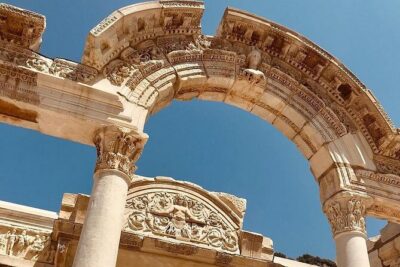 ★ 5.0Ephesus Temple of Artemis and House of Mary Private Half Day TourFrom $151,573 reviews
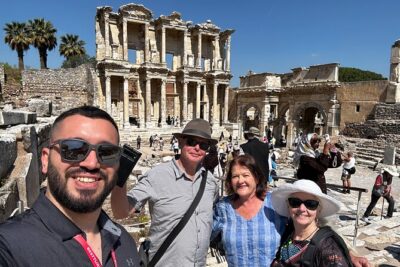 ★ 5.0PRIVATE TOUR FOR CRUISERS: Mary’s House (Meryemana) and EphesusFrom $291,349 reviews
 ★ 5.0Top-Rated: Ephesus & Artemis Tour for Cruisers WITH ENTRY TICKETSFrom $201,184 reviews
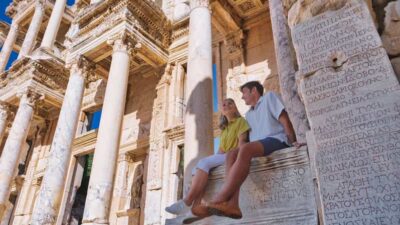 ★ 4.8Ephesus: Small Group Tour for Cruise PassengersFrom $291,100 reviews