

REVIEW · TURKISH COOKING CLASSES AND FOOD TOURS
Farmers Market visit & Turkish Cooking Class
Your lunch starts at the market. I love how this day begins with local ingredient shopping and tastings, then turns into real cooking instruction from Chef Asli. I also like the small-group size, since you get more attention while learning techniques you can actually repeat later at home.
The main thing to consider is the time spent driving, especially if your pickup is outside central Bodrum. And while you can join in, the experience can still include plenty of watching and explaining, not nonstop chopping for everyone the entire day.
In This Review
- Key highlights worth planning around
- Bodrum farmers market stop: where the flavors start
- The Aegean meze plan: what you’ll cook (and what you’ll eat)
- Cooking with Chef Asli: hands-on or watch, your choice
- Lunch at the table: more than food, it’s family-style culture
- Where the cooking happens: vineyard views and a calmer pace
- Price and value: is $144.82 worth it?
- Practical logistics in Bodrum: pickup, market location changes, and timing
- What about recipes, dietary needs, and vegetarian friendliness?
- Who should book this Bodrum market and cooking day?
- Should you book this Bodrum market and Turkish cooking class?
- FAQ
- How long is the Farmers Market visit and Turkish Cooking Class in Bodrum?
- Is English available during the tour?
- What is the maximum group size?
- Does the price include pickup?
- What is included in the price?
- What parts of the meal are included, and will you cook dessert?
- What is the cancellation policy?
Key highlights worth planning around

- Farmers market first, then cooking so you understand what goes into your lunch before the stove even heats up
- Small group (max 6) for hands-on guidance and easier questions
- Aegean cooking style with olive oil and fresh herbs as the backbone
- Meze-heavy lunch structure with multiple starters plus one warm phyllo-based dish
- Eat what you make at tables with wine and stories about Turkish cooking traditions
- Recipes provided online (password needed), with printed books sold at the class
More eating routes and more kitchens
- Farmers Market visit & Turkish Cooking Class★ 5.0 · 60 reviews
- Bodrum: Market Visit and Cooking Class★ 4.9 · 41 reviews
Bodrum farmers market stop: where the flavors start

You start the morning at 9:30 am, with pickup offered in Bodrum. The idea is simple and smart: you shop for the ingredients that will show up in your lunch, rather than being brought somewhere after the menu is already locked in.
At the market, you’ll run into the stuff Turkish home cooks rely on. Expect olive varieties, cheeses, herbs, wild seasonal greens, vegetables, and lots of pantry goods like noodles, jams, pickles, and breads. This is the point where the “Turkish food” label becomes specific, because you can see how seasonal produce drives what people actually cook.
One of my favorite parts of a market-first class is the pacing. You get to taste along the way, then you understand why the kitchen focuses on olive oil, herbs, and fresh flavor. Also, markets are where you’ll spot the patterns you can reproduce at home: what looks good at the stall, what herbs are truly common, and what ingredients matter most for the dishes you’ll make.
The Aegean meze plan: what you’ll cook (and what you’ll eat)
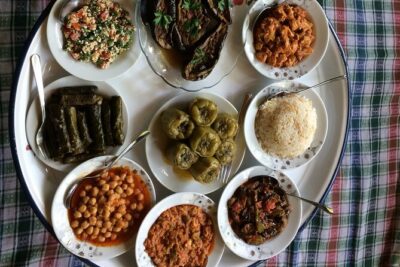
Your lunch is built like a Turkish meal, not a single dish-and-done event. The cooking portion centers on multiple courses, including four cold starters plus one warm entrée, then a main course and dessert served at the end.
Here’s the sample menu structure you can expect in your session:
- Starter: 5 meze selected based on season and what the market brings in
- Starter: a hot phyllo dish (fried or baked depending on what’s chosen)
- Main: a main course decided as part of the class
- Dessert: served at the end, but not cooked during class
In practice, that meze focus is what makes the experience feel complete. You’re not just learning technique for one recipe, you’re learning how Turks build a spread. And meze is a great way to understand flavor layering, because many starters are built from the same core ingredients, then adjusted through herbs, acidity, olive oil, and seasoning.
You’ll likely hear guidance on practical details that matter at home, not just “how to cook.” One example from the class vibe: you may get tips like grating tomatoes instead of chopping, since texture changes how sauces and mixtures behave. That kind of tweak is small, but it makes a big difference once you’re back in your own kitchen.
Cooking with Chef Asli: hands-on or watch, your choice
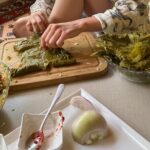
The class runs in a small-group setup, and the format gives you options. You can watch cooking sessions while sipping a glass of wine, or you can join in for a hands-on role if you’d rather get your hands into the meal.
That balance is practical. If you’re the type who learns by watching first, you’ll still get plenty of explanations. If you want to actively cook, you can usually do more than just stand around, especially with a group that stays under 6 people.
Chef Asli is repeatedly described as a real teacher, with an approach that’s easy to follow in English. People mention her experience, her stories around Turkish food traditions, and how she breaks down steps so you don’t feel lost. If you’ve done cooking classes before, this one tends to feel less like a performance and more like a guided session in a functioning kitchen.
Also, don’t expect every plate to be identical to what you pictured in your head. The warm phyllo starter is chosen based on what the day’s ingredients bring. The main course can change too, which keeps the class tied to real local cooking rather than a scripted routine.
Lunch at the table: more than food, it’s family-style culture

After the cooking work, you eat what you helped make. The lunch is served at tables where stories come naturally, usually centered on family cooking traditions and how Turkish cuisine has regional differences.
This is one of the best parts of the day because it’s the payoff loop: market ingredients lead to kitchen work, and then the table confirms whether the flavors clicked. Many meals like this can feel rushed, but the setup here is designed for you to slow down, taste course by course, and actually connect with what you’re eating.
The Aegean angle matters too. The class emphasizes olive oil and fresh herbs as a particular Turkish flavor style. That’s a useful takeaway because it helps you understand how to shop and cook when you’re not in Turkey anymore.
Wine is part of the day’s atmosphere. The experience description talks about sipping a glass during cooking sessions, and people also mention wine with lunch. Just note alcohol is listed as not included, so if you’re counting every euro or dollar, plan accordingly.
- Bodrum: Orak Island Boat Trip with Lunch & Optional Transfer
★ 4.4 · 188 reviews - Bodrum Private Gulet Tour with Lunch
★ 5.0 · 161 reviews - Orakadasi Boat Tour From Bodrum (Maldives of Turkey) With Lunch
★ 4.5 · 146 reviews - Private VIP Gulet Boat Tour With Lunch in Bodrum For 6 Hour
★ 5.0 · 131 reviews - From Bodrum: Orak Island Boat Trip with Swim Stops and Lunch
★ 4.4 · 127 reviews
Where the cooking happens: vineyard views and a calmer pace

The cooking and dining location is described as beautiful, with countryside views and a setting that can include a winery atmosphere. One highlight you might enjoy is the outdoor kitchen vibe and the patio views, including sights across the valley and out toward the sea.
That scenery does more than look nice on photos. A countryside setting tends to make the day feel slower and more relaxed, compared to cooking experiences trapped in a city apartment. Plus, being around olive trees and grape vines reinforces the food logic of the day: the cuisine isn’t floating in a vacuum, it’s linked to what grows nearby.
There can be a bit of a “daytrip feel,” though. Even when things are well organized, you should plan for travel between the market and the cooking location. People do call out that it can take longer than you’d guess if you’re not close to the class area.
Price and value: is $144.82 worth it?

At about $144.82 per person for a roughly 6-hour day, this isn’t the cheapest way to get a Turkish meal. But the price lines up with what you’re really buying: transportation, a guided market ingredient hunt, instruction in multiple courses, and a full lunch you eat after cooking.
The value gets stronger if you like food experiences that go beyond eating. This class doesn’t stop at tasting. It adds cooking techniques, recipe support, and the chance to understand regional Aegean style. If you’re the type who cooks at home and wants repeatable methods, the day is built for you.
You also get a small-group ceiling of 6 people. That matters. In big classes, one instructor can only reach so many hands. In a smaller group, you’re more likely to ask questions, get corrections, and feel included at the table.
Two cost caveats to keep in mind:
- Alcoholic beverages are not included in the price listing. Wine might be offered, but don’t assume it’s automatically free.
- There can be off-zone pickup surcharges (the info given is 20.00 euros), so where you start from changes your total value.
Practical logistics in Bodrum: pickup, market location changes, and timing

Meet time is 9:30 am. Pickup is offered, including transfer to off-zone hotels for an extra fee, and the day uses an air-conditioned vehicle.
One thing that affects your schedule is that markets can be in different locations on different days. For example, Milas markets are mentioned for Tuesdays and Saturdays, and those days involve more drive time. Since Bodrum is a peninsula with real distance between neighborhoods, pickup location can easily decide whether your trip feels quick or long.
Plan for a day that feels like “mostly transit plus cooking plus eating,” not just a short stop-and-cook. If you’re staying far from central Bodrum, you’ll likely spend more time on the road. If you’re already near the hub, it tends to feel more manageable.
Bring cash and pay attention to currency exchange if you plan to buy things at the market. A practical tip from the experience: confirm exchange rates before you hand over money, and remember that foreign currency is accepted, but the rate you get can change what you spend.
What about recipes, dietary needs, and vegetarian friendliness?

Recipes are supported. The class provides recipes online, and you can request a password by email. If you prefer paper, printed books may be sold at the class, and the proceeds support a foundation dedicated to helping girls who don’t have the opportunity to go to school.
Dietary needs are also worth asking about directly. You might be able to negotiate allergies, and at least one group reports that everything prepared was vegetable-based, which felt great for vegetarians. Since menu items are chosen with the market and season, flexibility is a real possibility, but you should communicate your needs ahead of time so the team can plan.
One more reality check: depending on how many dishes are being prepared that day and how the group is split between watching and joining in, you may not do every step of every course. That doesn’t mean it’s not worth it. It means you should decide what you want most: technique exposure, hands-on time, or both.
Who should book this Bodrum market and cooking day?
This is a great fit if you want a grounded food day that connects ingredients to technique to a meal. It’s also a strong choice if you enjoy small-group instruction and want to learn regional Aegean Turkish cooking style rather than generic “Turkish food.”
Book it if:
- You love farmers markets and want to understand what’s behind the dishes
- You cook at home and want usable methods, not just a souvenir of a good lunch
- You prefer a slower, family-style meal with stories, wine, and good conversation
You might want to skip or compare if:
- You’re very time-sensitive and don’t want a lot of driving
- You specifically want nonstop hands-on cooking for every dish, with no watching
- You’re expecting a printed recipe book included in the price, since printed books are sold and online access requires a password
Should you book this Bodrum market and Turkish cooking class?
If you’re looking for one “do something memorable” day in Bodrum, this is easy to recommend for food lovers who like authenticity and learning. The structure makes sense: market first, then cooking, then you eat what you made, with a small group that lets the chef actually teach.
The biggest decision for you is not the menu, it’s the logistics. If your hotel pickup is convenient and you’re okay with a half-day that includes real travel time, this becomes excellent value. If you’re staying far out on the peninsula, ask about timing before you commit, and plan your day around the drive.
If you go in with the right mindset, you’ll leave with more than a full stomach. You’ll leave with a clearer sense of how Turkish home cooking works, especially the Aegean flavors powered by olive oil and fresh herbs.
FAQ
How long is the Farmers Market visit and Turkish Cooking Class in Bodrum?
The class is listed as about 6 hours.
Is English available during the tour?
Yes, the tour is offered in English.
What is the maximum group size?
This activity has a maximum of 6 travelers.
Does the price include pickup?
Pickup is offered. Transfer to off-zone hotels is available with a surcharge of 20.00 euros.
What is included in the price?
The included items are an air-conditioned vehicle, lunch, bottled water, and coffee and/or tea.
What parts of the meal are included, and will you cook dessert?
You’ll do cooking for starters and the main course, and dessert is served at the end but is not cooked during the class.
What is the cancellation policy?
You can cancel for a full refund if you cancel at least 24 hours before the experience’s start time. If it’s canceled due to poor weather, you’ll be offered a different date or a full refund. If the minimum traveler requirement isn’t met, you’ll be offered a different experience or a full refund.
More Food Tours and Classes

Recently reviewed in Bodrum



The rest of Turkish Cooking Classes and Food Tours.
 ★ 4.9Istanbul: Turkish Coffee Making and Fortune Telling WorkshopFrom $231,308 reviews
 ★ 4.9Cappadocia: Sand-Brewed Turkish Coffee WorkshopFrom $12745 reviews
 ★ 5.0Turkish Food Night and Rooftop Experience IstanbulFrom $77666 reviews
 ★ 4.9Istanbul: Guided Food Tour with Ferry Ride and TastingsFrom $131600 reviews
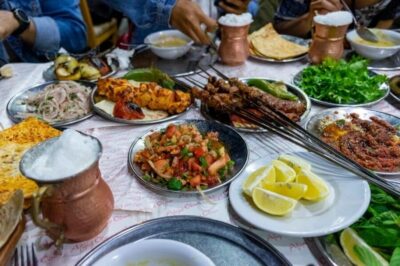 ★ 5.0Istanbul: Turkish Food Night and Rooftop ExperienceFrom $69569 reviews
 ★ 4.9Istanbul: Guided Food and Culture TourFrom $136528 reviews
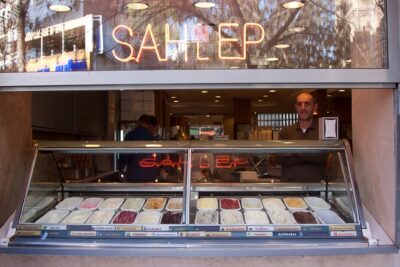 ★ 5.0Two Markets, Two Continents with Culinary BackstreetsFrom $145479 reviews
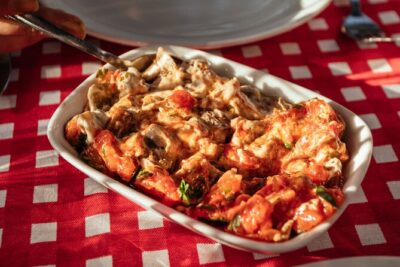 ★ 5.0The Award-Winning PRIVATE Food Tour of Istanbul: The 10 TastingsFrom $192462 reviews