

REVIEW · KONYA, RUMI AND CENTRAL ANATOLIA
In The Footsteps Of Rumi
Konya makes Rumi feel close and human. I love the Mevlâna Museum and Rumi’s tomb under that unmistakable turquoise dome. I also like how guides such as Hayri keep the spiritual story clear and grounded.
I love that this is not just about one famous poet. You meet the people orbiting Rumi, from Shams-i Tabrizi to Ateşbaz-ı Veli, with stops that connect Sufism to everyday life.
One consideration: it’s a 6 to 8 hour day, so you’ll want comfortable shoes and an open mind for religious sites and quiet tomb visits.
In This Review
- Key highlights that matter
- A Rumi day in Konya that feels personal, not museum-only
- Mevlâna Museum and Rumi’s tomb under the turquoise dome
- Alaeddin Hill in Kultur Park and the short stop that adds meaning
- Iplikci Mosque and the memory of Altunaba Madrasah
- Shams-i Tabrizi, the spiritual guide behind Rumi
- The gold bazaar story and the sound that sparked whirling
- Ateşbaz-ı Veli and the Mevlevi kitchen side of the story
- More tomb visits in Kultur Park: Ekmeluddin and Cemel Ali Dede
- How the pacing and included lunch keep the day from dragging
- Guides like Hayri and Fatima are the secret sauce
- Price and value: is $100 per person fair for this Konya day?
- Who should book, and who might want a different style of tour
- Should you book In The Footsteps Of Rumi?
- FAQ
- Where does the tour take place?
- How long is the tour, and when does it run?
- Is pickup offered?
- Is lunch included?
- Is the Mevlâna Museum admission included?
- What else is included in the price besides guiding?
- Is this a private tour?
- Are service animals allowed?
- Can I get a full refund if I cancel?
Key highlights that matter
- Turquoise-domed Mevlâna Museum, with Rumi’s tomb as the anchor of the day
- Shams-i Tabrizi’s tomb and mosque, visited for its big spiritual connection to Rumi
- Gold Bazaar lore, including the story of whirling sparked by the sound of hammers
- Ateşbaz-ı Veli’s turbe, a kitchen-related stop that shows Mevlevi life beyond poetry
- Short Konya culture stops, like Marecel Bahreyn, plus tomb visits tied to Rumi’s circle
- Pro guiding and included lunch, with private transportation to keep your time from slipping
More of the Anatolian interior
- Highlights of Konya★ 5.0 · 69 reviews
- Private Sufi Tour★ 5.0 · 60 reviews
- In The Footsteps Of Rumi★ 5.0 · 35 reviews
A Rumi day in Konya that feels personal, not museum-only
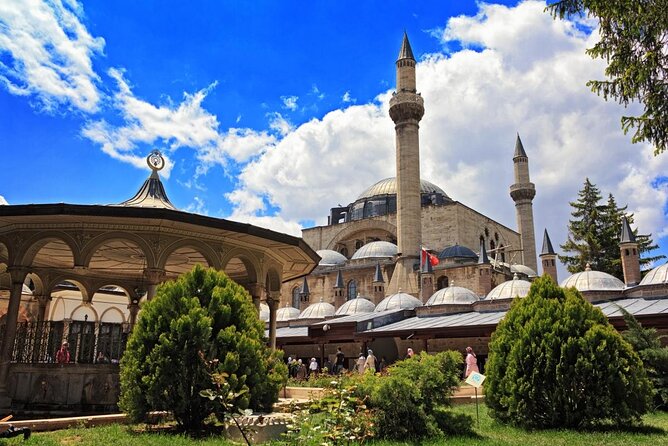
If you like Rumi for the poetry, this tour helps you place that poetry inside a real city. Konya is not trying to be trendy. It’s doing something older: keeping the people and ideas around Rumi very present.
What makes this experience worth your time is the balance. You get the big-name sights, like the Mevlâna Museum, but you also get the supporting cast, the friends, teachers, and caretakers who shaped the Mevlevi tradition. And based on guide feedback I’ve read, people often leave with the feeling that the day had warm, local energy, not just facts on a checklist.
There’s also a practical side. Lunch and private transportation are included, so you can focus on the sites instead of logistics.
Mevlâna Museum and Rumi’s tomb under the turquoise dome
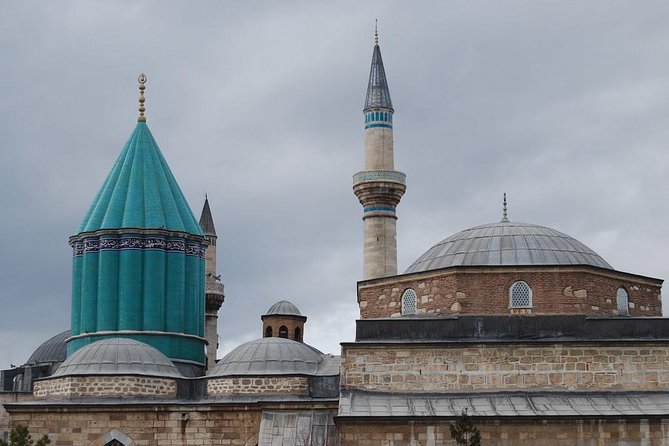
This is the main event, and it starts with the right first impression. The Mevlâna Museum is housed in the former lodge of the whirling dervishes, and it’s famous for that fluted dome of turquoise tiles. Even if you only know Rumi from a single quote, you’ll feel the weight of the place quickly.
You’ll spend about 2 hours here, and admission is included. You also pay respects at Rumi’s tomb, which is the emotional center of the whole tour. For many people, the meaning lands less as a lecture and more as a slow, respectful moment in the middle of a highly symbolic setting.
One tip for getting the most out of this stop: don’t rush it. The museum is the kind of place where details tend to click when you slow down. If you’re the type who likes reading every label, you’ll appreciate the full time block.
Alaeddin Hill in Kultur Park and the short stop that adds meaning
From the museum, you move to Kultur Park Alaeddin Tepesi, with a very quick visit to Marecel Bahreyn, described as the place where the two seas meet. The stop is brief, around 5 minutes, and admission is free.
Even though the time is short, it works well because it interrupts the museum bubble. It’s a way to place Rumi in geography and in spiritual metaphor, not just architecture. If you’re worried that a walking day will feel like nonstop entry fees and rules, a free, quick viewpoint stop is a nice change of pace.
Iplikci Mosque and the memory of Altunaba Madrasah
Next comes İplikci Cami and the area connected to Altunaba madrasah. The mosque dates to 1202, and the madrasah that was once adjacent to it is not still standing, but the connection is part of the storytelling.
This stop is about 15 minutes, and admission is listed as free. It’s not the kind of place where you’ll spend a long time. Instead, it’s a way to see how different pieces of Konya’s Seljuk-era world overlap, and how Rumi’s context includes education and religious life, not just spiritual ideals.
A small practical note: if you visit at the end of a longer day, this is also the kind of stop where you can feel the difference between moving and resting. Use the short duration to reset your pace.
Shams-i Tabrizi, the spiritual guide behind Rumi
Then the tour turns its focus to Shams-i Tabrizi Tomb & Mosque. Shams is described as Rumi’s spiritual guide, inspiration, and companion, so this stop matters. It’s not just a “see another tomb” moment. The whole day gains clarity once you place Shams in the center of Rumi’s story.
The duration for this section isn’t listed as a single number in the schedule, but it is treated as a key stop before heading to the gold bazaar. That sequencing makes sense. You’re meant to understand who Shams was before you hear the legends about Rumi’s transformation and the Mevlevi whirling tradition.
Based on guide praise I’ve seen, this is also a stop where your guide’s tone can change how you experience the site. People mention guides who connect historical context with spiritual meaning in a calm, human way. In particular, guides like Fatima are praised for bringing Rumi alive through a blend of stories and historical facts.
The gold bazaar story and the sound that sparked whirling
After Shams’ tomb, you’ll head to the historical gold bazaar. The tour gives a specific legend here: the story says the gold bazaar is where Rumi first began to whirl after hearing the sound of hammers from apprentices pounding sheets of gold.
You’ll have about 40 minutes at this stop, and admission is listed as free. This is one of the most cinematic parts of the day, even though it’s grounded in a local sensory detail, the rhythm of metal work. It’s also a great example of why this tour goes beyond major monuments. The Mevlevi tradition can feel abstract until you hear how it might have grown from ordinary sounds and routines.
If you like a tour that leaves room for you to look around, this is your window. You can take your time with the market atmosphere without feeling like you’re behind schedule.
Ateşbaz-ı Veli and the Mevlevi kitchen side of the story
One of the most interesting stops here is Ateşbaz-ı Veli Turbesi. Ateşbaz-ı Veli is described as the cook of Rumi, and the tour ties this to Matbah-ı Şerif, the kitchen, which is presented as an important part of Mevlevi dervish houses.
You’ll spend around 30 minutes, and admission is free. This stop is a reminder that religious life is not only about famous words. It also lived in daily service, in food, in roles, and in the community work that keeps a spiritual household running.
This is also where your guide can make a big difference. The tour theme is Sufism, but this stop shows that Sufism is practiced in roles and responsibilities, not only in ideas. A lot of people love tours that teach the “how” behind the spiritual “why,” and this one clearly aims for that.
More tomb visits in Kultur Park: Ekmeluddin and Cemel Ali Dede
The day returns to Kultur Park Alaeddin Tepesi for Tabib Ekmeluddin’s tomb. Ekmeluddin is described as Mevlâna’s doctor and one of the well-known doctors in the 13th century. This is a short stop of about 15 minutes, and admission is free.
Then you go to Meram Baglari for Cemel Ali Dede’s tomb. Cemel Ali Dede is described as Rumi’s nanny and someone who loved and respected Rumi. The name Cemel is explained as meaning camel, connected to entertaining Rumi when he was little by putting him on his back.
This last tomb visit is also about 15 minutes, free admission. It’s a lovely ending choice because it widens the lens. After the museum and the big spiritual figures, you end up with caring figures and support systems that make Rumi’s life feel more human.
If you’re the kind of traveler who likes connecting dots, these two stops do that. They add family, healthcare, and caretaking into the Rumi story, not only saints and teachers.
How the pacing and included lunch keep the day from dragging
This tour runs 6 to 8 hours and includes lunch, plus private transportation and professional guiding. That combination matters more than people think.
Konya is not huge, but tomb visits and museum time add up. If lunch and transport are handled, you spend your energy on the sites, not on finding food or rushing between locations. And because the tour is described as private, it’s just your group, which usually makes timing feel calmer.
You’ll also see a pattern in the stop lengths. The museum gets the longer block, and most other places are shorter. That’s a smart pacing choice for most visitors, especially if you want to feel like you experienced each site rather than speed-running them.
One small reality check: lunch is included, but you’ll still want to plan for personal water and comfort. The day is long enough that you’ll likely appreciate having your own basics, even with lunch provided.
Guides like Hayri and Fatima are the secret sauce
The sites are iconic, but the tour’s standout value comes through the guide. Across the feedback you have here, guides like Hayri, Fatima, Hüseyin, and Belkis are specifically praised for clear English and for making Rumi’s world feel alive.
What I’d pay attention to is the way guides connect themes. People mention both the historical and spiritual context, plus a warm, friendly energy that makes the tour feel like a guided day with a local friend. One guide is even praised for reading Rumi poetry in Arabic, Persian, and English, which is exactly the kind of detail that turns a sightseeing day into an experience with meaning.
So when you book, don’t think of this as an audio-guide style product. This is a human explanation day. If you can communicate your interests early, you’re likely to get a better flow from your guide as the story connects from stop to stop.
Price and value: is $100 per person fair for this Konya day?
At $100 per person, this tour is priced in a way that looks reasonable for a guided, private day with lunch and transportation. The key is that your money isn’t only buying admissions. You’re also paying for professional guiding, private transportation, and all fees and taxes.
To judge value, compare the easy parts:
- You get the museum entry included, and it’s the biggest draw.
- You get lunch included, which saves time and hassle.
- You get transport, so you’re not building your own route between multiple tombs and sites.
The one thing to remember is that tipping is not included. That’s not unusual, but it is a cost to plan for in your budget.
Also note that this is a private tour/activity, and only your group participates. That can make it better value if you’re traveling with friends or family, because the guide time is focused on you.
If you’re trying to lock in a specific day, it’s also useful to know it’s typically booked about 18 days in advance on average. You might find better availability if you arrange earlier rather than waiting.
Who should book, and who might want a different style of tour
This tour is a great fit if you:
- came to Konya for Rumi and want both spiritual context and concrete locations
- like learning the connections between major figures, like Rumi and Shams-i Tabrizi
- enjoy a slower rhythm where tomb visits and small meaningful stops all count
It may be less ideal if you:
- only want a quick highlight circuit and hate longer days
- prefer to wander without guided interpretation
- want major modern attractions, because this is focused on Sufi sites and related historical spots
If you’re curious about Sufism beyond the headlines, this is a strong direction. The schedule is structured around how the Mevlevi tradition is remembered in place names, tombs, and the stories attached to them.
Should you book In The Footsteps Of Rumi?
Book it if you want a thoughtful Konya day with a guide who can explain why each site matters. The day is built around Rumi’s tomb, the Shams-i Tabrizi connection, and legend-linked stops like the gold bazaar whirling story, plus human-detail sites like Ateşbaz-ı Veli.
Skip it if you’re looking for a short, casual walk with no interpretation. This is a structured day with set stops, and the best results come when you’re ready to listen and take your time.
If you want an easy win for a first visit to Konya and you care about understanding Rumi as more than a quote, this one is a strong choice.
FAQ
Where does the tour take place?
The tour takes place in Konya, Turkey, centered on Rumi-related sites.
How long is the tour, and when does it run?
The duration is about 6 to 8 hours. It runs Monday through Sunday, 9:30 AM to 4:30 PM.
Is pickup offered?
Yes, pickup is offered, and private transportation is included.
Is lunch included?
Yes, lunch is included.
Is the Mevlâna Museum admission included?
Yes. Admission to the Mevlâna Museum is included, and the stop is listed as having the admission ticket included.
What else is included in the price besides guiding?
The price includes lunch, private transportation, all fees and taxes, and professional guiding.
Is this a private tour?
Yes. It is a private tour/activity, and only your group participates.
Are service animals allowed?
Yes, service animals are allowed.
Can I get a full refund if I cancel?
Yes. You can cancel up to 24 hours in advance for a full refund. If you cancel less than 24 hours before the start time, the amount paid is not refunded.
More Across Central Anatolia
Recently reviewed in Konya

The rest of Konya, Rumi and Central Anatolia.
 ★ 4.0From Istanbul: Sapanca and Masukiye Day Trip with LunchFrom $291,036 reviews
 ★ 4.4From Istanbul: Sapanca & Maşukiye Full-Day Tour with LunchFrom $22226 reviews
 ★ 4.5Istanbul Whirling Dervish Ceremony, A Mystical Sufi ExperienceFrom $42123 reviews
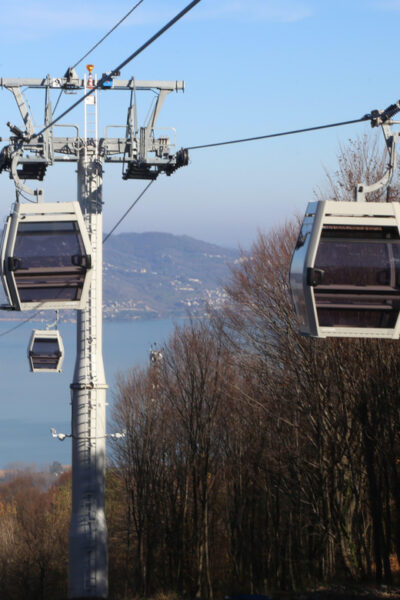 ★ 3.8Istanbul: Sapanca Tour, Cable Car, Quad, & ZiplineFrom $22121 reviews
 ★ 3.4Sapanca Lake and Masukiye Full-Day Tour from IstanbulFrom $2977 reviews
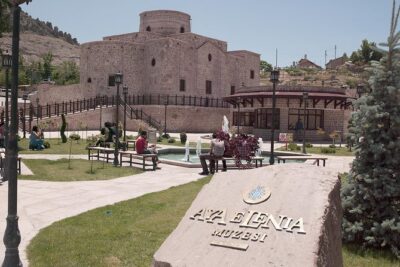 ★ 5.0Highlights of KonyaFrom $10069 reviews
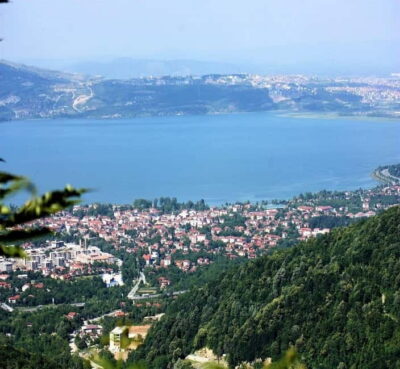 ★ 4.5From Istanbul: Sapanca & Masukiye Tour with LunchFrom $2268 reviews
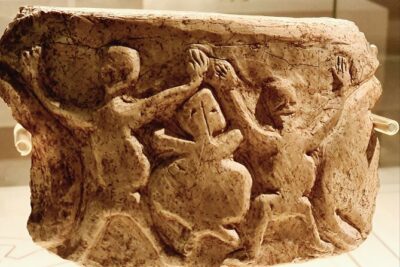 ★ 5.02-Days Private Tour to Gobeklitepe and Karahantepe from IstanbulFrom $2,76062 reviews
Also filed under