
REVIEW · KONYA, RUMI AND CENTRAL ANATOLIA
Private Sufi Tour
Konya’s Sufi story is written in stone. This private full day blends Rumi landmarks with the smaller tombs that explain how the Mevlevi tradition connected people, ideas, and devotion. I especially like the day’s guide-led context, and you’ll likely feel supported from the first pickup to the last stop, though it does move at a steady pace for 7 to 8 hours.
You’ll also get real value for the $100 price, because lunch, professional guiding, private transportation, and fees are handled for you. One standout from past experiences is how the guides bring the philosophy down to earth, and how meetings connected to the Mevlevi order can happen during the day. The main drawback to keep in mind is timing and stamina, since you’ll be going from site to site with moderate walking and several mosque or tomb visits that are short but require patience and focus.
In This Review
- Key highlights to watch for
- How a private Konya Sufi day feels different from DIY
- Hotel pickup, private transport, and how the day is paced
- Stop at Konyanuma Panorama Museum and the 13th-century Konya you can picture
- The Mevlana Museum, Rumi’s tomb, and the turquoise dome
- Shams-i Tabrizi’s tomb and mosque, the relationship behind the teaching
- Alaeddin Mosque, Seljuk roots, and architectural clues you can spot
- Seyh Sadreddin Konevi Turbesi and the people connected to Rumi
- Meram district shrines: Tavusbaba’s ney music and the bridge nearby
- Ateşbaz Veli Tomb, the cook who became a spiritual authority
- Price and value: what $100 covers in Konya
- Who this Konya Sufi tour is best for
- Should you book this private Konya Sufi day?
- FAQ
- FAQ
- How long is the Private Sufi Tour in Konya?
- Is hotel pickup included?
- What’s included in the price?
- Are museum and tomb admission tickets included?
- Is this a private tour?
- Can I cancel for a full refund?
Key highlights to watch for
- Mevlana Museum plus Rumi’s tomb in Turkey’s biggest Sufi center, under that iconic turquoise dome
- Konyanuma Panorama Museum that turns 13th-century Konya into a visual, 3D story
- Shams-i Tabrizi’s tomb and mosque for the spiritual relationship at the heart of the Rumi story
- Alaeddin Mosque and Seljuk-era details that help you understand what came before the Mevlevi fame
- Meram district shrines, including Tavusbaba and the musical tradition tied to the ney
- Ateşbaz Veli’s tomb for a surprisingly human angle on authority in the Mevlevi order
More of the Anatolian interior
- Highlights of Konya★ 5.0 · 69 reviews
- Private Sufi Tour★ 5.0 · 60 reviews
- In The Footsteps Of Rumi★ 5.0 · 35 reviews
How a private Konya Sufi day feels different from DIY
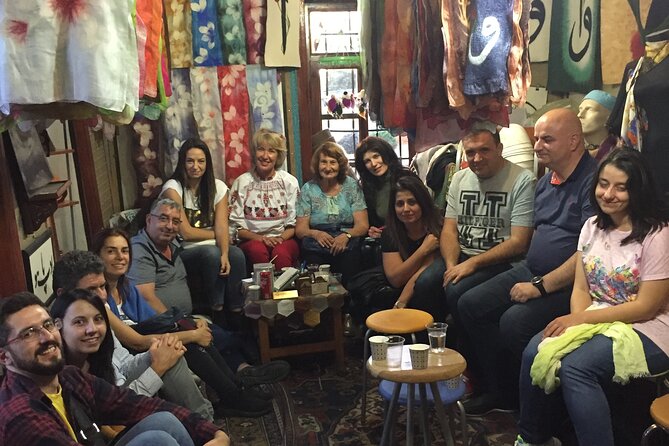
Konya can feel like a list of famous names unless you have someone to translate what you’re seeing. The private format matters here, because you can pace the day around your interests, not around a fixed group rhythm. If you care about the relationships behind the spirituality, this kind of guide-led walking is the difference between seeing buildings and understanding why they matter.
I like that this tour is built like a guided conversation with the city. You start with a visual warm-up, then you move into the major spiritual stop, and only after that do you connect the dots with smaller tombs and mosques. Past participants also talk about guides like Fatima and Mete being engaging and helpful at putting events into historical context, which is exactly what you want when you’re trying to keep 13th-century names straight.
The one caution is that a 7 to 8 hour day is not a sit-and-stare program. You should plan for moderate walking and stand time, especially if you visit several religious sites back to back. Comfortable shoes help, and it helps even more if you keep your expectations realistic, short visits still add up.
Hotel pickup, private transport, and how the day is paced
Your day starts with morning pickup from your hotel, so you do not lose time figuring out local transport or where to meet. Private transportation also makes the route smoother between Konya’s key spiritual sites and the Meram district stops further along the day.
The tour is designed as a full day, roughly 7 to 8 hours, with a mix of longer museum time and shorter tomb or mosque visits. That pacing is useful because it stops you from burning out in one place, but it still gives enough time at the Mevlana Museum to focus without rushing. You will also have a professional guide with you the whole time, which matters because many of the sites make more sense when someone explains the connections.
If you’re traveling with a friend or family group, this being private means it is simply your group. In practice, that tends to lower stress. It also helps with customization, since you can ask to spend a few extra minutes on a detail you care about, then move on.
Stop at Konyanuma Panorama Museum and the 13th-century Konya you can picture
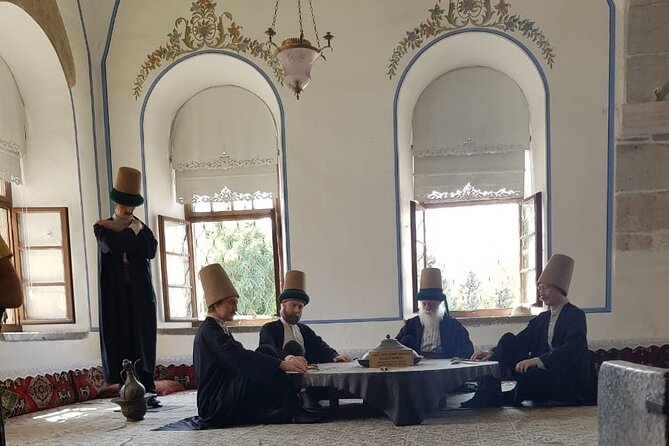
Before you hit Rumi-related sites, you go somewhere that helps your brain switch centuries. Konyanuma Panorama Museum offers a 50-minute look at 13th-century Konya through 3D models and staged scenes, including depictions of Mevlevi lodges across Turkey and other countries. It is not just religious decoration, it is a way to understand how the city and the order lived together.
You also get a guided-feeling tour experience here without the emotional intensity of a tomb room. The museum explains major moments in Mevlana Celaleddin Rumi’s life, using oil paintings and small wax sculptures. For me, that is a smart first stop because it gives you names, time periods, and a sense of scale before you stand in front of the famous resting place.
Practical tip: if you like museum explanations, this is where you’ll see the benefit of your guide most. If you are less patient with museums, treat it as your briefing room, 50 minutes is long enough to set context but short enough to still feel like a warm start.
The Mevlana Museum, Rumi’s tomb, and the turquoise dome
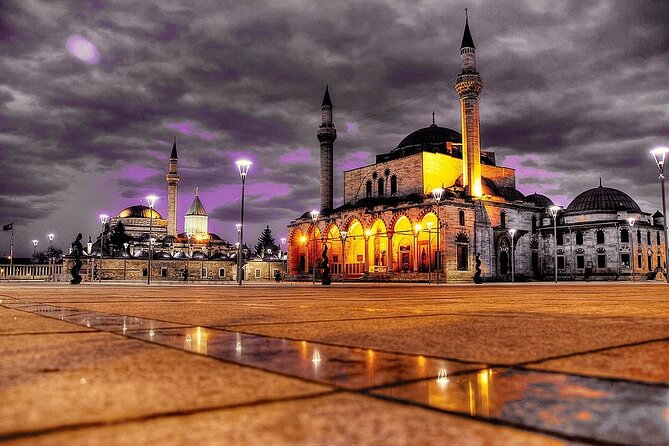
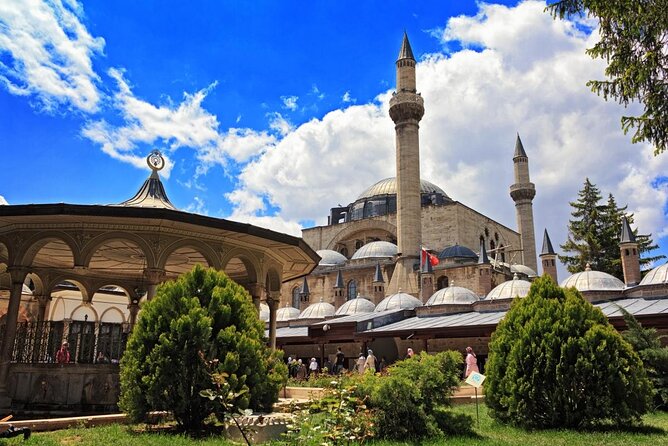
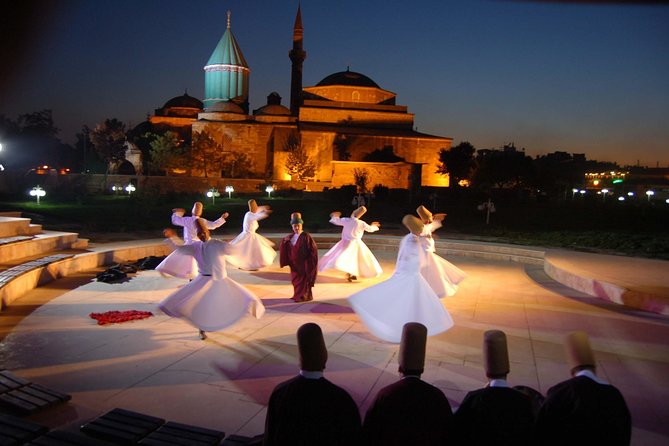
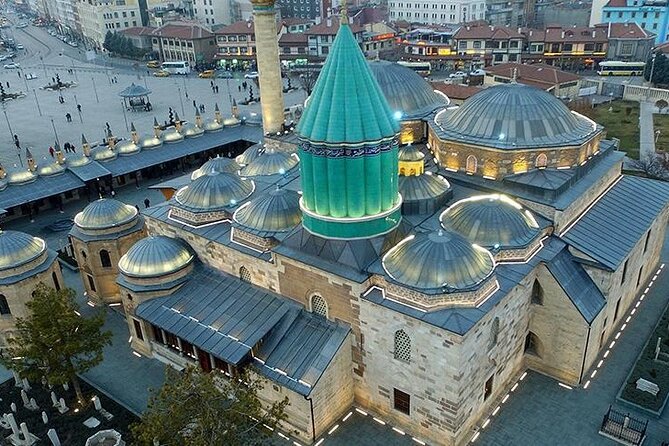
This is the reason most people make Konya part of their Turkey trip. The Mevlana Museum includes the tomb of Mevlana Celaleddin Rumi and the former lodge of the whirling dervishes, and it is widely regarded as the biggest Sufi center in Turkey. Expect about 2 hours here, which is a good chunk of time to absorb the complex story without rushing.
The building itself is a landmark. The fluted dome of turquoise tiles is one of the most distinctive sights in the city, and it’s exactly the kind of visual cue that makes the place feel instantly meaningful. Inside, you’ll be surrounded by the physical presence of the tradition, not just explanations on a screen.
What makes a guide so helpful at this stop is that it’s easy to reduce Rumi to poetry alone. With the right context, you start to see the whole ecosystem: people, spiritual lineages, practices, and the way Konya became a home base for the Mevlevi world. Past experiences also highlight how guides helped bring the complexities of Sufi philosophy and practice to life across the day, and the Mevlana Museum is where that pays off.
Practical tip: plan your attention. Spend a few minutes first just taking in the architecture, then let the guide’s stories anchor your understanding. If you try to do everything at once, the day gets faster and your notes get thinner.
Shams-i Tabrizi’s tomb and mosque, the relationship behind the teaching
After the main Rumi stop, you move to the emotional hinge of the story: Shams-i Tabrizi. His tomb and mosque visit takes about 15 minutes, and it’s free admission, but it is not a throwaway stop. Shams is described as the spiritual guide, inspiration, and companion of Rumi, which is the kind of relationship that helps you interpret what you think you already know.
Short visits can feel rushed unless you know why you’re there. Here, the value is focus. You are not trying to read everything, you are connecting one person’s role to the larger spiritual journey.
If you’ve heard Rumi’s name as a poet, this stop helps you remember he was also part of a living circle of relationships and teachings. Your guide’s stories are key, because the tomb is only one piece of the meaning.
Alaeddin Mosque, Seljuk roots, and architectural clues you can spot
Next comes Alaeddin Mosque, a stop designed to show you what came before the later Mevlevi fame. It takes about 30 minutes and has no admission fee. This mosque is associated with prayers by Mevlana Celaleddin Rumi and other important Sufis, including Muhiddin-i Ibni Arabi.
Alaeddin Mosque is also one of the oldest mosque structures in Turkey, constructed by the Seljuk Sultans of Rum between 1116 and 1220. Look for architectural features like columns of different sizes, since those are the kind of details that turn a building into a time capsule. The Seljuk Palace built during Sultan Kılıçarslan II’s reign (1156 to 1192) is also part of the broader complex context you can learn from your guide.
This stop is a good “slow down and notice” moment. If you’ve been thinking only about Sufi names, this mosque helps you connect spirituality to the specific era and political culture that shaped the physical city.
Seyh Sadreddin Konevi Turbesi and the people connected to Rumi
You then visit Seyh Sadreddin Konevi Turbesi, around 30 minutes, also free. Sadreddin Konevi was a respected scholar associated with the Anatolian Seljuks, and he is described as the stepson of Muhyiddin-i Ibni Arabi. The relationship web matters in Sufi storytelling, and this tomb visit is one more thread in that pattern.
Your guide also explains how Sadreddin Konevi and Mevlana Celaleddin Rumi shared closeness, with Mevlana requesting that Konevi perform the funeral prayer. That small detail makes the site feel less like a postcard stop and more like a living network of respect.
If you’re the kind of traveler who likes names, links, and timelines, this is where you’ll feel satisfaction. It’s not just a spiritual stop, it is a human one.
Meram district shrines: Tavusbaba’s ney music and the bridge nearby
Meram district is where the day expands beyond the main Rumi focus. At Seyh Tavusbaba Turbesi ve Camii, the visit runs about 1 hour and is free. You’ll see a historical bridge, a Seljuk-era mosque, and near it the tomb of Tavusbaba.
Here’s the story that makes the stop memorable. Tavusbaba is described as a fan of Rumi who came from India to Konya to see him. He was busy with music, especially playing the ney, a reed flute associated with spiritual settings. It’s also noted that Rumi and his followers often came to listen and feel divine love.
I like how this shifts the emphasis from texts and tombs into sensory experience, sound and attention. Even if you do not hear an instrument during the visit, your guide can translate why the ney matters in the Mevlevi world. It’s a reminder that Sufism is often practiced through the full body and mind, not just through reading.
If you’re short on energy, this is still doable because it’s long enough to let you regroup. The trick is to stay with the story your guide gives you rather than trying to photograph every stone.
Ateşbaz Veli Tomb, the cook who became a spiritual authority
Your final emotional note comes with Ateşbaz Veli Tomb, about 20 minutes and free. Atesbaz-ı Veli is described as the cook of Mevlana Celaleddin Rumi, and he is also presented as an important authority in the Mevlevi order.
This is one of those details that makes the whole tradition feel more human. When a guide tells you that someone known for everyday service held spiritual authority, it changes how you view hierarchy. It’s not only scholars and poets, it’s also the people who kept the order functioning day to day.
The value of a short stop like this is exactly that it provides contrast. After museums, major tombs, and mosque architecture, the Ateşbaz Veli moment brings you back to daily life and devotion as a practice.
Price and value: what $100 covers in Konya
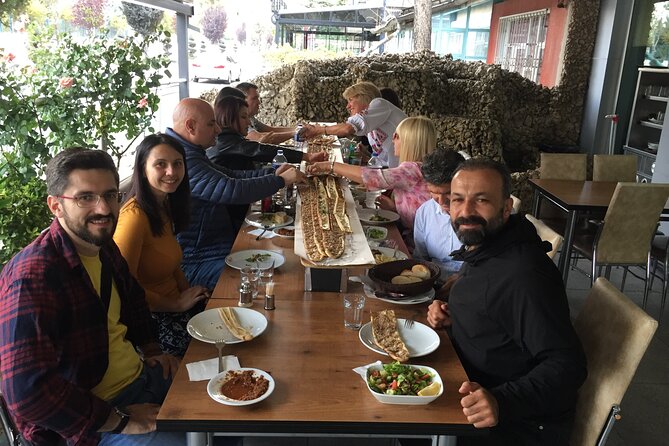
At $100 per person, this tour can be an excellent deal when you compare what you get. You are not just paying for someone to drive you around. You also get lunch, private transportation, professional guiding, and all fees and taxes. Admissions for key stops are included, including places like the Konyanuma Panorama Museum and the Mevlana Museum.
The only thing you should plan for outside the package is tips for the guide and driver, since tips are not included. If you do not usually tip, it is still worth budgeting a small amount because the guide is doing real work, connecting names, places, and meaning all day.
Also, because this is private, your money goes to attention and pacing. You can ask questions and you can choose where you want a little more time. In places like Konya, that matters because the sites are dense with references, and it is easy to get lost if you go solo.
One more value factor: the tour is built around your interest in Sufi landmarks. If you want a broad cultural day with no single theme, this might feel too focused. If you want that theme done properly, it is strong value.
Who this Konya Sufi tour is best for
This is ideal if you want a guided Sufi day focused on the Mevlevi tradition and the major related figures. It also works well for first-timers in Konya because you cover the key places in one organized run.
It suits readers who care about context more than checklists. Past experiences emphasize how guides put complex ideas into real-world explanations, and how the day can turn philosophy into something you can follow hour by hour. If you like when a guide helps you understand why two sites connect, you’ll probably love the structure.
It is also a good fit for couples or small groups who want privacy and less friction. Since it is your group only, you can keep the pace comfortable, ask questions, and avoid the feeling of being shuffled.
If you have mobility limits, keep the moderate physical fitness note in mind. Even though several stops are brief, the total day still requires staying on your feet during transport and site time.
Should you book this private Konya Sufi day?
If you’re spending limited time in Konya and you want the Sufi story handled with care, I think this is an easy yes. The biggest win is the mix of major landmarks and the supporting tombs and mosques that explain relationships, not just fame. Add in lunch, admissions for the key stops, private transport, and a guide who tells the day like a coherent story, and the $100 starts to look like practical value rather than a splurge.
Skip it if you want a relaxed, meandering day with no strong structure. Also, if you find museum time tiring, the Konyanuma Panorama Museum plus the Mevlana Museum may feel like more indoor time than you want. But if you’re there for meaning, Konya rewards you, and this tour is built to help you actually get that meaning.
FAQ
FAQ
How long is the Private Sufi Tour in Konya?
The tour lasts about 7 to 8 hours.
Is hotel pickup included?
Yes, pickup is offered, and the tour includes private transportation.
What’s included in the price?
Lunch, private transportation, all fees and taxes, and professional guiding are included.
Are museum and tomb admission tickets included?
Admissions are included for stops like Konyanuma Panorama Museum and Mevlana Museum. Some other tombs and mosques are listed as free admission.
Is this a private tour?
Yes. It is private, so only your group participates.
Can I cancel for a full refund?
Yes. You can cancel for free, and you can cancel up to 24 hours in advance for a full refund. If you cancel less than 24 hours before the start time, the amount paid is not refunded.
More Across Central Anatolia

Recently reviewed in Konya

The rest of Konya, Rumi and Central Anatolia.
 ★ 4.0From Istanbul: Sapanca and Masukiye Day Trip with LunchFrom $291,036 reviews
 ★ 4.4From Istanbul: Sapanca & Maşukiye Full-Day Tour with LunchFrom $22226 reviews
 ★ 4.5Istanbul Whirling Dervish Ceremony, A Mystical Sufi ExperienceFrom $42123 reviews
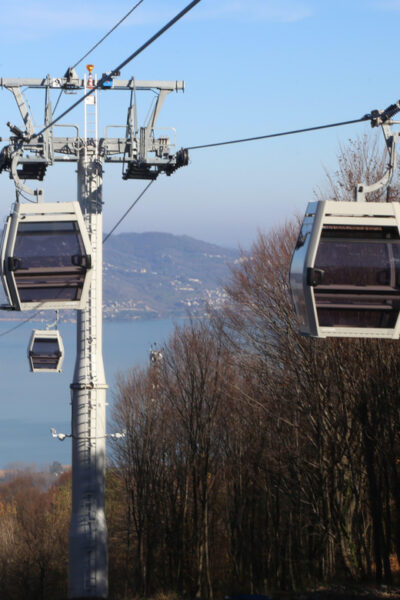 ★ 3.8Istanbul: Sapanca Tour, Cable Car, Quad, & ZiplineFrom $22121 reviews
 ★ 3.4Sapanca Lake and Masukiye Full-Day Tour from IstanbulFrom $2977 reviews
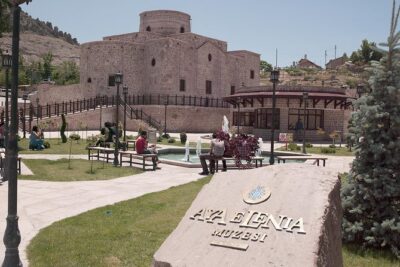 ★ 5.0Highlights of KonyaFrom $10069 reviews
 ★ 4.5From Istanbul: Sapanca & Masukiye Tour with LunchFrom $2268 reviews
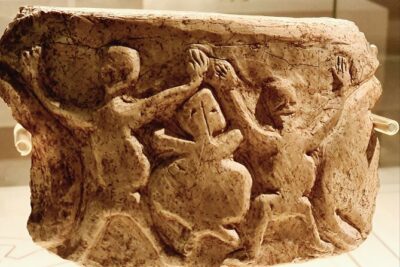 ★ 5.02-Days Private Tour to Gobeklitepe and Karahantepe from IstanbulFrom $2,76062 reviews
Also filed under